Get our mobile app
Download on the App StoreGet it on Google Play

Europe's looting wave

Stolen iPhones became tracking devices

They broke into Apple stores and grabbed expensive devices, but shortly after, a message appeared on the screens making clear the loot could lead straight back to them

Looters in France Stunned: Stolen IPhones Turned Into Tracking Devices

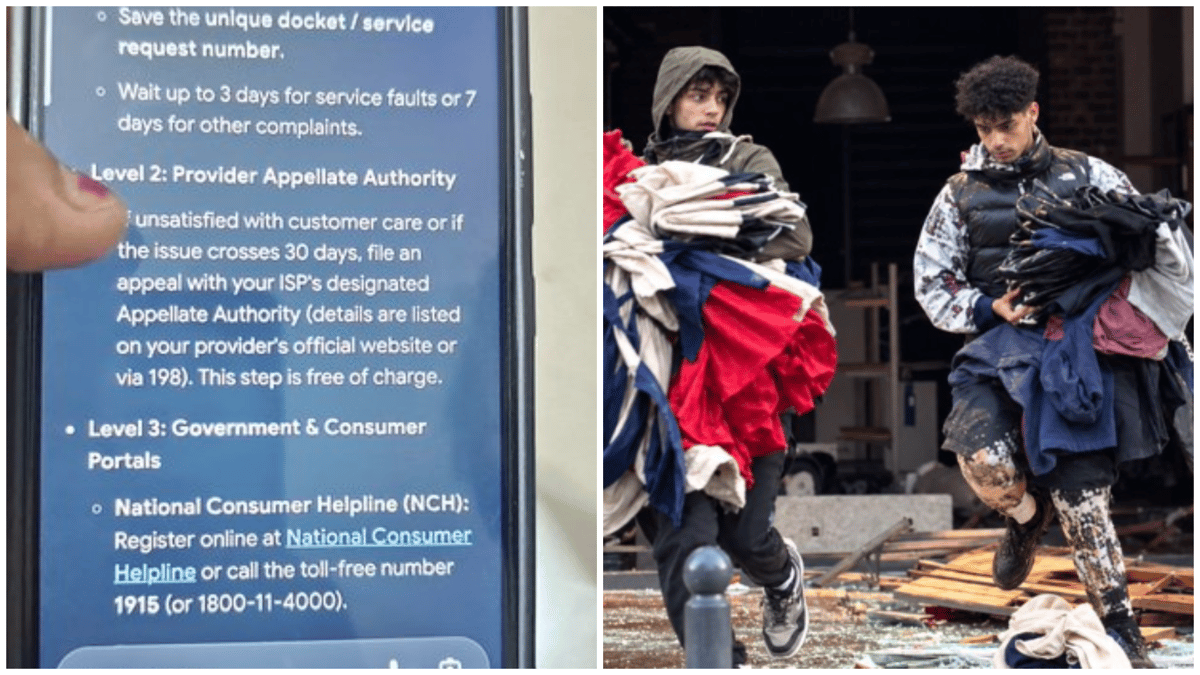
The wave of looting that hit France during the riots on October 17 left behind broken storefronts, shattered windows and stolen merchandise. Among the businesses hit were Apple stores, where iPhones, iPads and Mac computers were taken. But some of the phones stolen from the stores later displayed an unusual message: the device has been disabled and is being tracked.

In footage circulated on social media, an iPhone screen shows a message asking that the device be returned to the Apple store in Lille, France. The message states that the device has been disabled, that its location is being tracked, and that authorities will receive an alert. The documentation drew attention online, particularly because the devices stolen, presumably to be used by the looters or resold, could become completely unusable.

According to reports in France, Apple stores in Lille and Bordeaux were hit during the unrest. Stores belonging to telecom companies and other electronics chains were also looted. The telecom company Bouygues Telecom reported damage to 19 of its stores, four of which required extensive restoration, while SFR reported around 15 stores affected.


Pure chaos in Italy
Pure chaos in Italy (Photo: social media)

Behind the shutdown is a security system Apple operates on display devices in its stores. These devices do not necessarily function like an iPhone purchased for personal use: they are configured so that certain security settings cannot be changed and they cannot be freely connected to a personal account. When they leave the store environment, they can be locked and a message displayed on the screen instructing whoever holds them to return them.

That is not the only tool available to the companies. Every mobile phone has a unique identification number called an IMEI, through which the device can be identified on cellular networks. After a theft is reported, the number can be added to blocking lists, preventing the device from connecting to cellular networks. In appropriate cases, it is also possible to request its location as part of a police investigation.

Ready for more?

Join our newsletter to receive updates on new articles and exclusive content.

We respect your privacy and will never share your information.

Enjoyed this article?

Yes
No
Follow Us:

Unmissable content


Loading comments...

Also of Interest