
The United States is celebrating its 250th anniversary, marking two and a half centuries since the signing of the Declaration of Independence in 1776. To commemorate this semiquincentennial milestone, here are 25 fascinating facts that define the history, geography, and culture of the nation.
Happy 250th Birthday
25 Wild and Surprising Facts About America as It Turns 250
From historic anomalies to cultural staples, a look at the numbers and narratives that shape America on its landmark anniversary.

The Foundations of the Nation
- The Declaration’s Real Date: While Americans celebrate Independence Day on July 4th, the Continental Congress actually voted to separate from Great Britain on July 2nd, 1776. The written document was approved on the 4th.
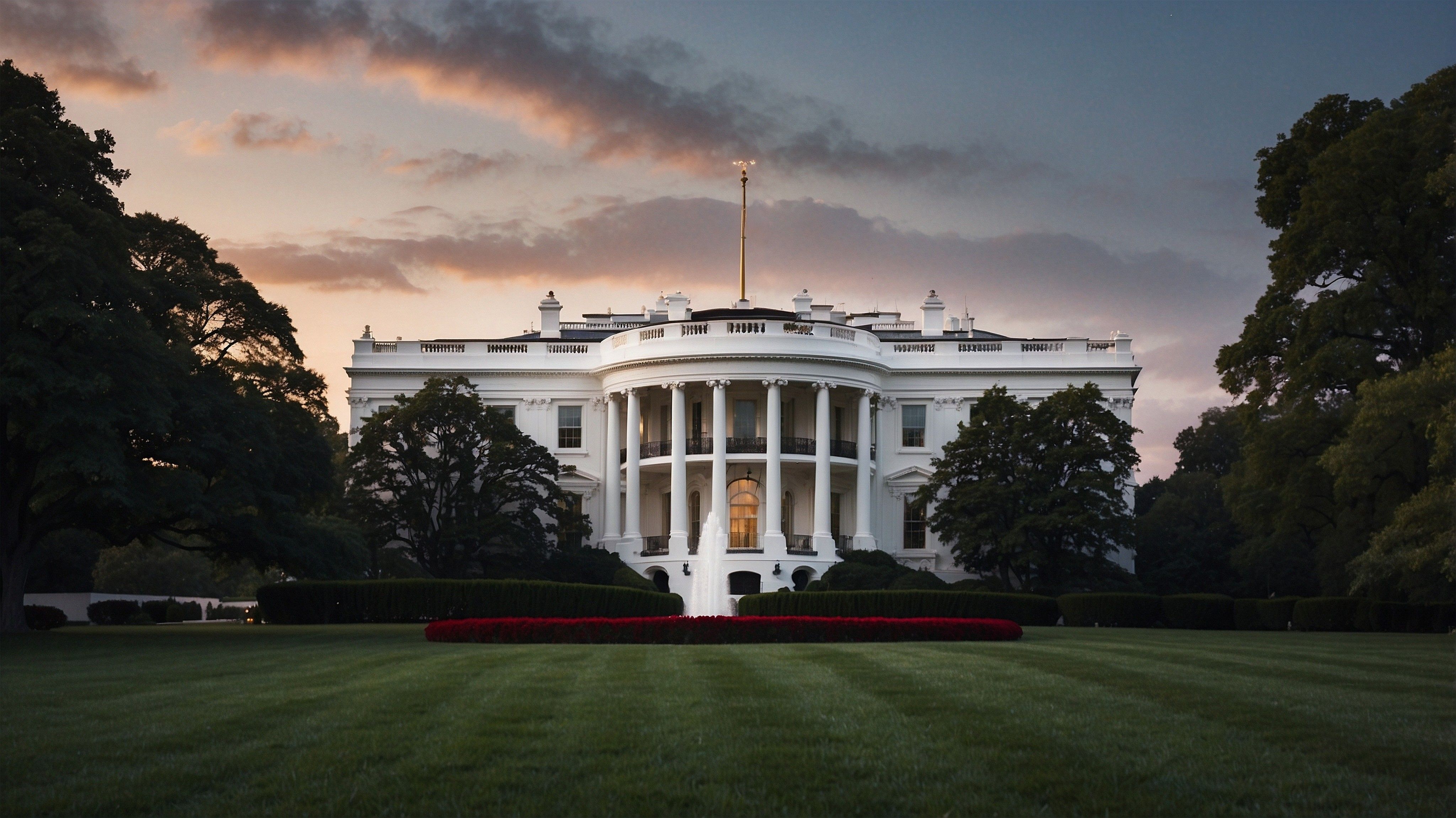
- The Capital's Move: Washington, D.C. wasn't the first capital. The federal government was previously housed in Philadelphia, New York City, and several other cities before settling permanently along the Potomac River.
- The Shortest-Lived State: The State of Franklin existed for just over four years in the 1780s. It attempted to break away from North Carolina but failed to achieve official recognition, eventually becoming part of Tennessee.
- The Oldest Constitution: The U.S. Constitution, written in 1787, is the world's oldest governing constitutional document still in active use today.
- A Changing Flag: The American flag has been officially modified 27 times as new states joined the Union. The current 50-star version was introduced in 1960 after Hawaii achieved statehood.
Geography and Landmarks
- The Tallest Peak: While Mount Denali in Alaska is the highest mountain peak in North America, Hawaii's Mauna Kea is technically the tallest mountain in the world when measured from its underwater base to its peak.
- The Mammoth Cave: Kentucky is home to Mammoth Cave National Park, which features the world’s longest known cave system, spanning over 400 miles of explored passageways.
- The Gateway to the West: The Gateway Arch in St. Louis, Missouri, stands at 630 feet, making it the tallest man-made monument in the United States.
- Four Corners: The U.S. features a unique geographic intersection known as the Four Corners, where the boundaries of Arizona, Utah, Colorado, and New Mexico meet at a single point.
- The Purchasing of Alaska: The United States purchased Alaska from the Russian Empire in 1867 for $7.2 million, amounting to roughly two cents per acre.

Population and Culture
- No Official Language: The United States does not have an officially declared national language at the federal level, though English is the de facto language and Spanish is widely spoken.
- The Birthplace of Jazz: The music genre of Jazz originated in New Orleans, Louisiana, in the late 19th and early 20th centuries, blending African, Caribbean, and European musical traditions.
- A Nation of Moviegoers: Hollywood, California, remains the historic heart of the global film industry, shaping international pop culture for over a century.
- The Global Influence of Fast Food: The modern fast-food industry was pioneered in the U.S., with brands like McDonald's and Kentucky Fried Chicken expanding into global empires.
- The Melting Pot: Nearly 14% of the current U.S. population was born outside the country, reflecting the nation's historical identity as a land of immigrants.

Science, Innovation, and Economy
- The First Flight: Orville and Wilbur Wright made the world's first controlled, sustained flight of a powered, heavier-than-air aircraft in Kitty Hawk, North Carolina, in 1903.
- The Internet's Roots: The internet began as ARPANET, a project funded by the U.S. Department of Defense in the late 1960s before evolving into the global network used today.
- Walking on the Moon: The U.S. remains the only country to have successfully landed humans on the Moon for the firts time in history, a goal first achieved by the Apollo 11 mission in 1969.
- The World’s Largest Economy: The United States possesses the world's largest economy by nominal GDP, driven by high productivity, technological innovation, and vast natural resources.
- The Innovation Hub: Silicon Valley in California is globally recognized as the leading hub for high-tech innovation, venture capital, and social media enterprises.
Quirks and Anomalies
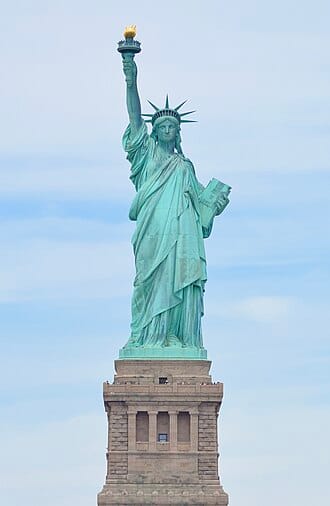
- The Statue of Liberty’s Origin: The Statue of Liberty was a gift from the people of France to the United States to celebrate the success of American democracy.
- The Origin of "Uncle Sam": The famous national personification "Uncle Sam" is believed to have originated from Samuel Wilson, a meat packer from New York who supplied barrels of beef to the United States Army during the War of 1812.
- The Bourbon Standard: Bourbon whiskey is recognized by Congress as a "distinctive product of the United States," meaning it must be produced within the country to legally hold the name.
- The Massive Grid: The U.S. highway system covers over 4 million miles of public roads, enough to circle the globe more than 160 times.
- The Super Bowl Phenomenon: The annual NFL Super Bowl has evolved beyond sports into a cultural phenomenon, regularly ranking as the most-watched television broadcast in the country.

A Concluding Reflection
While a landmark 250th anniversary arguably warrants a much more exhaustive list of historical milestones, the current American political climate suggests a different priority.
In the current era of the Trump administration, characterized by relentless news cycles and political polarization, many observers and citizens might agree that instead of another 100 facts, the nation could most benefit from something far rarer: a hundred days of peace and tranquility.