A senior Israeli military officer has revealed that the IDF has uncovered dozens of Hamas plans for mass raids targeting Jewish communities inside Judea and Samaria, in remarks first reported by Walla News that underscore growing concern within the defense establishment over the region's security. The officer said the army knows precisely what the enemy is thinking because it has recovered dozens of these detailed raid plans.
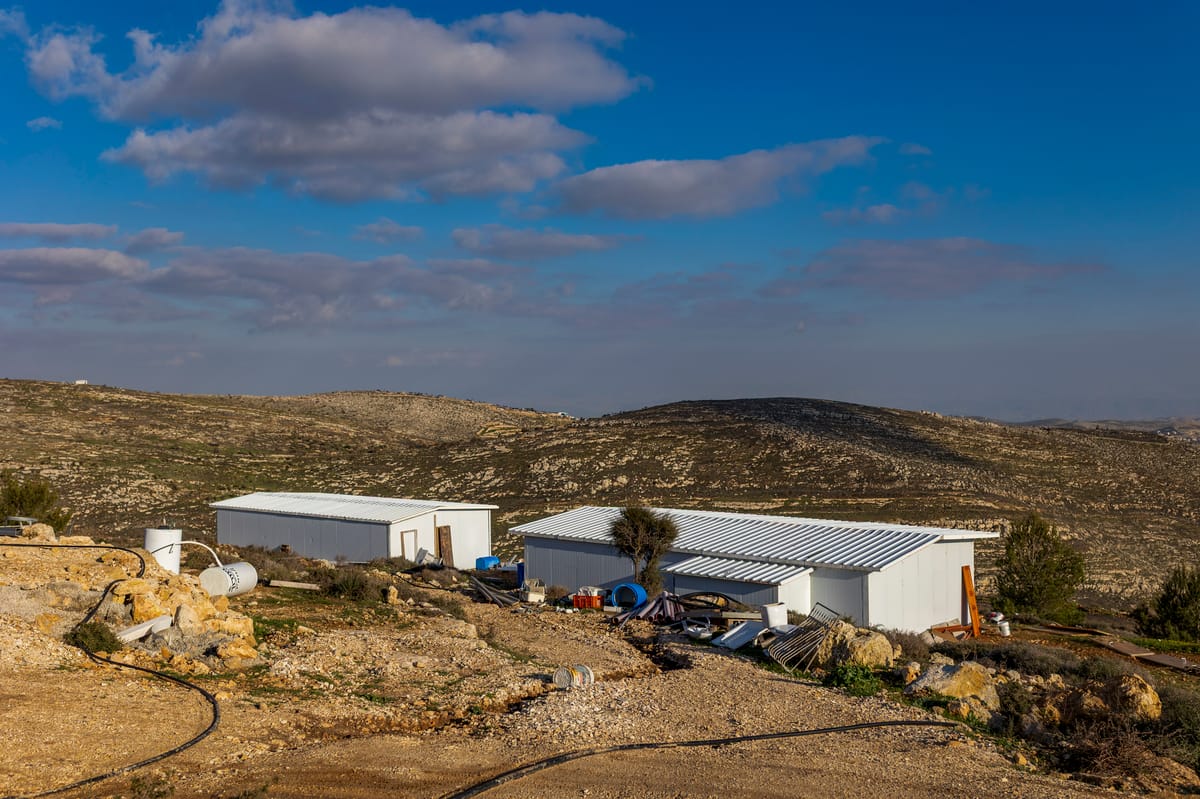
The Judea and Samaria sector is now seen inside the defense establishment as the most tense and dangerous front in the country, with officials preparing for extreme scenarios. The Defense Ministry has been working intensively in recent months to strengthen security infrastructure across communities in the region, an effort that includes expanding local emergency response squads, deploying advanced technological surveillance tools, and building and maintaining protective fences and barriers.
Alongside these physical defenses, the IDF has been building and rehearsing early warning models designed to handle sudden, fast moving attacks, and has significantly increased the availability of ground and air forces in the sector to ensure an immediate response to any threat.
The senior officer detailed the scope of aerial readiness in the sector, saying the air force is familiar with hundreds of potential targets and can strike them on short notice specifically to prevent a mass raid on Israeli communities. The central concern driving this posture stems from troubling intelligence the military has gathered. The officer noted that some communities sit in close proximity to Palestinian population centers, citing Psagot near Ramallah as one example, while others are more isolated. He said the army has a clear picture of enemy intentions specifically because of the raid plans that have been recovered.
According to a separate, more detailed report from Walla News, brigade commanders in the IDF's Judea and Samaria Division, headed by Brig. Gen. Kobi Heller, are actively rehearsing both in planning sessions and in the field for a scenario involving a terrorist raid or a mass Palestinian surge toward Israeli communities. One officer in Central Command described the scenario as a realistic possible course of action. The security burden on the IDF has grown since a government decision established 103 additional communities in the region, not including dozens of individual farms or the illegal outposts that continue to pose a significant challenge for Israeli forces and may increase further.
The report describes a force structure in the sector that has grown to 24 battalions, and notes that Palestinian terror commands operating out of Iran, Turkey, Lebanon, Qatar and elsewhere are working directly to advance attacks and build infrastructure throughout Judea and Samaria, and from there into the heart of Israel. The senior officer described this phenomenon as "foreign direction," saying large sums of digital currency are flowing into the region in an effort to fund major attacks similar to the shooting attack in Jaffa on October 1, in which two Palestinian gunmen killed seven people and wounded fifteen, and a planned bus bombing attack in Bat Yam by a terrorist from Nablus that was ultimately foiled before it could be carried out.
The officer emphasized close coordination between the IDF and Israel Police aimed at expanding the operational response on the ground, and identified the Wadi Ara area, including Umm al Fahm, the Triangle region and Kafr Qasim, as well as East Jerusalem, as primary sources of threats capable of producing significant attacks in the seam zone and potentially beyond it into Judea and Samaria itself. One of the overarching goals during an unfolding attack is rapidly assembling a complete picture of the situation on the ground, a lesson drawn from a previous incident in which an armed terrorist from Tayibe moved quickly between multiple scenes before being neutralized.