One of the most ambitious and heavily funded military aviation initiatives in modern European history has reached a dramatic and permanent end. During a bilateral leadership summit convened in Montenegro, German Chancellor Friedrich Merz and French President Emmanuel Macron officially announced the complete termination of the Future Combat Air System, or FCAS. The decision to completely scrap the massive project was made after both heads of state concluded that the deep operational and ideological differences separating their defense departments could no longer be bridged by diplomatic compromise.
The joint initiative, which carried an estimated development cost of approximately one hundred sixteen billion dollars, was designed to produce a highly advanced sixth generation stealth fighter jet to secure European aerial dominance for the next half century. The overarching framework extended far beyond a singular aircraft, incorporating an entire network of semi autonomous drone escorts and an integrated digital combat cloud capable of coordinating real time battlefield data. Launched originally in 2017, the primary objective of the program was to provide the continent with absolute strategic independence from the United States while building a robust defense against rising military threats from Russia and China.
However, the multi billion dollar project ultimately collapsed under the weight of protracted industrial power struggles, bitter disagreements over technological intellectual property, and deeply flawed management structures divided between aerospace giants Airbus and Dassault Aviation. Leading military journals had repeatedly warned that the operational requirements of the two sponsoring nations were fundamentally incompatible. The cracks in the alliance became impossible to ignore as domestic politicians began openly questioning the immense financial burdens of the program during a period of widespread fiscal constraints.
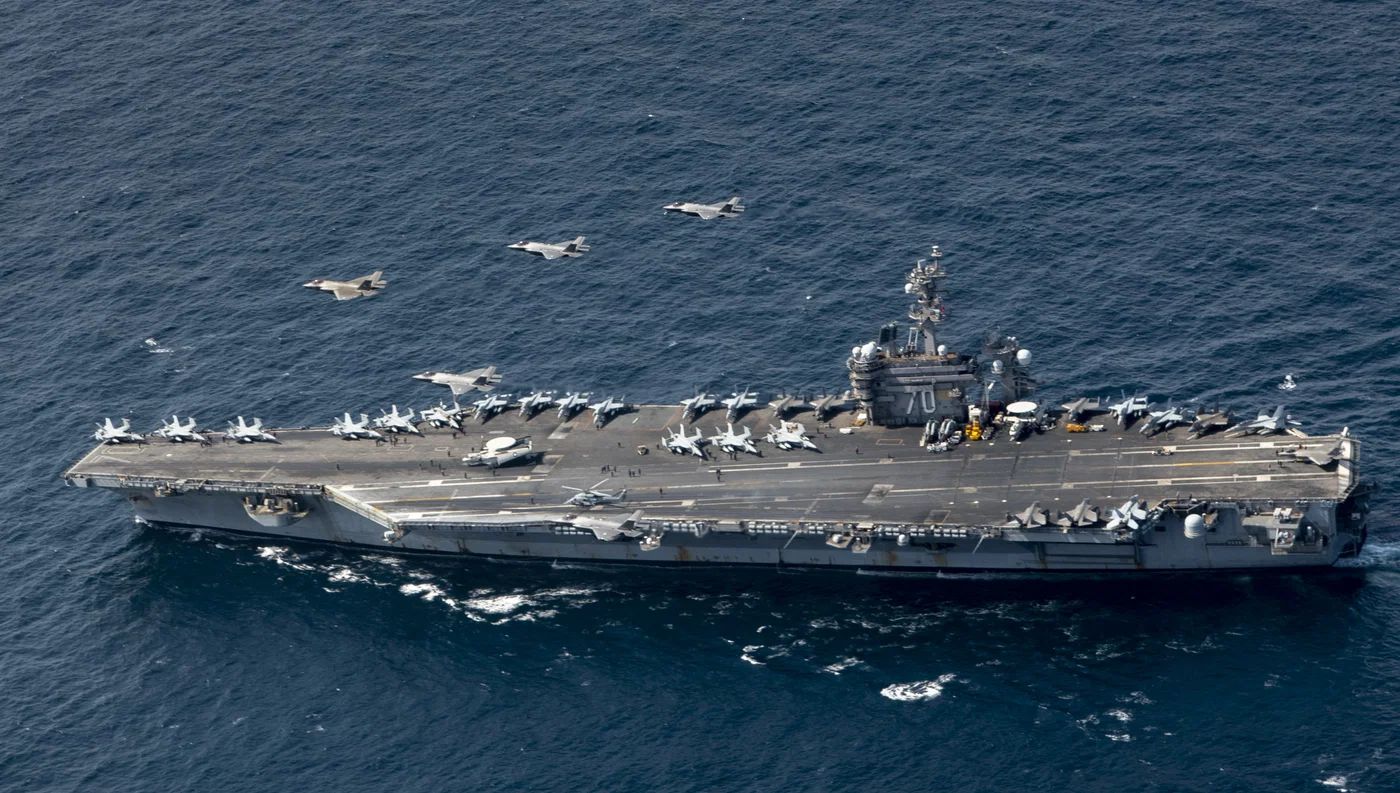
Chancellor Merz expressed severe skepticism regarding the core strategic value of the aircraft for the German military, launching sharp criticisms against the specific operational demands imposed by French planners. Paris had unyieldingly insisted that the future fighter jet must be fully optimized for deployment from naval aircraft carriers and capable of carrying French manufactured nuclear payloads. Germany, which lacks a carrier fleet and maintains a different strategic doctrine, viewed these specialized requirements as an unnecessary diversion of national resources that complicated the basic software and hardware architecture of the platform.
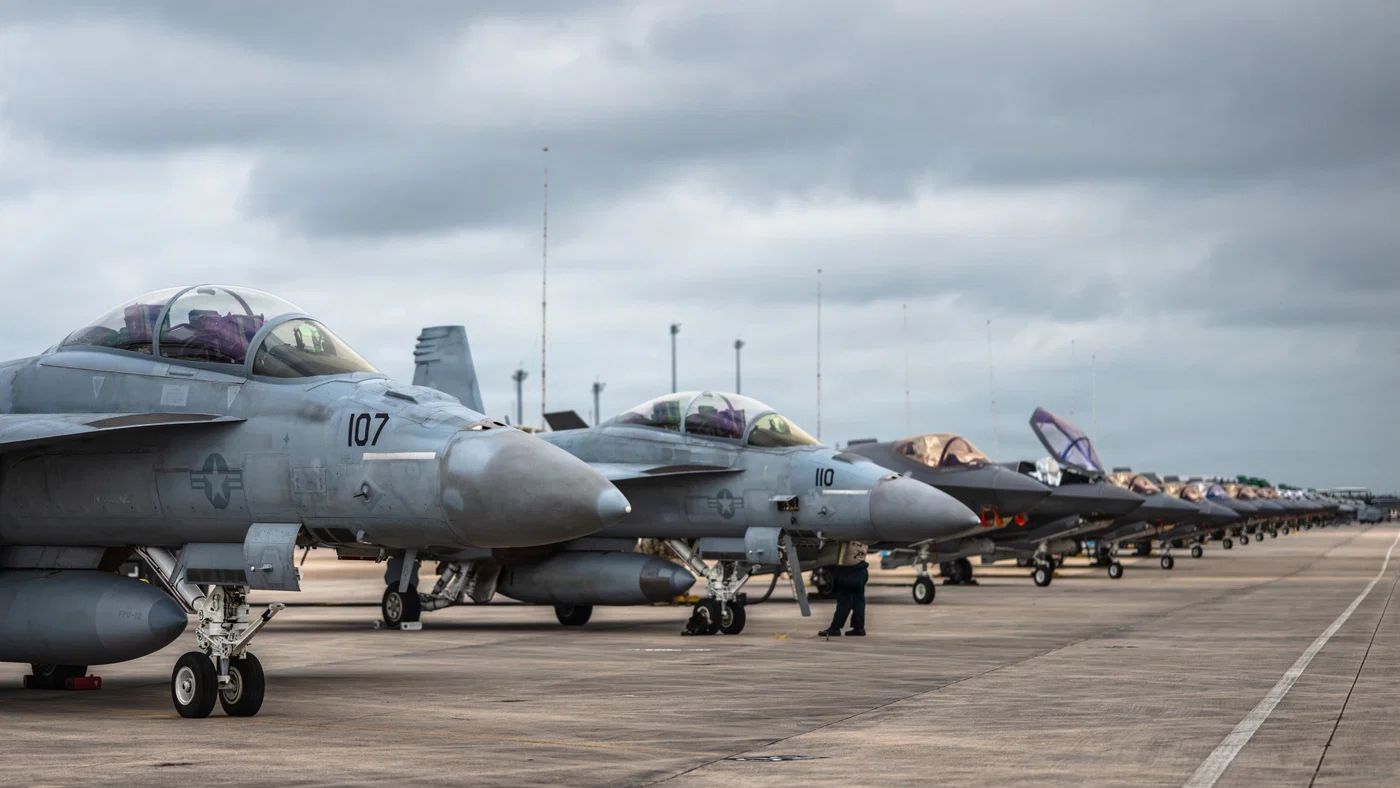
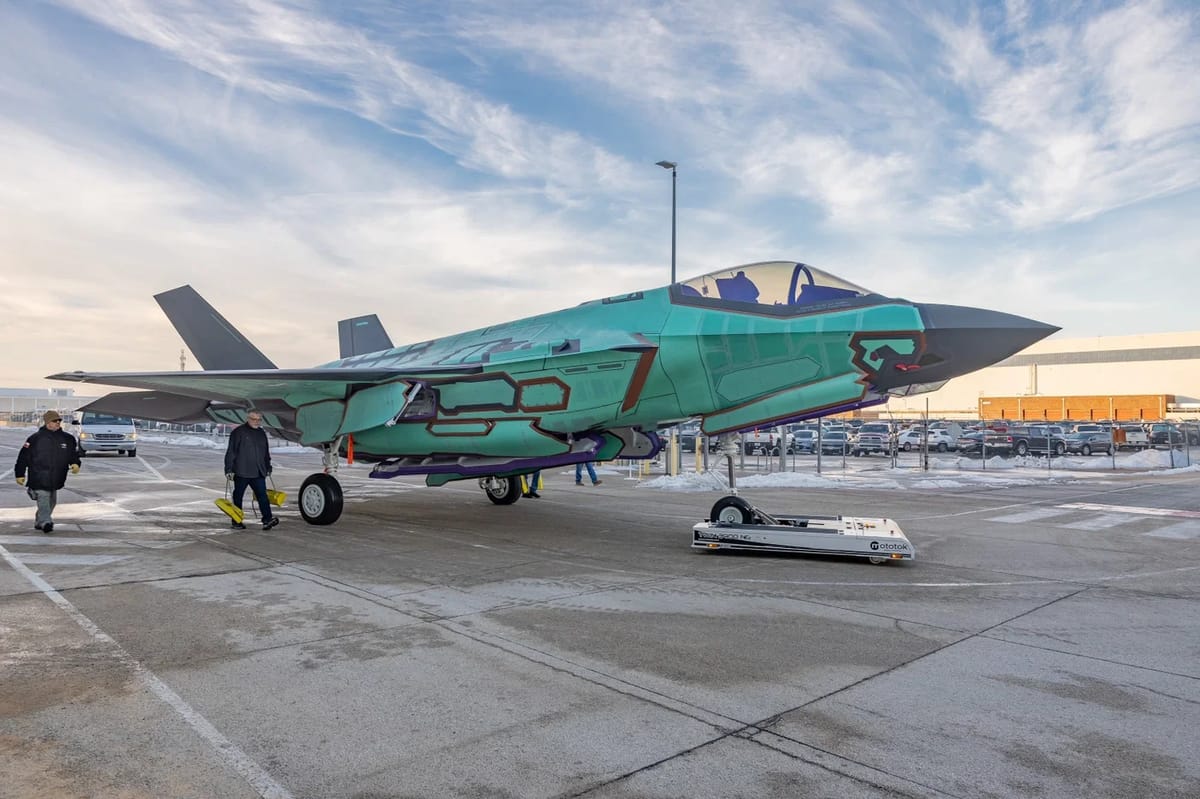
The abandonment of the project marks a profound and worrying turning point for the domestic defense industry across the European continent. As France and Germany retreat from their shared aerospace ambitions, numerous neighboring states are choosing to abandon local development entirely, electing instead to deepen their technological dependence on Washington by purchasing American built F-35 Lightning stealth fighters. While global adversaries accelerate the deployment of their own next generation stealth fleets, Europe is left without a unified, sovereign response, highlighting the immense difficulty local democracies face when attempting to execute complex defense collaborations.