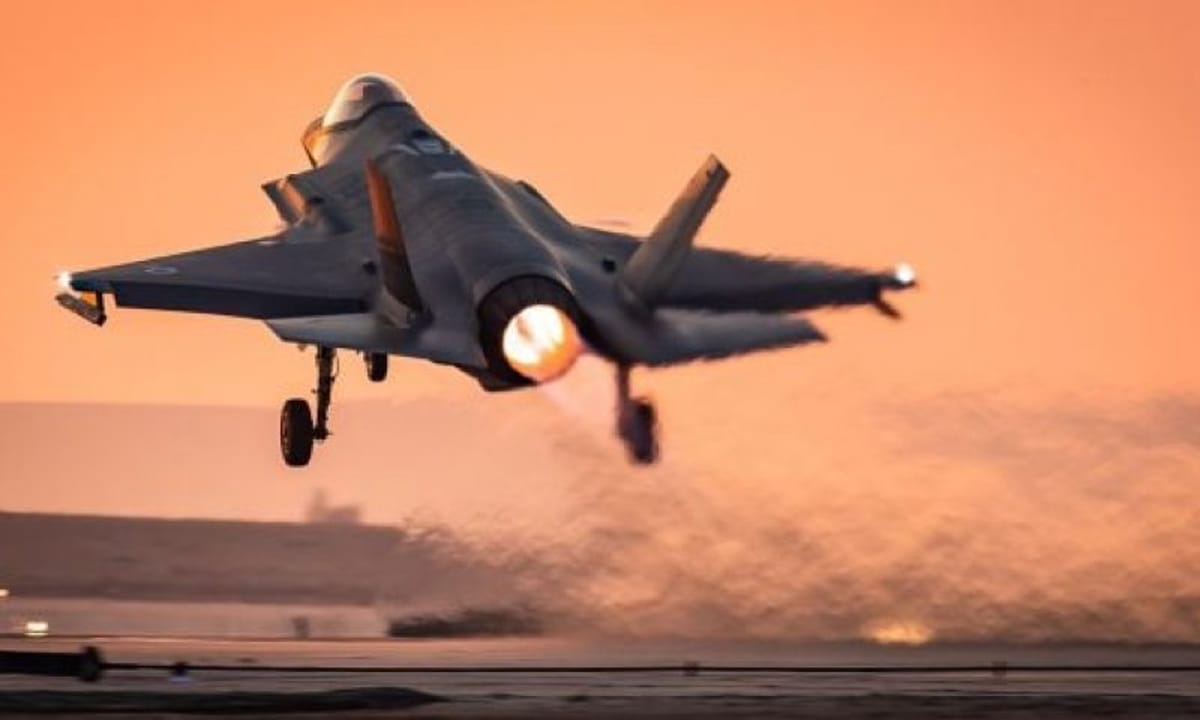
A massive military development unfolded across various airbases as the Israeli Air Force came within moments of launching a historic, large scale aerial offensive against strategic targets inside the Islamic Republic of Iran. The highly classified operation, which involved significant portions of the nation's frontline fighter squadrons, was completely neutralized right before the aircraft received their final authorization to take off. The details of the aborted mission were cleared for publication by defense authorities after military reporters confirmed the extreme level of readiness maintained by the armed forces.
The planned deployment represented one of the most significant strategic operations conceived during the current war, aimed at delivering a severe blow to the regime in Tehran. Dozens of advanced fighter jets had already completed their payload configurations, filling their bays with precision guided munitions designed to neutralize hardened infrastructure over a thousand kilometers away. The units were fully mobilized and positioned along the take off tracks, waiting exclusively for the political echelon to clear the final execution order.
Ultimately, the sweeping aerial campaign was completely halted, and the multi role combat aircraft were instructed to power down their engines without leaving the ground. Security protocols currently prevent the disclosure of the exact operational or diplomatic catalysts that led to the sudden termination of the mission. Strategic analysts are divided on whether the freeze was triggered by intense political interventions from the United States, or if it was a calculated tactical maneuver designed by the general staff.
Under the leadership of Chief of Staff Eyal Zamir, the defense establishment has frequently utilized high visibility readiness postures to create strategic ambiguity and reinforce deterrence without escalating into full scale regional war. The sudden movement of significant assets served as a clear message to Iranian commanders regarding the immediate reach of the air force. The official release of this information, which was reviewed and approved under strict military censorship guidelines, highlights the immense volatility defining the current relationship between Jerusalem and Tehran.
Security officials have adamantly refused to comment on the specific nature of the targets that were selected for destruction or whether the comprehensive attack plans will be reactivated in the immediate future. The domestic home front remains on elevated alert as commanders assess the shifting security environment. The disclosure emphasizes that despite superficial signs of a return to normal routines, the potential for an unprecedented military escalation remains exceptionally high.