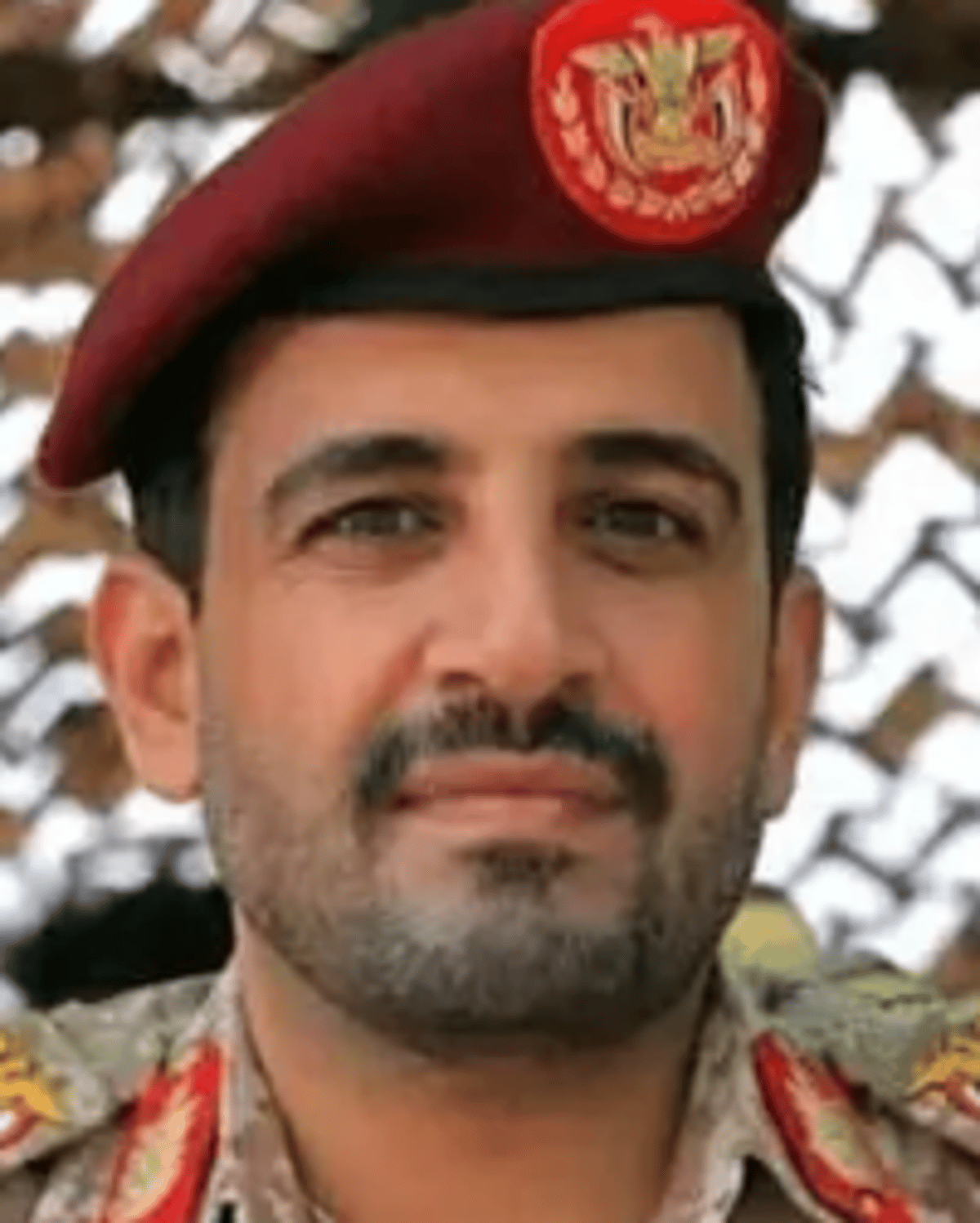
Thousands of Houthi supporters gathered in Yemen's rebel-held capital today for the funeral of Major General Muhammad Abdul Karim al-Ghamari, the group's top military commander killed in an Israeli airstrike last August, marking a significant blow to the Iran-backed militants amid fragile ceasefires across the region.
Al-Ghamari, who led cross-border attacks on Israel and disrupted Red Sea shipping, was eulogized as a "jihadist martyr" by Houthi media, but Israeli officials hailed his death as a decisive strike against the "axis of evil."
The procession, broadcast live by Houthi outlets like SABA news agency, featured chants of "Death to America, Death to Israel" and portraits of al-Ghamari alongside his 13-year-old son Hussein, who perished with him in the August 28 strike on a Sana'a meeting of Houthi leaders.
The Houthis delayed confirmation of his death until October 16, appointing Major General Yusuf al-Madani, commander of their Fifth Military Region along the Red Sea, as his successor.
Al-Madani, also U.S.-sanctioned, oversees operations that could sustain Houthi threats to maritime traffic.
Israel's military confirmed the targeted airstrike on October 16, with Defense Minister Israel Katz declaring al-Ghamari had "joined his fellow members of the axis of evil in the depths of hell," referring to the operation as the "strike of the firstborn."
Prime Minister Benjamin Netanyahu echoed this, stating: "Another chief of staff in the line of terror chiefs who aimed to harm us was eliminated. We will reach all of them."
The strike, part of a broader August campaign that also killed Houthi Prime Minister Ahmed Awad bin Mubarak and other ministers, was described by reports as highly precise, wounding al-Ghamari severely, he lost a leg and succumbed days later, while sparing broader civilian casualties. A prior June 2025 attempt on his life had failed.
Born between 1979 and 1984 in Yemen's northern Hajjah province, al-Ghamari rose through the Houthi ranks starting in 2004, overseeing their first improvised explosive device (IED) teams and fighting in all six wars against Yemen's government from 2004 to 2010.
He became the "godfather" of the Houthi terror army, channeling Iranian expertise into their arsenal. Between 2005 and 2009, he trained in Syria and southern Lebanon under Hezbollah and IRGC oversight, mastering rockets and artillery during a 2009 Tehran visit, and receiving ideological indoctrination in Beirut in 2012.
The U.S. Treasury sanctioned him in May 2021 for enabling advanced drone and ballistic missile networks, while the UN followed in November for exacerbating Yemen's civil war and civilian harm. A Yemeni military court in Marib sentenced him to death in absentia.
Appointed chief of staff around 2016 under the Supreme Political Council, al-Ghamari coordinated Houthi land, naval, and missile units, overseeing the theft and refurbishment of Yemeni army weapons with Iranian specialists. He masterminded major operations, including ballistic missile barrages against Saudi Arabia, the UAE, and Israel, and drone strikes on international shipping during the Red Sea crisis in solidarity with Gaza.
The Houthis claimed 758 operations with 1,835 munitions deployed against Israel since October 2023, under his strategic oversight.
Despite the Gaza ceasefire, the Houthis vowed in their funeral statement to persist "until the liberation of Jerusalem and the disappearance of the [Israeli] entity," framing al-Ghamari's death as part of the "Flood of Al-Aqsa" campaign.
Houthi leader Abdul Malik al-Houthi reiterated readiness to resume attacks if Israel violates the truce, while accusing humanitarian groups like the World Food Programme and UNICEF of espionage. Analysts view the loss as a "significant blow" to Houthi command, though their tunnel networks and Iranian support may mitigate long-term impact.