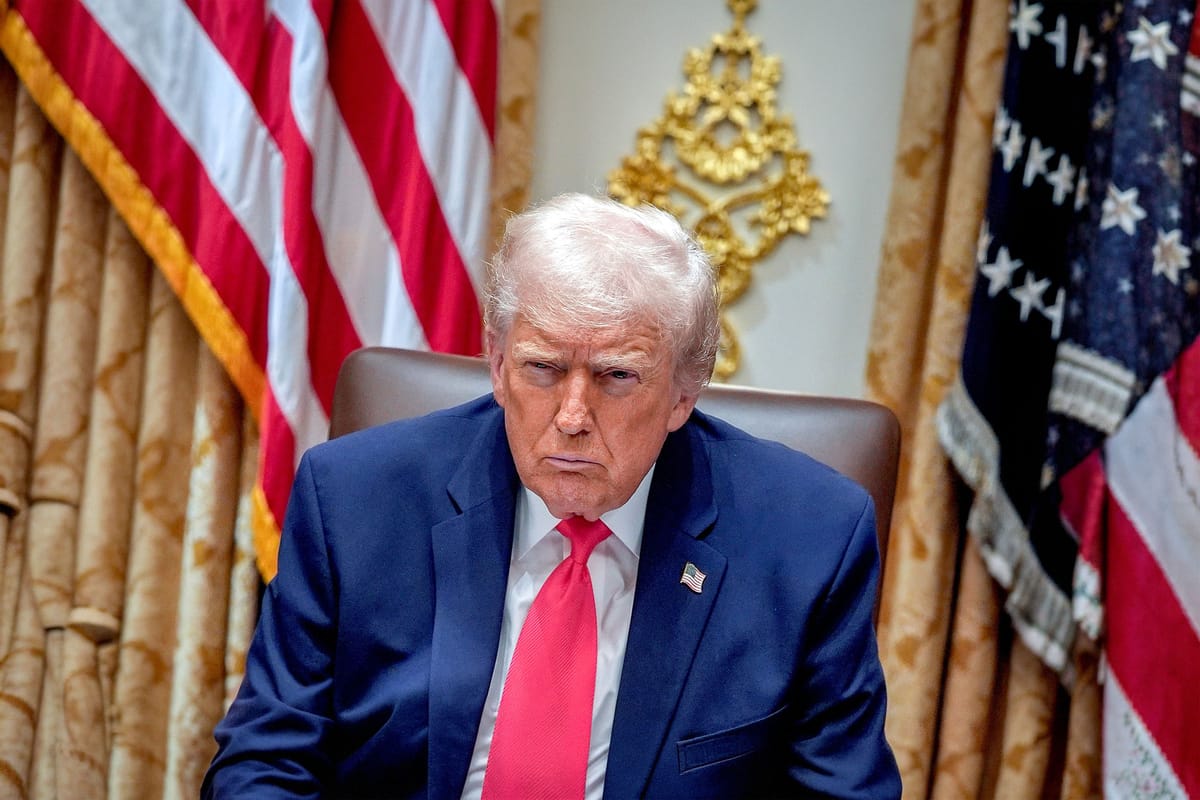
The United States military is moving into an advanced state of readiness as President Donald Trump prepares for potential strikes against the Iranian regime. Following his declaration that the killing of civilians is a "red line," the President has reportedly asked for a "government target bank" in addition to traditional military objectives. This strategy aims to hit the very heart of the regime’s power rather than just its frontline defenses. Military analysts believe that the window for action is narrowing, as a lack of intervention could allow the momentum of the popular uprising to fade under the weight of the regime’s direct fire and lethal pressure.
The U.S. military currently maintains a formidable presence in the region, with F-22, F-35, and F-15 fighter jets stationed in Qatar, Kuwait, Jordan, and Turkey. Furthermore, reports indicate that heavy bombers have arrived at the Diego Garcia base in the Indian Ocean. The primary targets of an American strike would likely include the command and control centers of the Revolutionary Guards and the Basij, the paramilitary force responsible for the most brutal street violence. Additionally, the U.S. is looking at technical infrastructure used to monitor citizens and block internet access, as well as high profile government headquarters in the capital city of Tehran.
A more severe tier of targets includes Iran's critical oil and gas sectors, which provide the vast majority of the regime's revenue. While Trump could authorize limited "punishment strikes" on his own, a broader war campaign would require Congressional approval and carries the risk of a global spike in energy prices. The current coordination between Israeli and American planners suggests that the U.S. is adopting a model of "limited strikes" meant to signal to the Ayatollahs that the cost of continued repression will be the total destruction of their administrative capabilities. By focusing on symbols of the regime rather than the general population, the administration hopes to empower the protesters to take control of their own destiny.