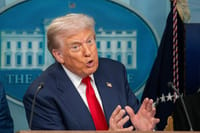
High-level intelligence briefings presented to President Donald Trump indicate that the Iranian regime’s hold on power has reached its most precarious state since the Islamic Revolution in 1979.
According to a report by the New York Times citing officials familiar with the matter, these intelligence assessments come as the U.S. considers potential military action against Tehran. While no strike has been launched yet, the strategic "window of opportunity" is reportedly being weighed by the President amid a backdrop of unprecedented internal instability in Iran.
The reports highlight that recent waves of anti-government protests have penetrated even the traditional strongholds of the regime, areas previously considered loyal to Supreme Leader Ali Khamenei. This internal unrest, combined with economic pressure and regional setbacks, has led U.S. analysts to conclude that the regime’s grip is significantly fractured.
Senator Lindsey Graham, a close ally of the President, fueled speculation of an imminent U.S. response with a series of statements on X (formerly Twitter). Graham emphasized that President Trump would make the "right decisions" to keep America safe during this "dangerous time."
"History teaches us that the right decision is to stand with those who stand with America," Graham wrote. "History also teaches us that evil cannot be dealt with, it must be defeated."
Graham drew a sharp comparison to past foreign policy failures, stating that abandoning the Iranian protesters or Kurdish allies would be "Benghazi times a million." He expressed full confidence in the administration’s ability to act decisively to protect U.S. interests and support those resisting oppression.
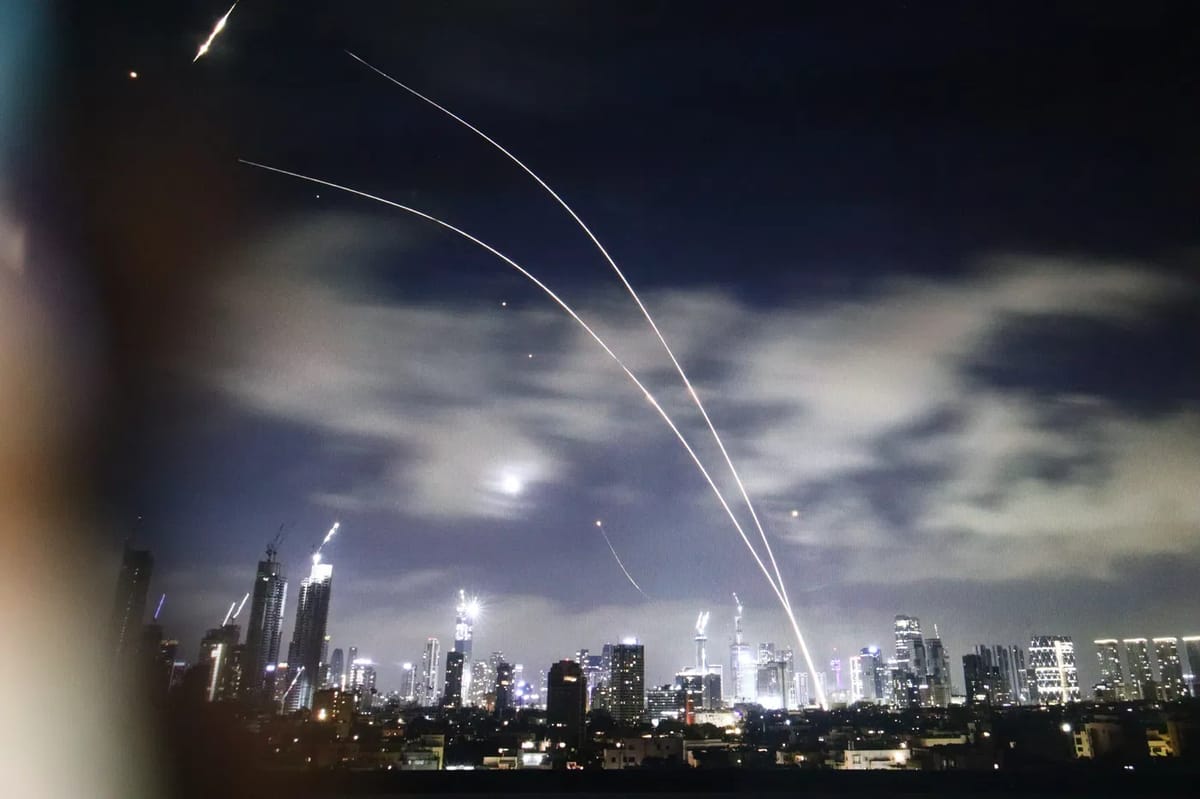
The intelligence surge coincides with the recent positioning of the USS Abraham Lincoln carrier strike group in the region and a spike in reconnaissance flights. While the White House remains tight-lipped on specific timelines, the convergence of internal Iranian weakness and external U.S. military posturing suggests a critical turning point in Middle Eastern geopolitics.