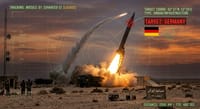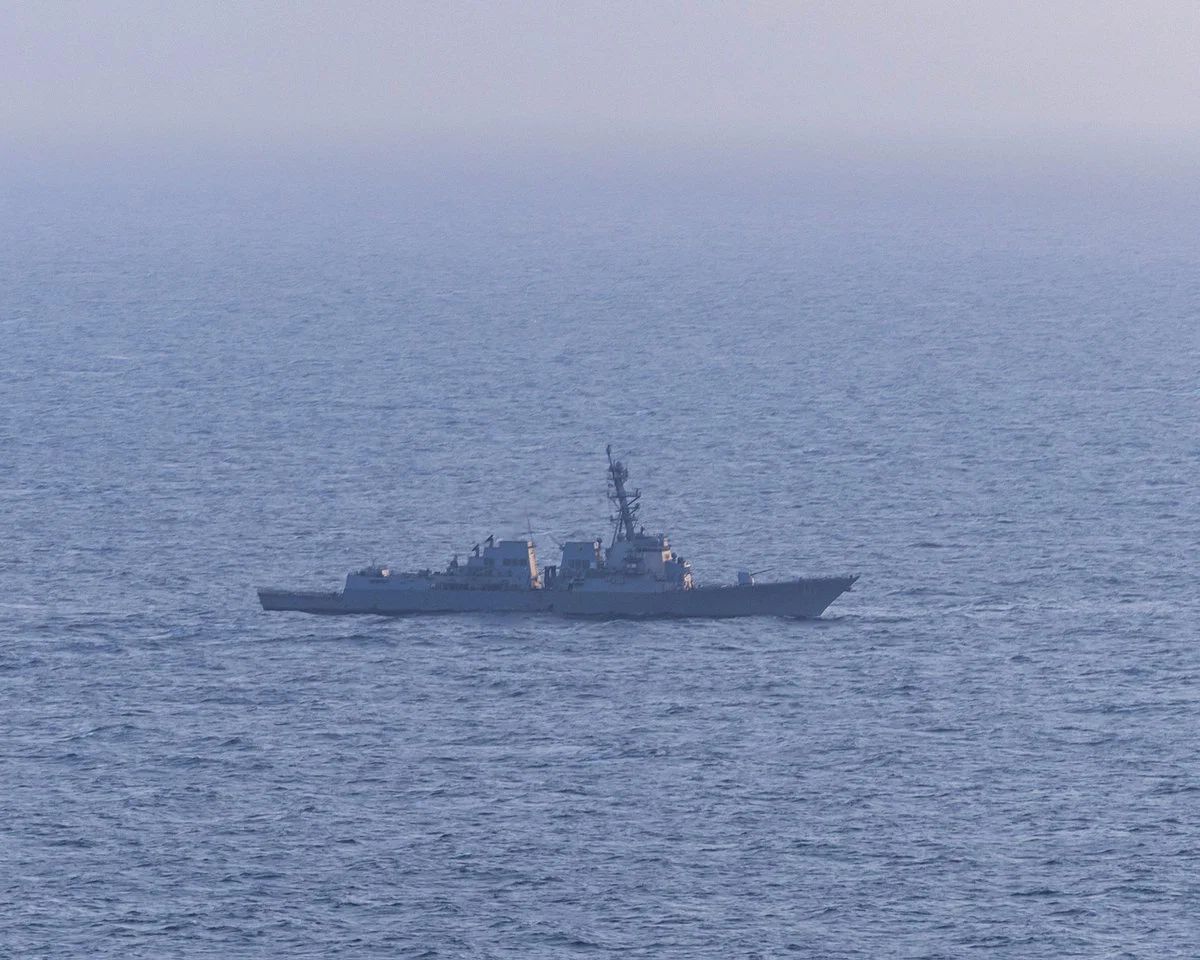
A senior Iranian official issued a searing threat against the United States overnight, warning that Tehran is prepared to destroy American naval assets as Washington tightens a maritime blockade on the Strait of Hormuz.
Mohsen Rezaei, a high-ranking figure within the Iranian regime, clarified that the Islamic Republic has no intention of ceding control over the strategic chokepoint.
"We will not give up the Strait of Hormuz until we fully restore our rights," Rezaei stated. He dismissed the recent American naval pressure, reinstated under the Trump administration, as a sign of weakness following a "series of defeats."
"Our missiles will sink your ships," Rezaei warned. "Trump’s blockade is nothing more than psychological warfare that will not affect our negotiating position."
The rhetoric comes as US Central Command (CENTCOM) reported high success rates in enforcing the maritime closure that began earlier this week. According to official data:
- Ten Iranian vessels have been intercepted and turned back since Monday.
- Zero ships have successfully breached the blockade.Most recently, a specialized Iranian vessel attempted to break through the line but was stopped and forced to retreat.
Despite the aggressive posturing, there are signs of intense diplomatic movement behind the scenes. Reports suggest Washington and Tehran are exploring a resumption of talks, with Tehran reportedly floating a proposal to allow shipping through Omani territorial waters, provided a comprehensive agreement is reached to end the military conflict.
However, the economic pressure on Tehran is set to spike. US Treasury Secretary Scott Bessent announced that Washington will not renew waivers for Iranian and Russian oil. The expiration of these waivers is expected to remove approximately 140 million barrels of Iranian oil from international markets, striking a blow to an economy already reeling from hyperinflation.
In Tehran, Parliament Speaker Mohammad Baqer Qalibaf linked the current tensions to the broader regional conflict, suggesting that a comprehensive ceasefire in Lebanon would be the "result of the steadfast resistance of the great Hezbollah."
Qalibaf insisted that "the Resistance and Iran are one soul," calling on the US to abandon its "Israel-first" policy.
Israeli officials are reportedly monitoring the developments closely.
Assessments suggest that the current limited ceasefire framework between the US and Iran may be extended by an additional two weeks to facilitate further diplomatic contact.