The International Monetary Fund warned that the war involving Iran is delivering a global economic shock, weakening growth prospects and pushing up prices worldwide.
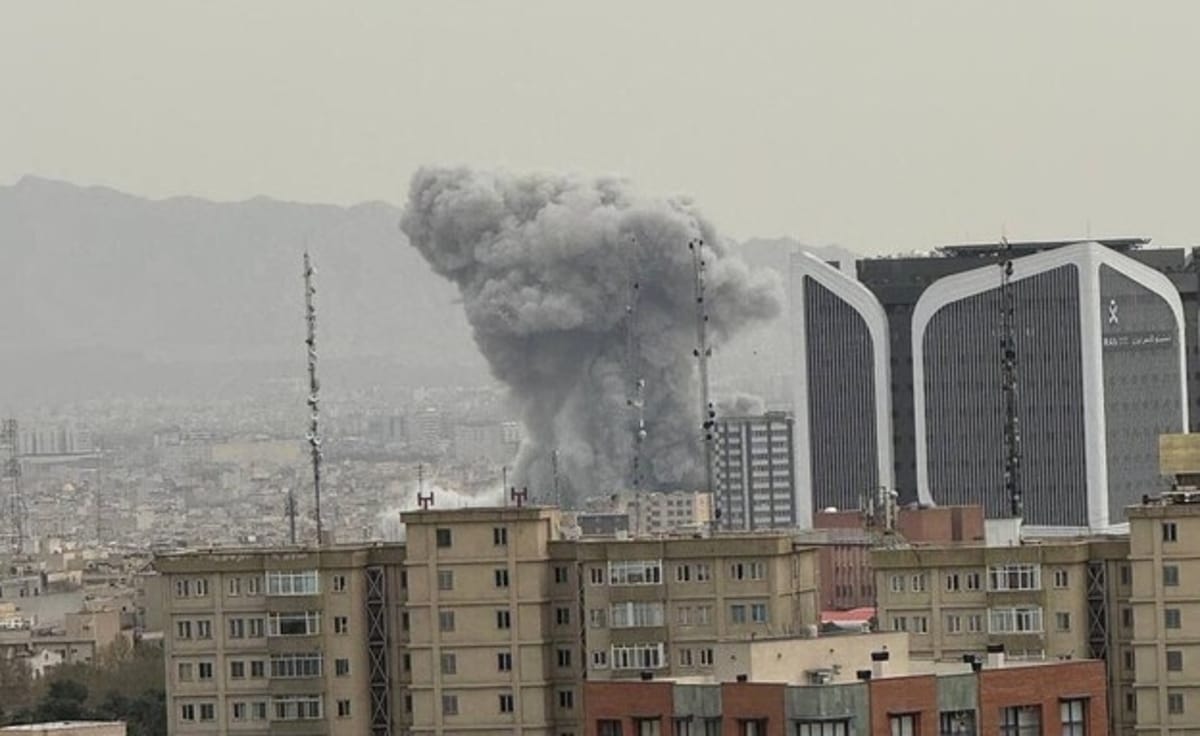
In a blog post by its senior economists, the IMF said the conflict, which began with US and Israeli strikes on February 28, is creating what it described as a “global but asymmetric shock,” with some regions hit far harder than others.
At the center of the disruption is the Strait of Hormuz, a critical energy corridor through which roughly a quarter to a third of the world’s oil and a fifth of liquefied natural gas typically pass. Iran’s effective closure of the waterway, along with damage to regional infrastructure, has triggered what officials describe as the largest disruption to global oil markets in history.
Oil prices are now on track for a record monthly increase, tightening financial conditions and adding pressure to economies that were only beginning to recover from earlier crises.
The IMF said the long-term impact will depend on how long the conflict lasts and how far it spreads, but warned that “all roads lead to higher prices and slower growth.”
Energy-importing regions, particularly in Europe and Asia, are already feeling the strain from rising fuel costs. Meanwhile, lower-income countries face even greater risks, especially as higher food and fertilizer prices threaten food security.
The fund noted that in poorer countries, food accounts for a much larger share of household spending, making price spikes especially destabilizing both economically and socially.
Global policymakers are already responding. The Group of Seven nations said they are prepared to take “all necessary measures” to stabilize energy markets, while members of the International Energy Agency have agreed to release a record 400 million barrels of oil from strategic reserves.
Even so, the IMF warned that prolonged uncertainty could keep energy prices elevated and make inflation harder to control, potentially forcing central banks to choose between containing price increases and avoiding deeper economic slowdowns.
A fuller assessment of the war’s economic impact is expected in the IMF’s upcoming World Economic Outlook report later this month.