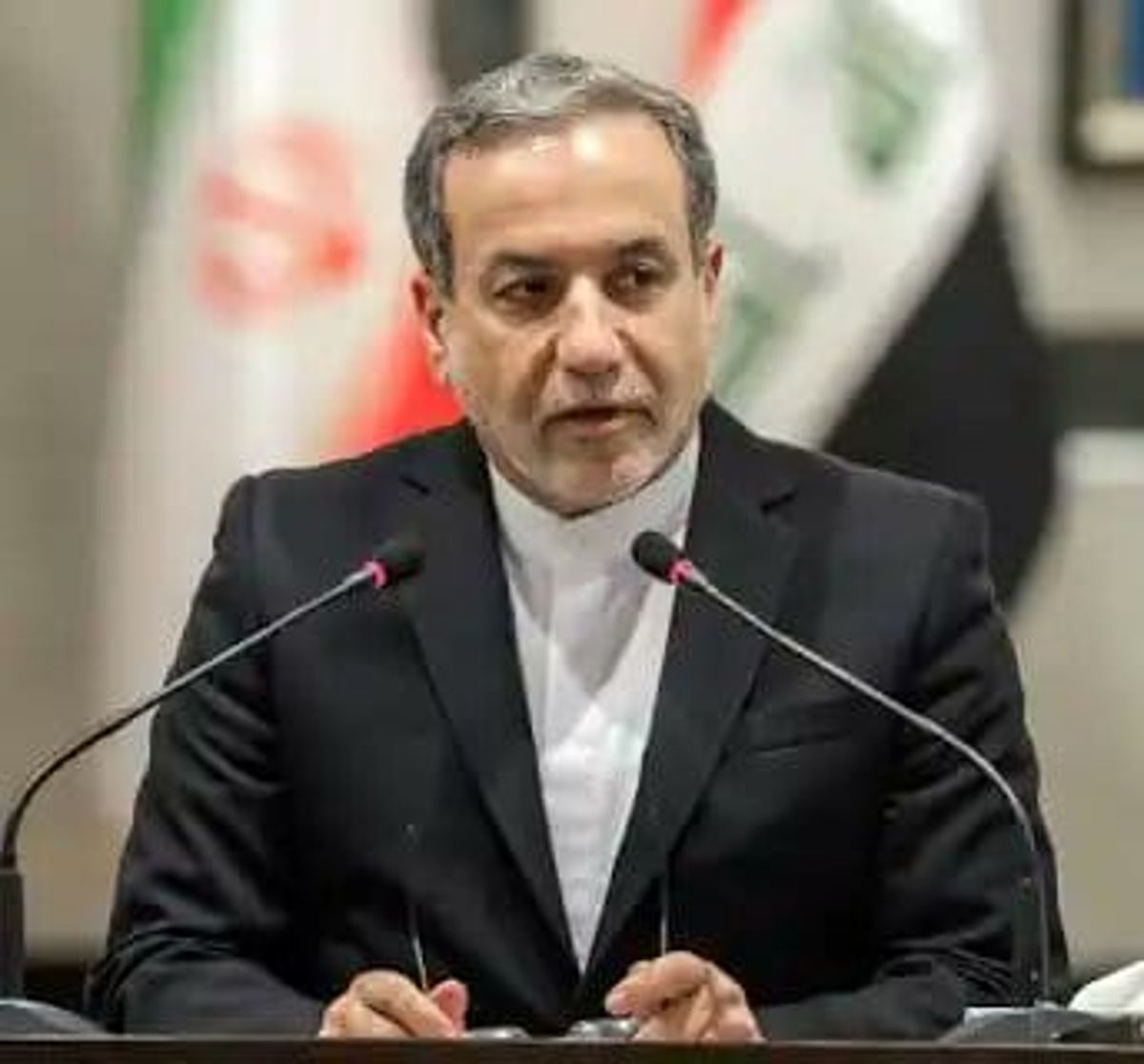
The prospects for a comprehensive peace deal have dimmed as Iranian Foreign Minister Abbas Araghchi announced a significant deadlock in the negotiations regarding the regime's enriched uranium. In a statement issued on Friday, Araghchi described the issue of the nuclear material currently in Iran's possession as "extremely complex." He revealed that both the Iranian and American teams have reached the conclusion that a breakthrough is currently impossible, leading to a decision to postpone the topic to a later stage of the talks.
This admission confirms the growing skepticism among international observers who believed that the core issue of the war would be the most difficult to resolve. Araghchi clarified that, at this moment, the fate of the uranium is "not on the table" and is not being actively negotiated. This stance stands in direct opposition to President Trump’s recent public declarations, where he claimed with "100% certainty" that the Iranians had already agreed to hand over their material to the United States.
The disagreement centers on the 11 tons of uranium currently held by Tehran, including significant amounts enriched to 20% and 60% purity. While the U.S. and Israel demand the physical removal of these stores as a condition for a permanent ceasefire, Iran is pushing for an end to the war and the removal of the naval blockade before any nuclear concessions are formalized. Araghchi’s comments suggest that Tehran is unwilling to give up its primary source of strategic leverage while the country is still under a maritime siege.
The diplomatic "stall" is being viewed by many as a calculated move by the Iranian leadership to test the resolve of the Trump administration. By removing the nuclear file from the current discussion, Iran hopes to focus the 30-day window on economic relief and a permanent cessation of the air war. However, this strategy carries immense risk, as the White House has repeatedly warned that the military option remains the central pillar of its policy if the nuclear threat is not addressed.
In Washington, the reaction to Araghchi’s statement has been one of renewed firmness. Officials close to Secretary of State Marco Rubio noted that a deal without a nuclear component is not a deal at all, but rather a "temporary pause" that favors the regime. The U.S. continues to maintain that its "Project Freedom" and the broader naval blockade will not be lifted based on empty promises or delayed negotiations regarding the atomic stockpile.
As the two sides remain stuck in this "stalemate of the dust," the risk of a return to high-intensity combat increases. The Iranian leadership's refusal to discuss the uranium indicates that they may be preparing for a prolonged period of economic isolation rather than a total capitulation. With the 30-day clock ticking, the "later stages" that Araghchi alluded to may never arrive if the ceasefire collapses under the weight of this fundamental disagreement.