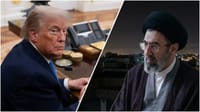
Israel's strike on Dahiyeh in Beirut Sunday triggered a 12-hour behind-the-scenes crisis that nearly sparked a direct Iranian ballistic missile attack on Israel and came within hours of collapsing the U.S.-Iran deal entirely, according to a detailed report by investigative journalist Ronen Bergman published Monday on Ynet.
The strike, carried out on the direct orders of Prime Minister Benjamin Netanyahu and Defense Minister Israel Katz, was launched despite sharp warnings from senior IDF commanders and top defense officials who urged a 48-hour delay, warning that the timing was explosive: the United States and Iran were at that very moment on the verge of signing a broad agreement through Qatari mediation. The political echelon overruled them, notifying the Americans only minutes before the bombs fell, with no prior consultation.
According to sources cited in Bergman's report, the decision reflected Netanyahu's anxiety over sharp criticism he had absorbed over the weekend from right-wing circles and media allies who accused him of losing influence over Trump and failing to derail the emerging deal. Some harsher sources within the system assessed that the real purpose of the strike at that sensitive moment was to carry out a "political act of sabotage" against the negotiations, in the understanding that it would provoke a severe Iranian response and trigger a chain of events that would collapse the talks.
Immediately after the strike, Israel's defense establishment went to maximum readiness for what was assessed as an inevitable outcome: a ballistic missile barrage from Iran, expected by intelligence estimates to launch around evening primetime. The IDF prepared both its air defense systems and strike plans against a list of military and infrastructure targets inside Iran in the event of a launch. In Tehran, practical preparations for a missile launch had indeed begun, and the world appeared to be sliding toward a direct, all-out regional confrontation.
It was at that point that the real drama began behind the scenes in Washington.
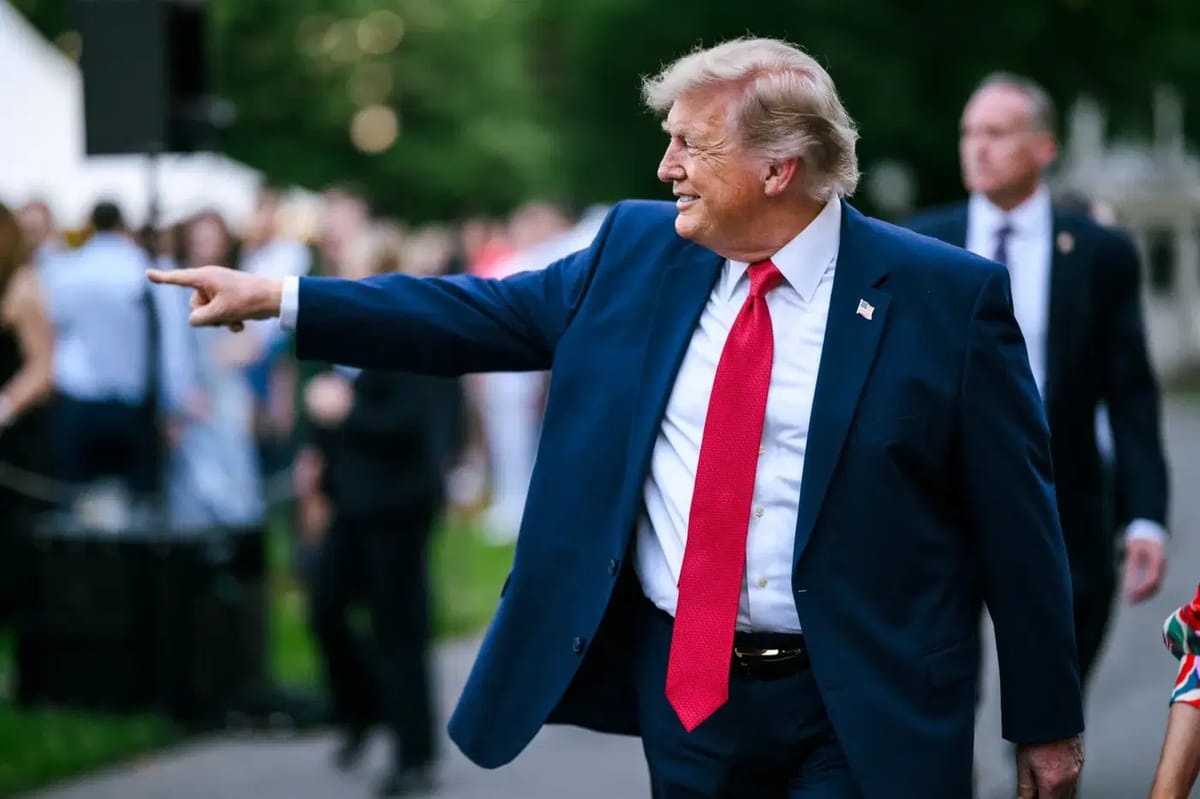
President Trump, according to the report, understood he had been placed in an "impossible situation" in which he could neither appear weak in the face of Iranian provocations nor allow the nuclear deal he regarded as a historic personal achievement to be destroyed. Recognizing that an Iranian response would trigger an Israeli counter-strike that would obliterate the negotiations within hours, Trump launched a frantic overnight rescue operation. Through Qatari mediators, Trump applied what the report describes as "enormous pressure" on the Tehran leadership, combining sharp threats and placing full responsibility on Iran if it struck, alongside significant inducements including additional economic concessions and an accelerated timeline for the immediate lifting of the siege on Iranian ports and the Strait of Hormuz.
The pressure worked. Through the evening, Israeli intelligence sources detected the Iranian launch being delayed repeatedly, until Tehran formally notified the mediators that it was suspending its military operation to allow Trump to close the deal that same day.
The outcome was the opposite of what Jerusalem had hoped for. Rather than blowing up the negotiations, the Dahiyeh strike gave them powerful momentum, with Trump emerging more determined than ever to sign the deal immediately to prevent similar incidents in the future, and improving the economic terms for Iran in the process.
Netanyahu was left, according to the report, in an embarrassing and humiliating position both internationally and domestically. His repeated attempts in recent weeks to demonstrate independence from the Trump administration and show his voters he was capable of defying Washington were stopped once again by force. The humiliation became public when Trump moved quickly to leak the contents of his phone call with Netanyahu to the press.
The episode laid bare in vivid terms the depth of the chasm between Jerusalem and Washington: while Israel views the agreement as an existential danger and a strategic mistake, Trump views it as a supreme objective and is prepared to restrain Israel firmly and offer concessions to its enemy to ensure its signing.