
"We're Not Retreating": Israel Defies Iran Deal Constraints | NEW DETAILS
Israel expands Lebanon operations and defies Iran deal constraints. Security officials confirm IDF won't retreat, betting Trump won't enforce ceasefire terms.

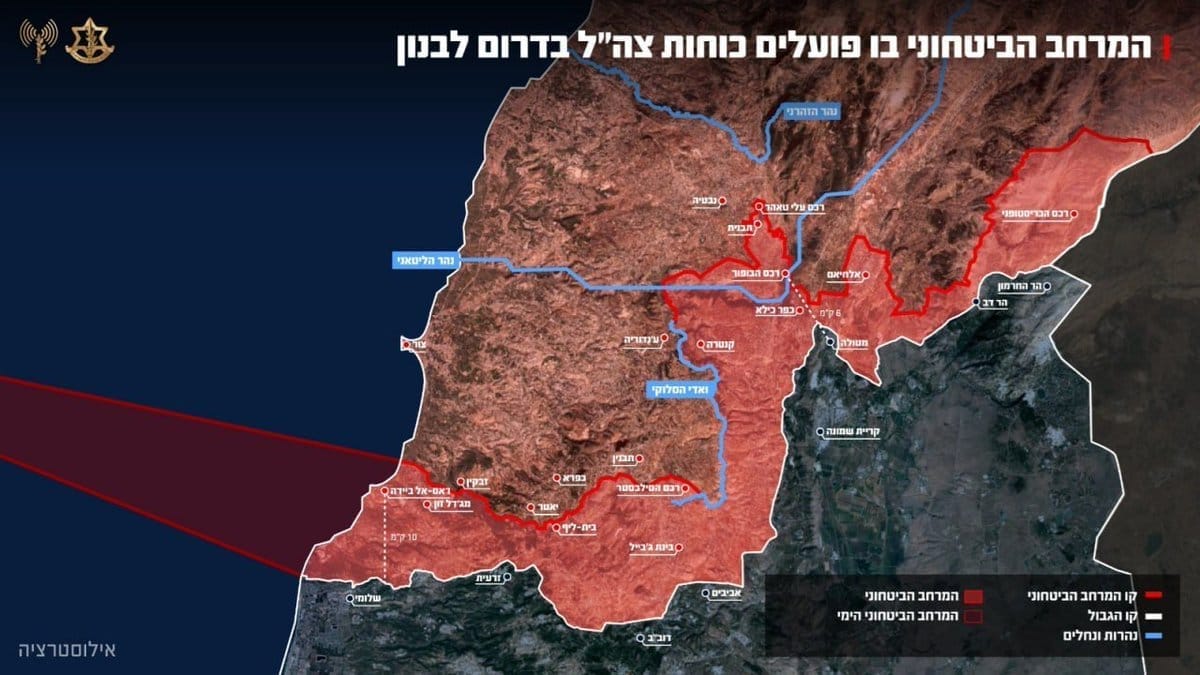
Despite the U.S. signing a surrender agreement with Iran that explicitly mandates an end to fighting across all fronts, Israeli security officials made clear Thursday that the IDF has no intention of withdrawing from its operational space in Lebanon or limiting its military activities to the so-called Yellow Line that formally marks the security boundary.
Instead, Israel is expanding its defined operational zone, extending control into maritime space and reserving the right to pursue and eliminate threats wherever they are identified, regardless of whether they originate beyond the negotiated boundary.
The operational posture represents a direct rejection of the constraints implicit in the Trump administration's Iran accord and signals that Netanyahu's government is gambling that American political dysfunction will prevent Trump from enforcing the agreement's terms against Israel.
The Expanded Mandate
Israeli security officials briefed on the new guidelines emphasized that the IDF will continue to hold operational space according to battlefield necessity rather than diplomatic agreement. The military presence, they explained, is designed to establish effective defense of northern Israeli settlements and to eliminate threats to Israeli forces.
Critically, officials stated that the IDF will act to remove threats to Israeli citizens and security forces "even if they are identified beyond the security space, meaning beyond the Yellow Line." This language amounts to a formal reservation of the right to conduct offensive operations across Lebanese territory without regard to the internationally negotiated boundary.
The maritime dimension of this expansion is particularly significant. Israeli officials have decided that the naval security space will be a direct continuation of the terrestrial security space, extending into the Mediterranean at 280 degrees compass bearing, creating what they describe as "a complete defensive continuum." In practical terms, this means Israel is now claiming operational control of a maritime corridor extending from Israeli waters into Lebanese territorial seas.

Negotiations Continue
Even as Israel hardened its military posture, direct negotiations between Israeli and Lebanese officials continued throughout the week, with both nations' delegation teams expected to meet again next week to discuss arrangements. The Israeli government is simultaneously pursuing diplomatic channels and militarily consolidating its territorial gains, a classic strategy of negotiating from strength.
Iran's Response and Risk Calculus
The Iranian government responded to Israel's expanded operations by threatening direct retaliation. Tehran warned that if Israel continues military activities in south Lebanon, Iran will respond with direct missile and drone strikes at Israeli targets.
Israeli security officials responded to this threat by clarifying that operational activity in the field continues as normal. Any civilian or civilian infrastructure approach to the Israeli security zone, they warned, carries immediate risk of death. They called on the Lebanese army to operate in full coordination with IDF forces and warned Lebanese civilians to completely avoid the area.
The Trump Gamble
The entire Israeli posture appears predicated on a calculation that Trump, despite his public fury at Netanyahu and his stated commitment to ending Middle East military conflicts, will not enforce the Iran agreement's ceasefire provisions against Israel.
That gamble depends on several factors: Trump's documented affection for Israel, his domestic political vulnerability to pro-Israel constituencies, and the likelihood that actual enforcement of the ceasefire would require military confrontation with the Israeli state, something no American administration has undertaken.
If that calculation proves wrong, Israel faces a situation where its major military patron has signed an agreement it has directly violated. If it proves right, Israel has secured a much larger operational footprint in Lebanon than any ceasefire agreement contemplated, with diplomatic cover provided by ongoing "negotiations."
For now, the IDF remains in place, the maritime perimeter is established, and Iranian threats of retaliation hang in the air. Whether Trump will demand Israeli compliance, accept Israeli defiance, or find some face-saving middle ground remains the central question in Middle Eastern security.
Israel appears to be betting it knows the answer.