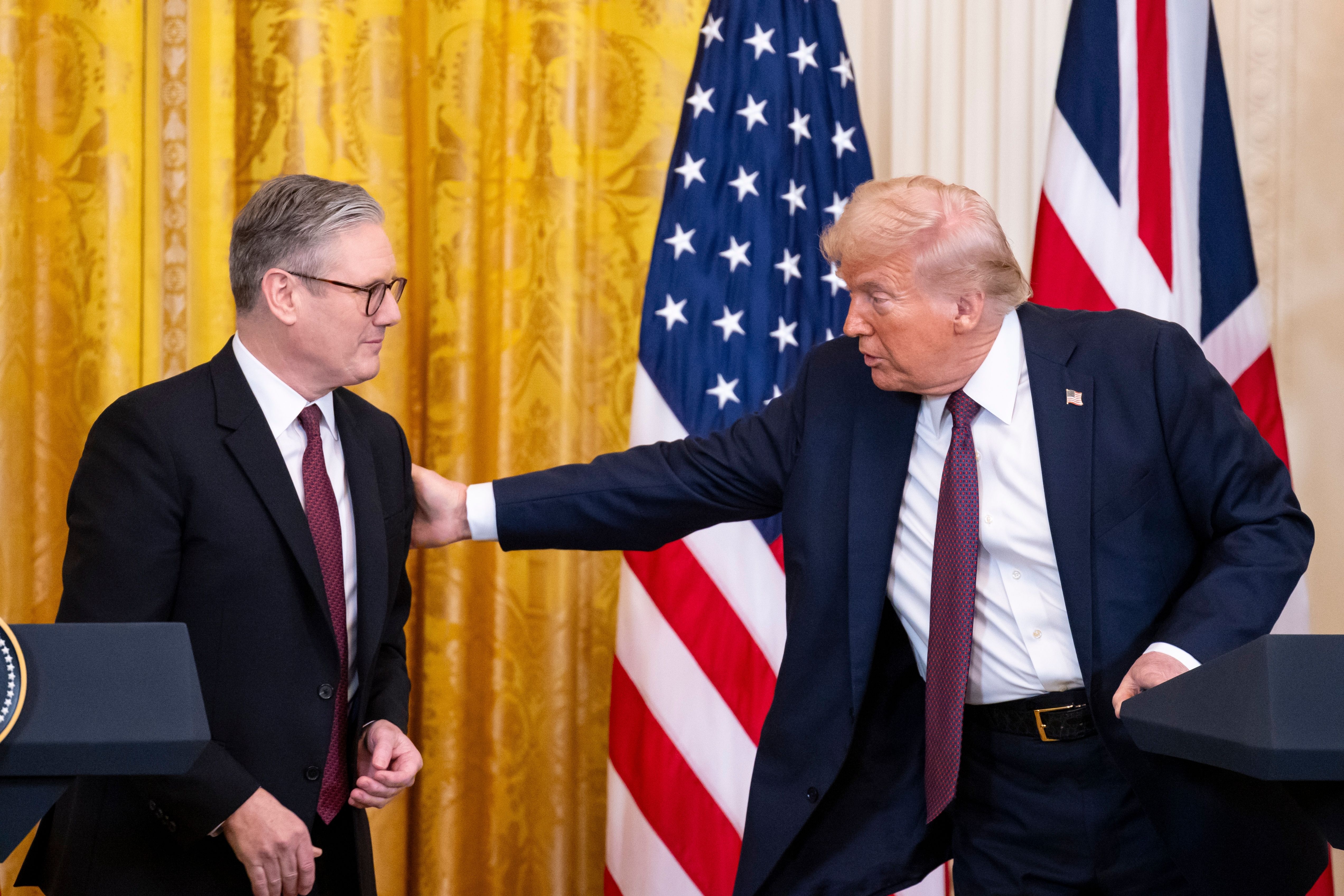
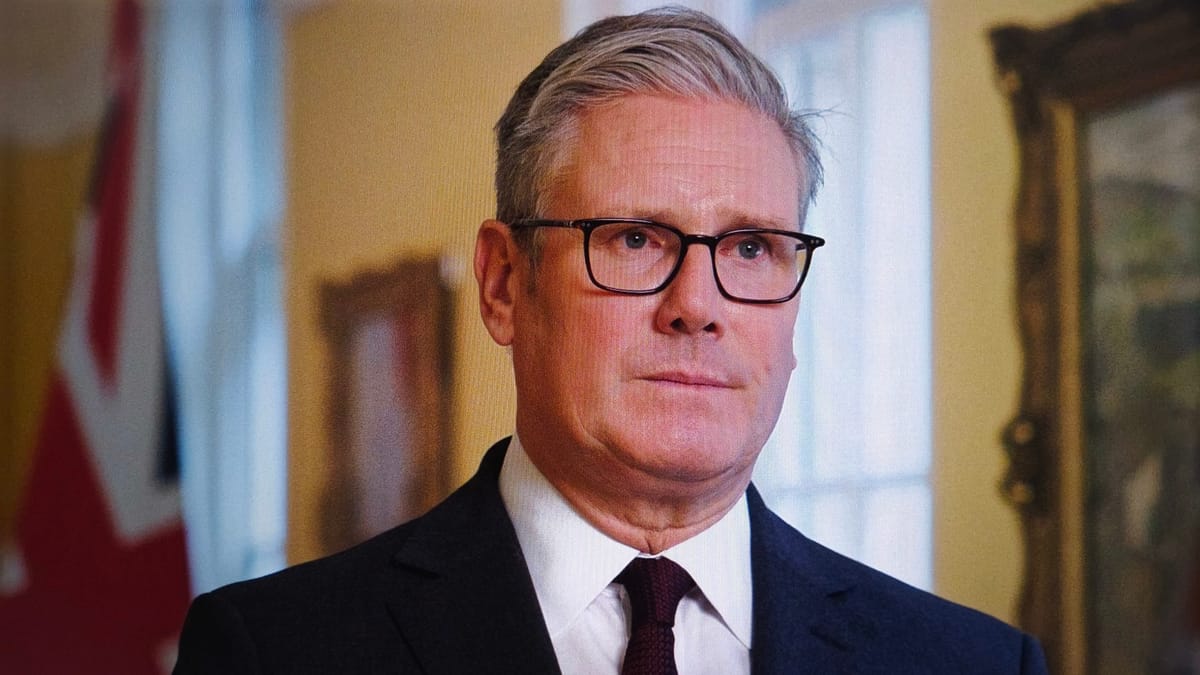
British Prime Minister Keir Starmer’s resignation outside 10 Downing Street, brings a dramatic and premature end to a premiership that began with historic promise but rapidly unraveled under the weight of severe economic stagnation, policy U-turns, and internal party rebellion.
Entering office in July 2024 following a landslide victory that ended 14 years of Conservative rule, Starmer pitched himself as a technocratic healer. Yet, less than two years later, he leaves office as one of the most unpopular prime ministers in modern British history, succumbing to overwhelming pressure from his own lawmakers.
Key Milestones and the Road to Resignation
Starmer’s brief tenure was defined by a rapid shift from electoral dominance to political paralysis. Over the last two years, several critical factors and milestones culminated in his downfall:
- The Mandelson Diplomacy Scandal: A major blow to the administration’s credibility came with the controversial appointment of Peter Mandelson as the UK Ambassador to the United States. Revelations regarding Mandelson's past ties to Jeffrey Epstein triggered widespread public fury and forced the resignation of Starmer's long-time Chief of Staff, Morgan McSweeney.
- Economic Crises and Policy U-Turns: Starmer struggled to spark promised economic growth or alleviate the severe cost-of-living crisis gripping the nation. His administration faced heavy backlash for severe domestic policy shifts, most notably the highly unpopular decision to scrap the winter fuel allowance for pensioners.
- Electoral Wipeouts: The political ground shifted decisively during the May local elections, where Labour lost control of 38 councils and suffered a near-total collapse in Wales. Concurrently, Nigel Farage’s right-wing Reform UK party surged in nationwide polls, terrifying Labour backbenchers ahead of the next general election.
- The Final Catalyst: The ultimate blow was struck during a special by-election in Makerfield. Andy Burnham, the popular former Mayor of Greater Manchester, secured a decisive victory to re-enter Parliament. Backed by an estimated 200 Labour lawmakers, Burnham’s return signaled an immediate, insurmountable challenge to Starmer’s leadership, forcing the Prime Minister to concede that he no longer held the mandate to lead.
Anxious Kingdom Awaits Burnham
Starmer will serve as a caretaker prime minister until the Labour Party selects a replacement, with Manchester Mayor Andy Burnham heavily favored to take the helm. The prospect of installing Britain's seventh prime minister in a single decade has deeply alarmed the British Royal Family, sparking fears that severe political instability is paralyzing national governance during a time of harsh economic crisis.