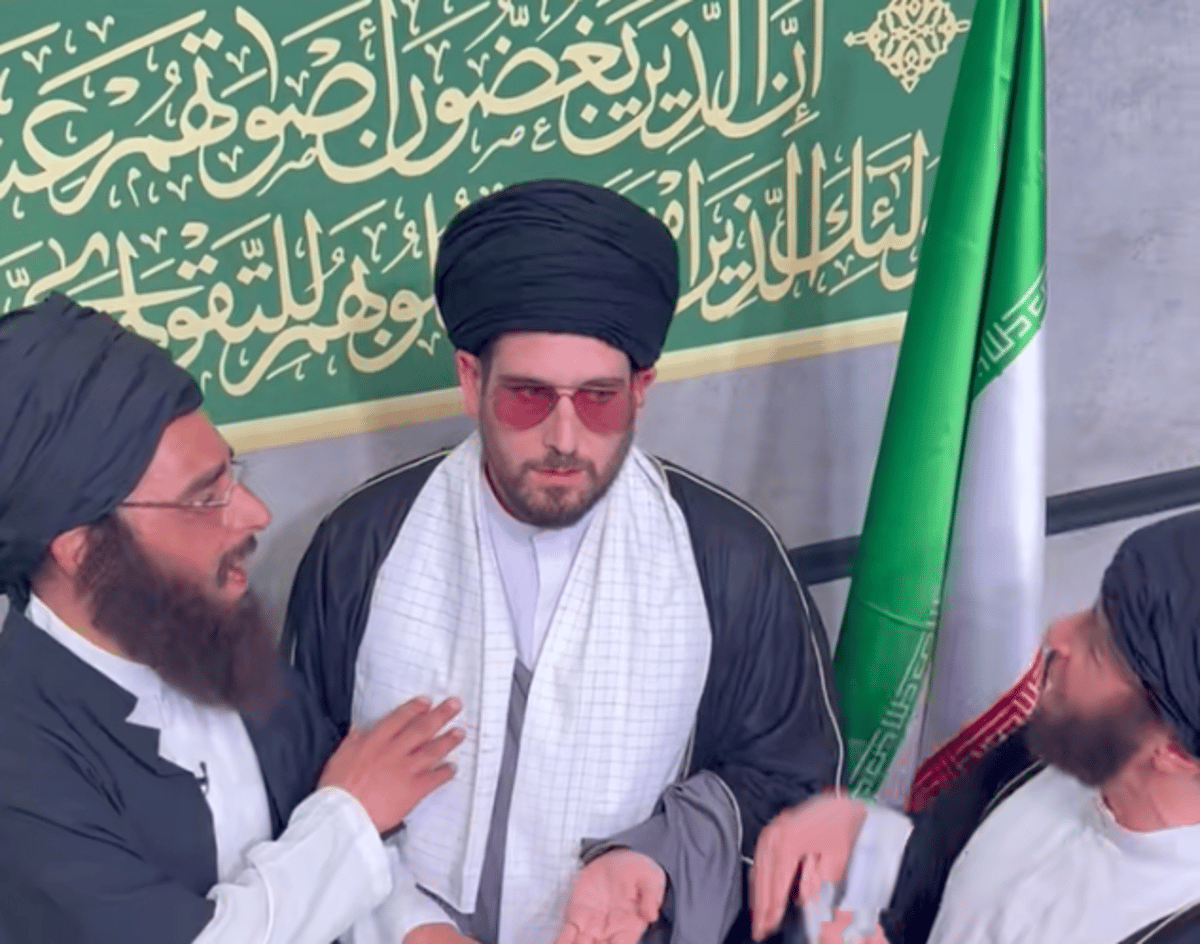
More than a month after the death of Ali Khamenei, his son and successor, Mojtaba Khamenei, remains a figure shrouded in secrecy and isolation. While the Iranian regime has attempted to project a sense of continuity, the new Supreme Leader has failed to make a single public appearance. The Russian Ambassador in Tehran recently confirmed to the media outlet RTVI that Mojtaba is indeed within the country but is avoiding the public "for obvious reasons" related to the ongoing security situation. This admission comes amid persistent intelligence reports from the United States and Israel suggesting that Mojtaba may have been seriously injured during the initial wave of airstrikes that killed his father, leading to a state of strategic paralysis within the top levels of the government.
A Leader Under Pressure
The mystery surrounding Mojtaba Khamenei has created a significant power vacuum at a time when the regime is facing its greatest existential threat. Russian officials, who maintain a strategic partnership with Tehran, are monitoring the situation closely, but their confirmation of his "hidden" status only adds to the speculation regarding his health. U.S. intelligence officials have previously stated that they believe Mojtaba is in "extremely bad condition" and may be suffering from disfiguring injuries that make a public broadcast impossible. The lack of a visual or audio address, even during major holidays or after significant military losses, has led many to believe that the regime is being run by a council of advisors rather than a single, functional leader.
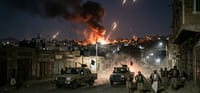
As the "Battle for Tehran" intensifies and 100,000 security forces flood the capital to prevent a coup, the absence of the Supreme Leader is becoming increasingly conspicuous. The regime's reliance on written statements and Russian intermediaries to confirm Mojtaba's presence suggests a leadership that is more focused on survival than governance. With the defense industrial base 70% destroyed and the military effectively neutralized, the pressure on the hidden leader to produce a diplomatic solution is mounting. However, as long as Mojtaba remains in the shadows, the Iranian public and the international community are left to wonder if the dynasty has truly come to an end in all but name.