As the diplomatic clock ticks down in Europe, a far more ominous timeline is being established within the halls of the Pentagon. Despite the "positive" signals coming out of Geneva, military planners in the Trump administration are preparing for the very real possibility that the talks are a stalling tactic by Tehran. Recent intelligence reports suggest that while President Trump publicly declared Iran’s key nuclear sites at Fordow, Natanz, and Isfahan "completely destroyed" during previous operations, these facilities remain inactive but potentially salvageable. This has led to a fierce debate within the White House: should the U.S. launch a limited strike to force concessions, or is it time for a broad campaign aimed at total regime change? With a surge of forces in the Middle East, the world is now looking at a military window that may only stay open for ten days.
The Targeted Strike vs. Total War
The Trump administration is currently weighing two distinct military paths. The preferred option appears to be a series of "targeted strikes" aimed specifically at Iran’s nuclear core and its ballistic missile infrastructure. The logic behind this approach is to strip Tehran of its offensive capabilities, limiting its ability to retaliate against Israel or U.S. bases, thereby forcing the Ayatollahs back to the table in a weakened state. However, if such strikes do not produce an immediate surrender, the President is reportedly considering a "broad campaign" that would target the leadership itself, including the Supreme Leader. "The military plans presented to Trump range from a limited strike to the overthrow of the regime," a senior American official told Al-Jazeera, adding that these plans include contingencies for the total collapse of the Iranian state.
The Ten-Day Limitation
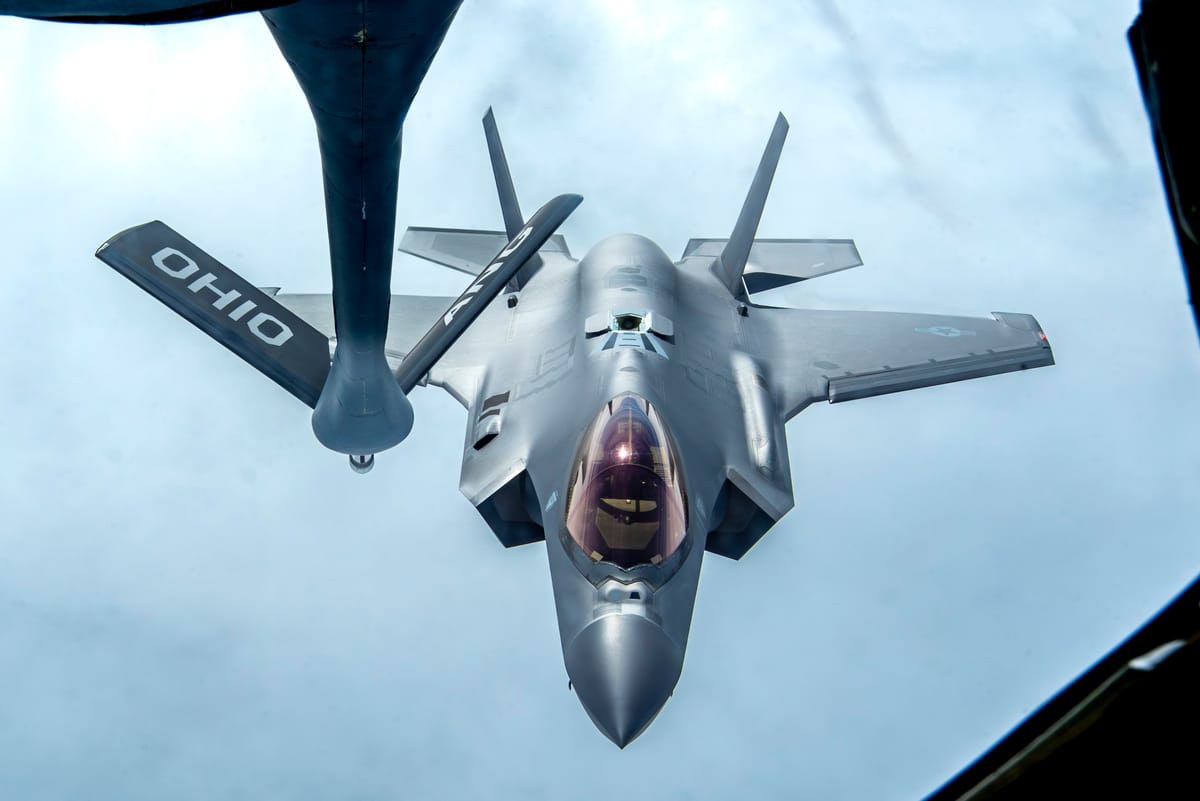
Despite the massive buildup of eighteen F-22 Raptors in Israel and carrier strike groups in the Gulf, American military officials have raised a significant concern: the U.S. may not be equipped for a prolonged aerial war. According to sources cited by the New York Times, the current force posture and munitions stockpiles in the region would support a high-intensity air campaign for only seven to ten days. This limitation places immense pressure on the White House to achieve its objectives quickly. This "sprint" strategy is part of why some advisors are pushing for Israel to take the lead in the initial strike, utilizing their proximity and specialized intelligence to hit "surgical" targets before the U.S. heavy bombers move in for the final blow.
Israel’s Critical Role
For Jerusalem, the threat of an Iranian missile "flood" is the most immediate concern. Israeli defense officials believe that the probability of an escalation is rising as the gap between American demands and Iranian red lines remains unbridged. While Iranian officials like Ibrahim Azizi insist that "Iran will not give up the principle of uranium enrichment," American planners are looking at the destruction of missile production plants as a way to "castrate" the regime’s ability to fight back. As the technical teams prepare for Vienna, the Pentagon’s "Hammer of Midnight" protocols remain on standby, ready to be activated the moment the diplomatic path is declared dead.