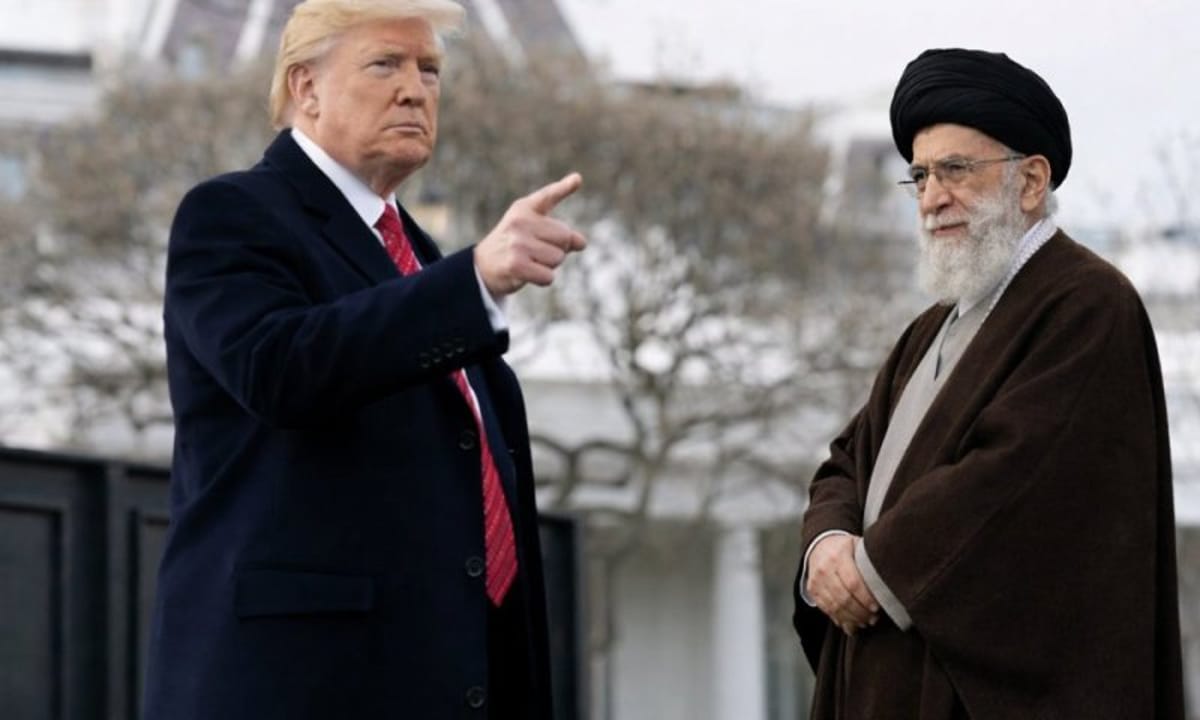
In a dramatic and rapidly shifting development, the high-stakes nuclear negotiations in Geneva have officially resumed after a tense three-hour pause that many feared signaled the beginning of a regional war. Amidst reports that President Trump’s advisors may prefer Israel to lead the initial strike against the Ayatollah regime, the Iranian delegation led by Abbas Araghchi returned to the hall on Thursday evening. The atmosphere remains razor-thin, with Iranian officials lashing out at what they describe as "extreme and unacceptable" American demands while simultaneously offering a new proposal intended to prove their program remains peaceful. As the "beautiful armada" maintains its position in the Gulf, the next few hours of dialogue represent what experts believe is the final barrier between a diplomatic breakthrough and a catastrophic military escalation.
The Resumption of Dialogue
The talks were back in session by 6:30 PM local time in Switzerland, following a brief but worrying hiatus. The Iranian Ministry of Foreign Affairs confirmed the return to the table, though their spokesperson was quick to voice suspicion over the American posture. "The contradictory statements of some officials in the United States continue to arouse doubts and suspicions," the spokesperson stated, adding that "our conduct in the negotiations is clear, and for us, the emphasis is on the result." This return to the hall suggests that despite the massive gap between the two sides, neither Washington nor Tehran is yet willing to pull the trigger on a total war.
Rejection of "Zero Enrichment"
Despite returning to the table, the Iranian regime has delivered a stinging rebuke to the Trump administration’s core requirements. A senior Iranian official informed Al-Jazeera that the demand for "zero enrichment," the total dismantling of nuclear facilities, and the removal of all uranium stockpiles has been "completely rejected." Instead, Tehran has proposed a "temporary freeze" on high-level enrichment while insisting on their right to maintain low-level, monitored enrichment for peaceful purposes. Sources in Tehran told the Qatari newspaper Al-Araby Al-Jadeed that the American insistence on permanent "sunset-free" restrictions is an attempt to sabotage the negotiations. "This behavior of the Americans proves a lack of seriousness," the sources claimed, asserting that they will not retreat from their use of nuclear energy.
A Shadow War on the Horizon
While the diplomats argue over technicalities, the military pressure continues to mount. New reports suggest that some within Trump’s inner circle are advocating for Israel to take the lead in any potential strike, a move that would provide the U.S. with strategic depth and plausible deniability. Experts speaking to the Wall Street Journal noted that while Iran’s program has not made massive leaps since the previous strikes, the window for a non-military solution is closing. Adding to the tension, a fire broke out at a plastics raw material plant in Abadan, Iran, during the negotiation pause, raising eyebrows about potential sabotage. As the second session of the day is expected to last up to three hours, the world is watching to see if the "creative solutions" promised by Omani mediators can bridge the chasm between a permanent nuclear ban and a defiant Iranian regime.