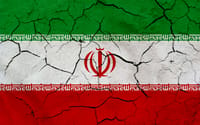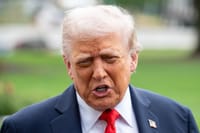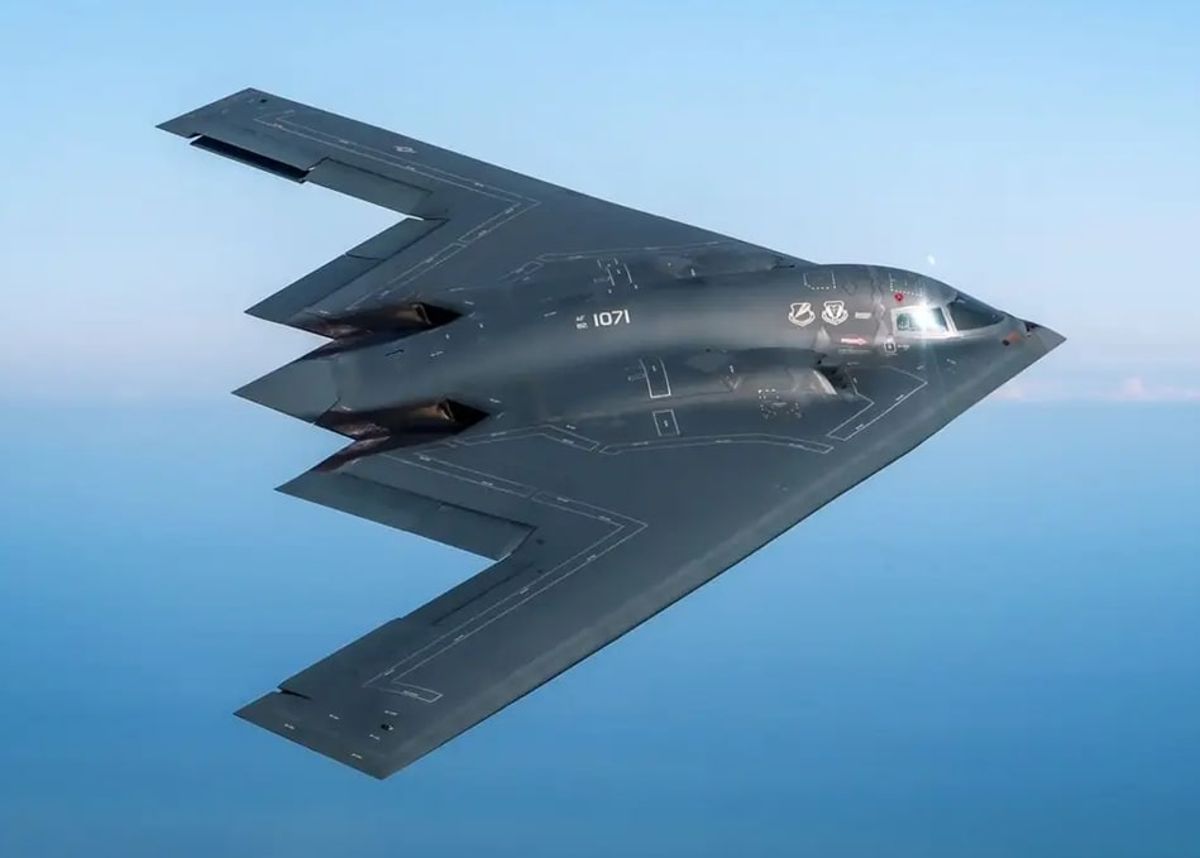
A heavy fog of ambiguity has settled over Geneva as the third round of high-stakes negotiations between the United States and Iran have been paused after just 3 hours. Brokered by Oman and attended by IAEA chief Rafael Grossi, the talks were being described by Tehran as a final "test of diplomacy" before the region slides into a total war. While American envoys Jared Kushner and Steve Witkoff have remained silent on the specifics of the proposals, Iranian state media has launched a coordinated messaging campaign to discredit President Trump’s recent public statements. From accusations of "big lies" regarding protest casualties to warnings that the cost of an American strike would far outweigh any benefits, the Iranian regime is attempting to reshape the narrative even as the "beautiful armada" stands ready in the Persian Gulf.
A Crisis of Perception
The Iranian mouthpiece Nour News, which is closely linked to the Supreme National Security Council, has warned that the negotiation table is currently facing a "perception crisis" rather than just technical disagreements. The agency specifically took aim at recent statements made by the Trump administration, including Steve Witkoff’s claim that Iran is only a week away from having enough material for a nuclear bomb and Trump's assertion that 32,000 people were killed in Iranian protests. Nour News explicitly described these cases as "inaccurate" and "big lies," adding that "if Tehran perceives these statements as a sign of dishonesty or an attempt to apply pressure, the minimum level of trust to advance the negotiations will decrease." They further warned that if Washington bases its military policy on these "exaggerated narratives," the likelihood of a fatal miscalculation increases.
The Fragile Balance of Power
In a more analytical tone, the conservative Kayhan newspaper, which reflects the views of the regime's hardliners, argued that the current ceasefire is only holding because of cold, calculated logic. According to Kayhan, those who believe a war is inevitable because "Iran is weakened" are failing to account for independent variables such as Iran’s drone and missile capabilities, national cohesion, and regional allies. The paper stated that the enemy is "cheeky" but not "stupid," and has not attacked yet because the "calculation showed that the cost of violating the ceasefire is greater than its benefit." However, the editorial warned that these calculations are dynamic and fragile, and could collapse with a single wrong move.
The Regional Stakes
The official Iranian news agency, IRNA, framed the Geneva summit as a crossroads for the entire world’s non-proliferation system. They argued that the meeting was a test of whether the West prefers diplomacy over a war that would destroy regional stability. "The signals for flexibility in negotiations from Iran must be correctly received by the US for this round to end successfully," IRNA stated, noting that a failure would lead to "dangerous uncertainty." As the delegates remain behind closed doors, Omani Foreign Minister Badr Al-Busaidi attempted to strike a positive note, claiming that participants are showing "unprecedented openness" to creative solutions. Yet, with both sides accusing each other of dishonesty and military preparations reaching their peak, the "constructive spirit" in Geneva seems to have vanished before it even started.