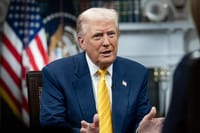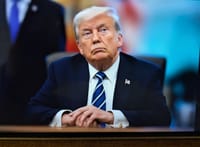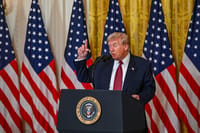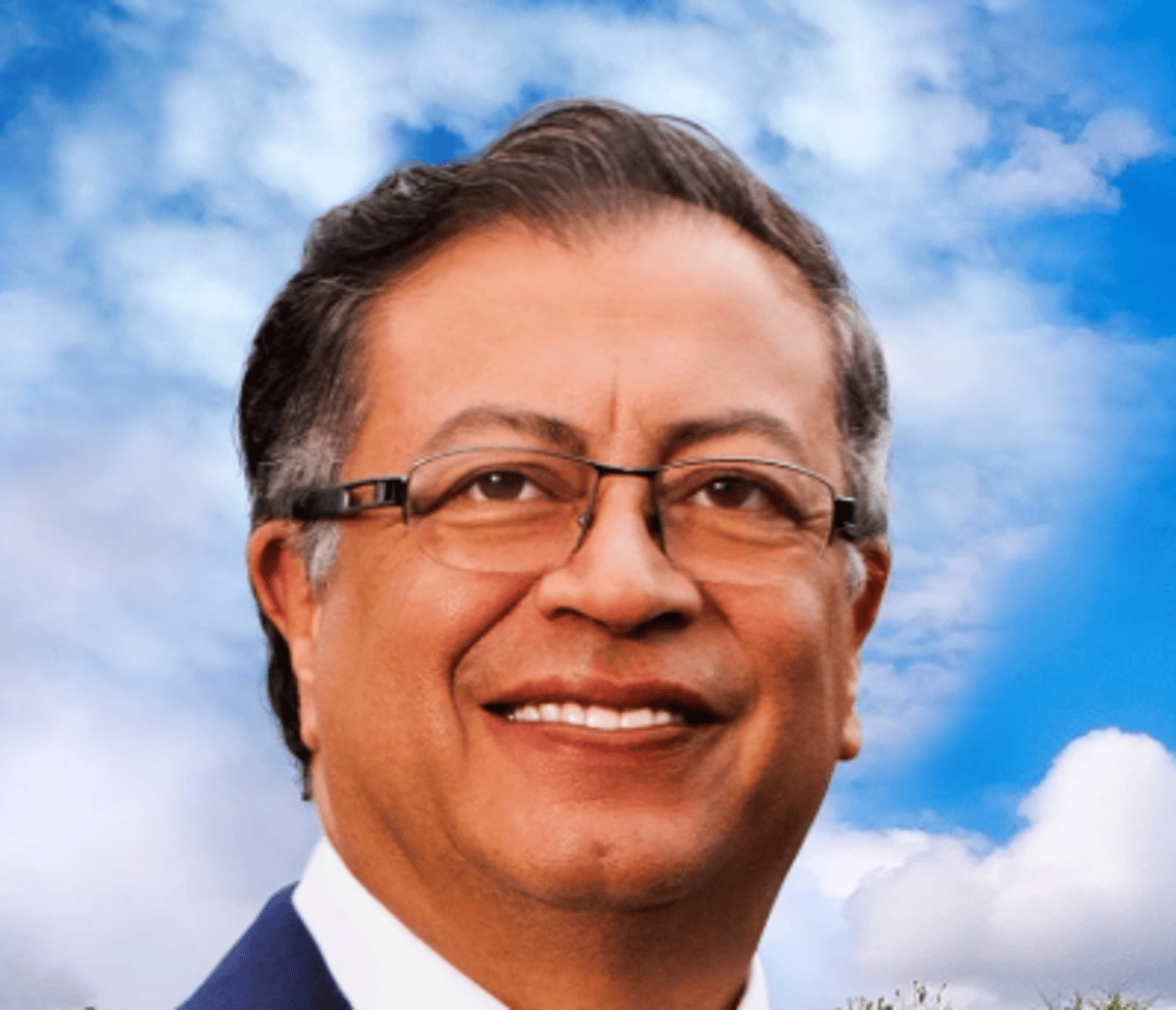
In a dramatic escalation of tensions between the United States and Latin America, Colombian President Gustavo Petro declared he would return to arms to defend his country's sovereignty if threatened by U.S. military action, following President Donald Trump's controversial intervention in Venezuela and veiled warnings toward Colombia.
Petro, a former M-19 guerrilla fighter who renounced violence after a 1989 peace accord, posted on X: "Although I have not been a career military man, I know war and clandestinity. I swore never to touch a weapon again after the 1989 peace pact, but for the fatherland, I will take up arms again, though I do not wish to."The statement came amid a broader regional backlash to the U.S. operation on January 3, which saw American forces capture Venezuelan leader Nicolás Maduro and his wife, extraditing them to New York on narcoterrorism charges.
Trump, speaking from Mar-a-Lago, announced plans to temporarily oversee Venezuela's oil industry to enforce reforms, a move decried by critics as neo-imperialism.
Trump then turned his sights on Colombia, accusing Petro of being a "sick man" running a "very sick" country plagued by drug trafficking, and hinting at potential intervention if Colombia did not curb cartel activities threatening U.S. borders.Petro fired back, rejecting what he called an "illegitimate threat" and demanding respect for Colombia's independence. "Colombia is a sovereign country and will not accept threats from anyone," he asserted in follow-up posts, framing Trump's rhetoric as a direct assault on Latin American autonomy.
As Colombia's first leftist president, Petro has pursued progressive policies, including peace talks with rebel groups and a shift away from U.S.-backed anti-drug strategies, which have strained relations with Washington.
The exchange has ignited global debate, with Latin American leaders like Brazil's Lula da Silva and Mexico's Claudia Sheinbaum condemning the U.S. actions as violations of international law. U.N. Secretary-General António Guterres urged restraint, while European allies expressed concern over the unilateral move. On the U.S. side, Secretary of State Marco Rubio defended the operation as vital for national security, dismissing international criticism.
The White House has yet to respond directly to Petro's declaration.