A defense deal that would have put Israeli-designed Iron Dome components on a German assembly line is running into an unexpected obstacle, one of Volkswagen's own largest shareholders.
Volkswagen has spent months negotiating with Rafael Advanced Defense Systems, the state-owned Israeli firm behind the Iron Dome missile defense system, over a plan to repurpose the automaker's struggling Osnabruck plant in Lower Saxony. The factory currently builds the T-Roc Cabriolet, but that production line is set to shut down by the end of 2027, leaving roughly 2,300 workers without a clear future. Rafael signed a letter of intent in late April to take over the site and manufacture Iron Dome related hardware there, among them heavy transport trucks, missile launchers and power generators rather than munitions themselves, a distinction Volkswagen has been careful to stress given Osnabruck's postwar pacifist identity.
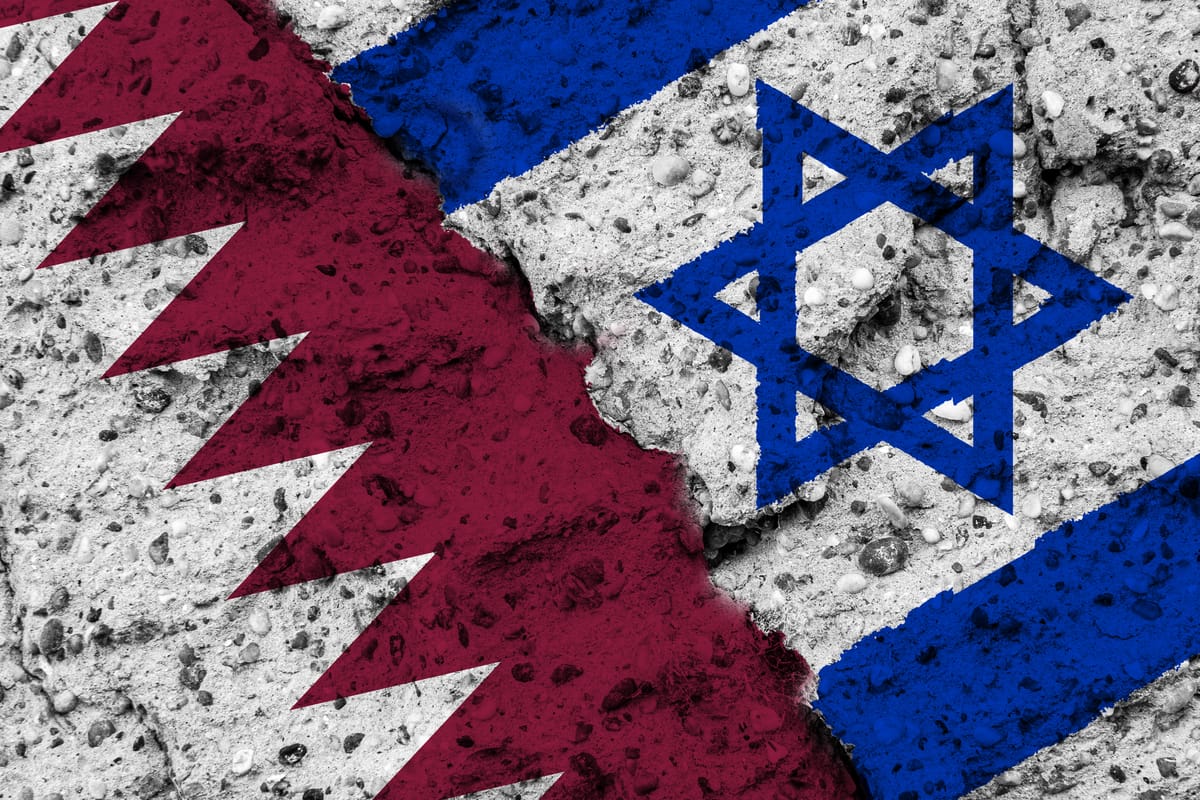
Reuters reported on June 17 that the Qatar Investment Authority, which controls 17 percent of Volkswagen's voting rights and holds two seats on its supervisory board, has objected to the talks. As Volkswagen's third largest shareholder behind only the Porsche family holding company and the German state of Lower Saxony, Qatar's fund carries real weight in the boardroom, and three sources familiar with the matter said its concerns center squarely on Doha's fraught relationship with the Jewish state rather than any doubt about the plan's business logic.
The bind Qatar finds itself in is a familiar one. Doha has no formal diplomatic ties with Israel and has instead positioned itself as a back channel mediator between Israel and Hamas, whose political office sits in the Qatari capital. Public sympathy for the Palestinian cause runs deep domestically, and Qatari leadership has long conditioned any normalization with Jerusalem on progress toward Palestinian statehood, a posture that puts it well outside the Abraham Accords framework that the UAE, Bahrain, Sudan and Morocco signed onto in 2020. A sovereign fund with two board seats effectively greenlighting an Israeli defense manufacturing project would sit uneasily against all of that.
For Volkswagen, the stakes go beyond one factory. The company posted a 53.5 percent drop in operating profit for fiscal 2025, down to about 8.9 billion euros, and net profit fell 44 percent to roughly 6.9 billion euros. Selling off idle production capacity to defense manufacturers has become a core piece of its turnaround strategy as European car demand stays soft, and Osnabruck was seen as one of the more credible test cases. Rafael, for its part, is looking to expand its own production capacity, tighten its supply chains and establish a European foothold, goals that made the German site attractive in the first place.
Two sources told Reuters that one path around the impasse involves bringing the state of Lower Saxony, which by law holds between 11.8 and 12.7 percent of Volkswagen's share capital but is granted a full 20 percent of voting rights, into a joint venture structure alongside Volkswagen and Rafael. The idea would be to formally distance Qatari capital from direct involvement in an Israeli defense project while still saving the plant and its workforce. Lower Saxony state premier Olaf Lies, who sits on Volkswagen's supervisory board, would not comment directly on the Qatar question when asked but pressed the company to find a long term solution for Osnabruck. He said the state would offer constructive support where appropriate, and that Volkswagen has committed to presenting its decisions on the plant's future in a timely manner.
As of this writing, no agreement has been reached, and spokespeople for Volkswagen, its supervisory board and the Qatar Investment Authority have all declined to comment publicly on the dispute. The clock, however, is not particularly forgiving. With no passenger vehicle program lined up to replace the T-Roc Cabriolet and production scheduled to end next year, Osnabruck's 2,300 employees are waiting on a resolution that, for now, remains hostage to geopolitics far beyond the factory floor.
For more on how the Gulf's positioning toward Israel continues to shape events well beyond the battlefield, see JFeed's [Middle East coverage](https://www.jfeed.com/middleeast).