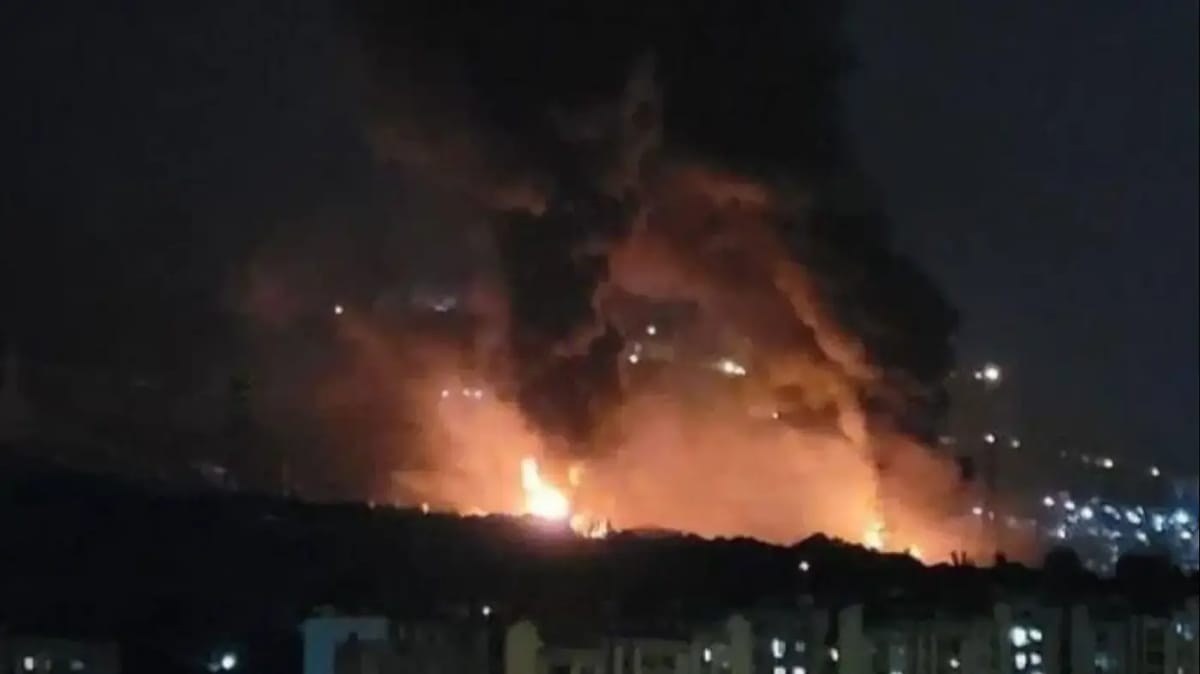
A massive wave of heavy aerial bombardments has ignited the southern regions of Iran, as American forces execute extensive operations against strategic infrastructure. The heavy strikes occurred concurrently with the national funeral procession of the deceased Supreme Leader Ali Khamenei, who was killed during initial operations in April. The military developments have triggered emergency defense protocols across multiple neighboring Gulf nations as regional authorities brace for a widening theater of war.
Local communication networks confirmed that multiple loud explosions echoed through the key coastal hubs of Bushehr, Chabahar, Ahvaz, and Konarak on Thursday evening. State media outlets verified that regional air defense batteries were activated to intercept low flying targets, while state representatives confirmed that a Revolutionary Guard naval officer was killed by hostile drones. Despite widespread rumors of structural damage across the strategic oil terminals of Kharg Island, official defense communiques denied that the installation had been breached.
The heavy American bombardment triggered immediate retaliatory action from Iranian military wings, who dispatched missile salvos and drone swarms across the Persian Gulf. Emergency sirens were activated in Bahrain after local forces detected suicide drones targeting the Isa Air Base, where American personnel are stationed. Simultaneously, the Kuwaiti military announced its air defenses successfully engaged hostile missiles, prompting the government to issue an official condemnation against repeated violations of its sovereign territory.
The military escalation occurs alongside sharp political warnings delivered by Western leadership during the second day of the NATO summit in Ankara, Turkey. President Donald Trump addressed the assembly directly, describing the extensive degradation of the adversary's remaining combat capabilities. "Their leaders disappeared. Then they had another group of leaders, they disappeared. Now they have another group of leaders, and maybe they will also disappear. Who knows?", Trump stated during his address, while referring to the regime as a cancer that must be cut out.
The American administration emphasized that previous diplomatic understandings have officially collapsed, warning that future maritime disruptions will face immediate consequences. Trump revealed that the latest bombardment completely dismantled the regime's active aviation units, explaining that "they had hundreds of planes, they all do not exist anymore, they are all lying burned on the runways, they were completely destroyed." He added that their radar is gone, their fighting capability is low, and only a tiny percentage of mobile launchers remain.
The White House signaled that hidden diplomatic channels remain open to halt the current war, though field commanders maintain a high level of operational readiness. Iranian chief negotiators countered the warnings by asserting that the Strait of Hormuz will only open under local arrangements rather than external threats. Trump dismissed the opposition's capabilities, concluding that the war will not extend into a prolonged phase because "when they attack we will attack and everything will end quickly."