Qatar has been quietly pulling strings to keep the Iranian regime afloat amid massive protests.
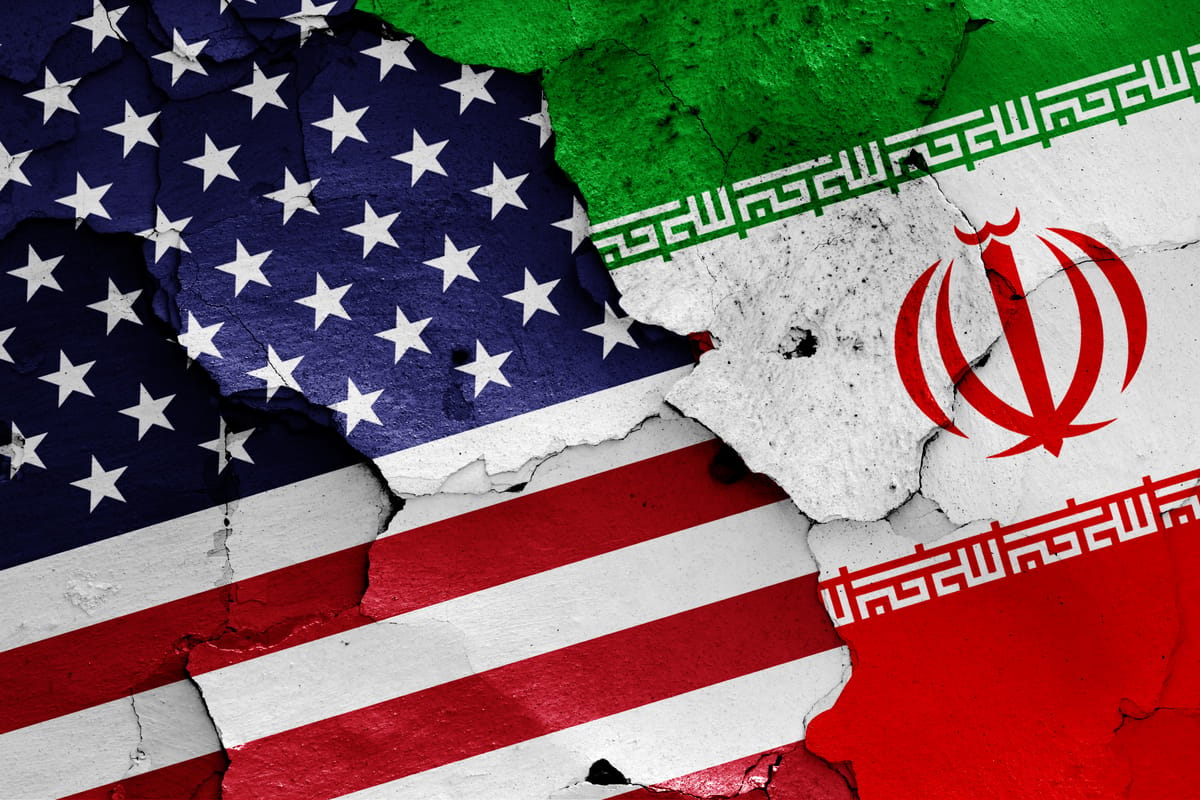
While Iran spearheads the "Shiite axis," its Sunni Gulf neighbors, including Qatar, Saudi Arabia, and Oman, are whispering (or shouting) in Washington's ear: "Don't rock the boat."
Why? Stability or more precisely, avoiding the chaos of regime change that could unleash who-knows-what. But Qatar's got an extra ace up its sleeve: the massive South Pars/North Dome gas field, the world's largest, straddling the Iran-Qatar border. Any upheaval in Tehran could jeopardize Doha's control over its slice, so they'd rather prop up a weakened but familiar mullah than gamble on newcomers (looking at you, potential American investors).
Flashback to the protest crackdown: Qatar's Prime Minister fielded direct calls from Iran's Foreign Minister, positioning Doha as a "peace broker." In reality? It was a masterclass in stalling, pressuring the Trump administration to hold off on military action, giving Iran breathing room to quash demonstrators.
Meanwhile, Al Jazeera, Qatar's media megaphone, kept coverage on a tight leash: minimal, dry reports that downplayed regime brutality, even as the world watched in horror.Israeli Foreign Minister Gideon Sa'ar called it out last weekend: Al Jazeera was the only international outlet broadcasting live from Tehran during internet and power blackouts, streaming smooth traffic and regime mouthpieces denying the unrest. And when US forces partially evacuated Qatar's Al Udeid base amid tensions, Doha swooped in with luxury hotel stays for the troops (and Brits too), touting itself as America's indispensable ally while subtly undermining escalation.
At the heart of it all? Economics and geopolitics intertwined like a Persian knot. Qatar sees Iran as a strategic buddy against common foes, like Israel, coordinating on Gaza, Lebanon, and beyond. Plus, Doha's comfortable with Islamist regimes as long as they don't threaten its throne, leveraging them for global clout. They're even angling to mediate a revamped nuclear deal under Trump, curbing Iran's program while keeping everyone at the table.The Saudis and Omanis are in on the anti-strike chorus, arguing it'd tank energy markets and their wallets.
By playing diplomat, media manipulator, and lobbyist, these Gulf states score brownie points with both Washington and Tehran, delaying doom for the regime and racking up favors.
In this revamped Middle East chessboard, from Gaza to Tehran, the preference is clear: Better the devil you know (a hobbled Islamist government) than a wild card revolution.
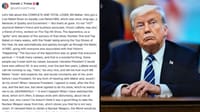
For Qatar, it's not just survival, it's a goldmine of geopolitical wins. As Trump himself tweeted, "Iran was a great country until these monsters arrived. Keep protesting," but with Doha's backchannel magic (and money), those monsters might just hang on a little longer.
Walla contributed to this article.