
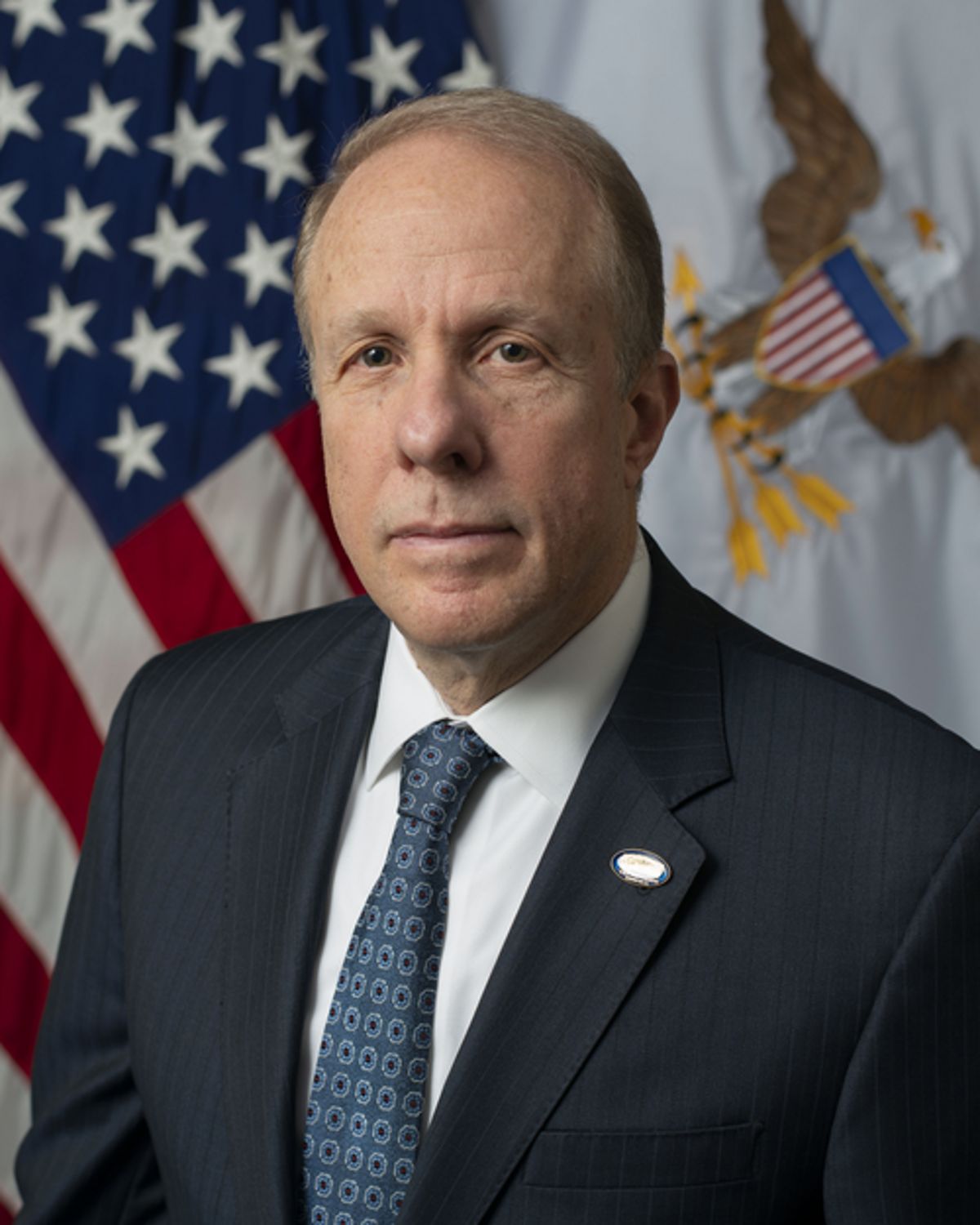
In a city obsessed with the spotlight, Steve Feinberg is a ghost. You won’t find him on the Sunday morning talk shows, and he isn't interested in a viral X thread. Yet, as the Deputy Secretary of War, Feinberg is the man currently holding the keys to the U.S. rearmament strategy that is redefining American power.
If Secretary Pete Hegseth is the voice and vision of the Pentagon, Steve Feinberg is its engine.
Long before he walked the halls of the Pentagon, Feinberg was a legend on Wall Street. As the co-founder of Cerberus Capital Management, he earned a reputation as a master of the "turnaround", taking complex, underperforming organizations and breathing new life into them.
But he also has a background with the Armed Forces, while studying in Princeton he was part of the Reserve Officers' Training Corps.
Now, he’s applying that same surgical precision to the Department of War. In the face of "Operation Epic Fury" Feinberg isn't interested in bureaucratic red tape. He views the military's supply chain through the lens of a CEO:
- Efficiency over ego: He has famously pressured defense giants to prioritize production lines over shareholder dividends.
- The "War for Talent": He has leveraged his deep ties to the veteran community to ensure those who served have a seat at the decision-making table.
The headlines today are dominated by the Pentagon’s request for a massive budget increase, but for Feinberg, it’s not just about the money, it’s about velocity.
"Steve doesn't just want more missiles; he wants them yesterday," says one senior defense analyst. "He understands that in modern warfare, the industrial base is the front line."
Under his watch, the production of Tomahawk missiles is scaling to levels not seen in decades. He is the bridge between the grit of the battlefield and the innovation of the private sector, personally leading the charge to ensure American troops, and allies, never enter a "fair fight."
For Feinberg, this mission is deeply personal. As a member of the American elite who has always preferred the "private" in private equity, his move into public service was driven by a core belief in American exceptionalism and the necessity of a strong defense in an increasingly dangerous world.
While others are engage in political theater, Feinberg works the phones with CEOs from Lockheed Martin and RTX, solving the logistics of the next decade of American security.
As the U.S. navigates the complexities of the Middle East and beyond, having a "business-brain" at the helm of the military's operations is a game-changer. Feinberg isn't just a government official; he is the architect of the new American arsenal. He is the reminder that sometimes, the most powerful man in the room is the one who doesn't feel the need to say a word.