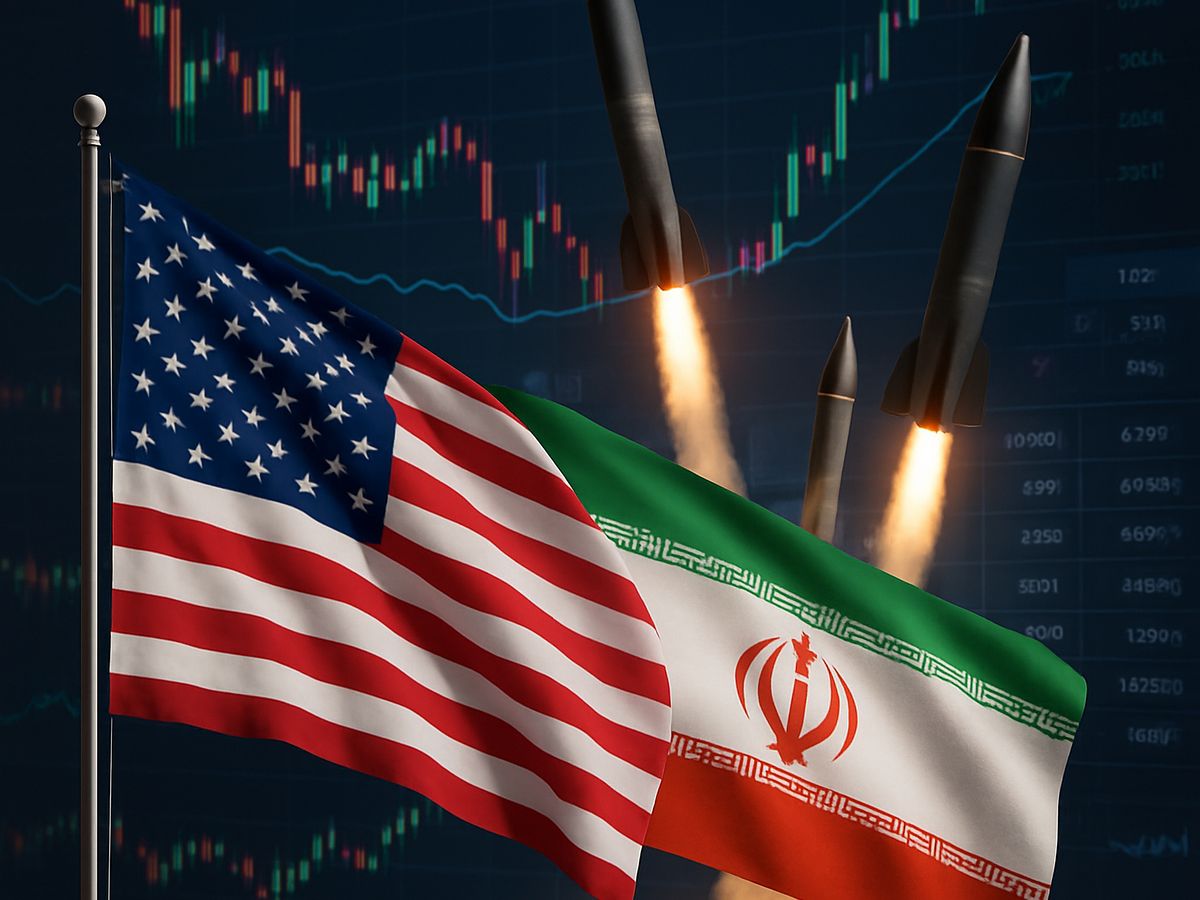
The current period of relative quiet between the United States and Iran may be short-lived. According to Israeli security experts, the "breathing room" provided by the recent ceasefire was merely a diplomatic pause, and all signs now point toward a return to active conflict.
Major General (Res.) Yaakov Amidror, a former Israeli National Security Advisor, discussed the situation this morning on Israel’s Gali Israel radio. Amidror noted that the Americans have paused military momentum three times recently, in Gaza, Lebanon, and Iran, to allow for diplomatic efforts. However, he emphasized that in the Iranian context, the U.S. has already effectively denied the Iranians control over the Strait of Hormuz.
According to Amidror, if diplomacy fails to produce a permanent shift in Tehran's behavior, Washington is fully prepared to pivot back to a military campaign.
The Looming Escalation: Experts Weigh In
Amidror is not alone in his assessment. Across the Israeli security landscape, analysts are identifying "disturbing signs" that the regional calm is fraying. Zvi Yehezkeli, a prominent Israeli commentator on Arab affairs, recently issued a chilling warning, stating that Iranian-backed forces are regrouping and that a "Nukhba-style" threat remains a near-term possibility if the pressure on Iran is not maintained.
Other security experts have noted that the closure of the Strait of Hormuz by Iran was a "red line" for the global economy. They argue that the international community, led by the U.S., cannot allow Iran to hold the world's energy supply hostage, making a military response almost inevitable if the blockage continues.Recent reports also highlight "disturbing movements" within Hezbollah in Lebanon, suggesting that Iran’s proxies are coordinating for a potential multi-front flare-up as the diplomatic window closes.
The Trump Strategy: Responding to the Hormuz Blockade
As the situation intensifies, all eyes are on how President Trump will respond to Iran's attempts to shutter the Strait of Hormuz. Experts outline several potential paths for the administration:
- Direct Military Intervention: The most severe option involves U.S. Naval and Air Force strikes to physically reopen the shipping lanes and destroy the Iranian assets responsible for the blockade.
- "Maximum Pressure" 2.0: A return to even more aggressive economic sanctions, combined with a total naval blockade of Iranian oil exports, designed to cripple the regime until it yields.
- Targeting Nuclear Facilities: Some analysts believe that if Iran escalates by closing the Strait, Trump may see it as the ultimate justification to strike Iran's nuclear infrastructure, aiming to solve two strategic threats at once.
With the ceasefire deadline approaching, the consensus among Israeli experts is clear: the path of diplomacy is narrowing, and the drums of war are growing louder.