A senior Russian general was killed Monday morning in a car bombing in Moscow, prompting an immediate investigation by Russian authorities and renewed scrutiny over a series of targeted killings inside the capital since the start of the war in Ukraine.
Russia’s Investigative Committee said Lt. Gen. Fanil Sarvarov, 56, died after an explosive device planted beneath a vehicle detonated in a parking area near an apartment building in southern Moscow. Sarvarov headed the armed forces’ operational training department, a senior role responsible for preparing Russian units for combat operations.
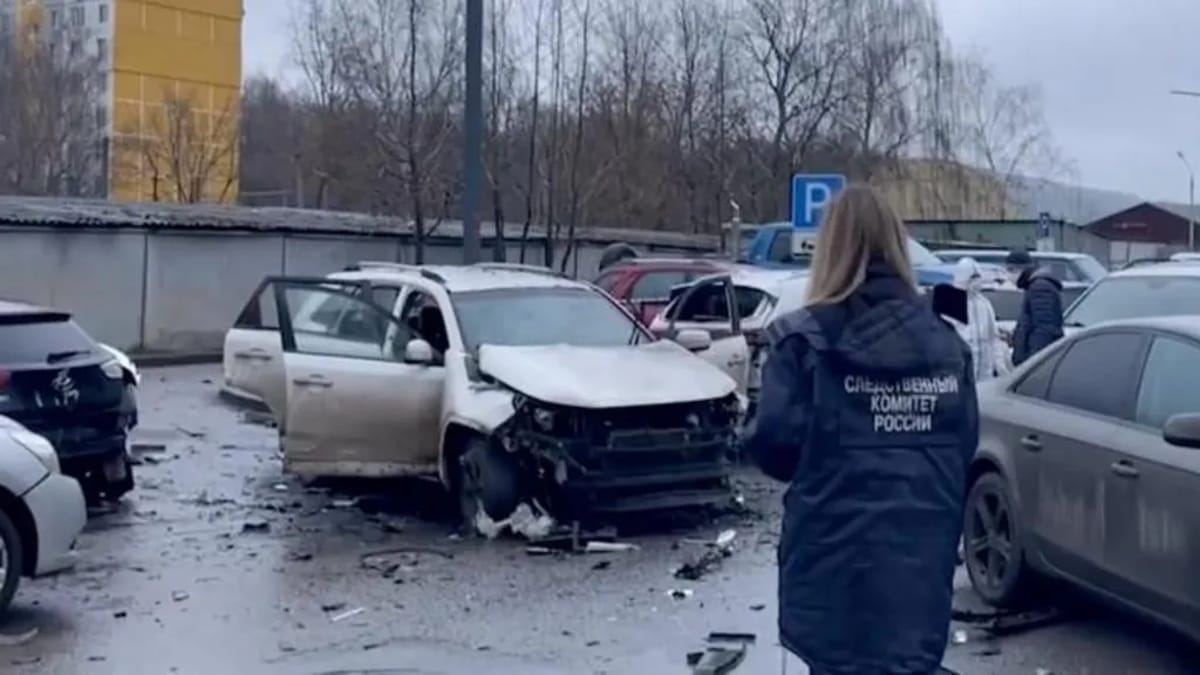
According to investigators, the explosion occurred shortly after Sarvarov arrived at or left the residential area. Images from the scene showed a severely damaged white car with its doors blown outward, surrounded by other parked vehicles. No additional casualties were reported.
The Investigative Committee said multiple lines of inquiry are being examined, including the possibility that Ukrainian intelligence services were involved in planting the device. Ukrainian officials have not commented on the incident. As a matter of policy, Kyiv rarely confirms or denies involvement in targeted attacks inside Russia.
The killing adds to a growing list of assassinations of Russian military figures since Moscow launched its full-scale invasion of Ukraine in February 2022. In April, Gen. Yaroslav Moskalik was killed in a similar car bomb attack in Moscow. In December 2024, Gen. Igor Kirillov died when an explosive device concealed in an electric scooter detonated near his residence.
In Kirillov’s case, a Ukrainian source later told the BBC that Ukraine’s security service was responsible, though no official acknowledgment was made.
The latest attack is likely to intensify security concerns within Russia’s military leadership and further highlight Moscow’s vulnerability to targeted strikes far from the battlefield.