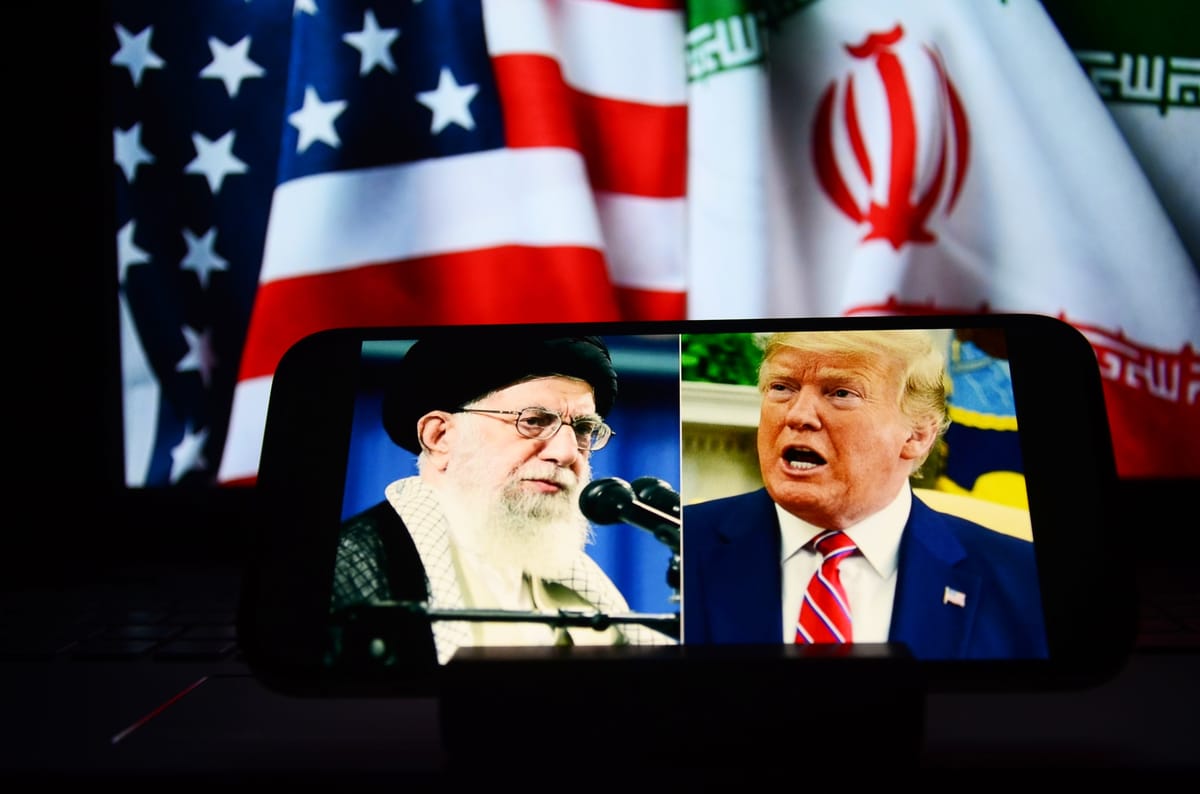
Beneath a public facade of defiance and military posturing, the leadership of the Islamic Republic is reportedly gripped by a state of "unusual isolation" and internal panic. According to reports from regional sources and intelligence analysts, the atmosphere within the highest echelons of the Iranian regime has shifted from strategic confidence to defensive paranoia.
A source close to the Islamic Revolutionary Guard Corps (IRGC) has detailed a series of extraordinary security measures recently implemented to protect the regime’s inner circle, including President Masoud Pezeshkian.
- Electronic Blackout: Mobile phones and all personal electronic devices have reportedly been banned from high-level meetings and sensitive IRGC facilities. Visitors are now prohibited from carrying even basic digital equipment into government buildings, a move designed to thwart sophisticated electronic surveillance and potential "pager-style" kinetic operations.
- Presidential Isolation: President Pezeshkian and other top officials are said to be operating under heightened security protocols that limit their physical movements and restrict their interactions to a "vetted few" to prevent intelligence leaks.
- Fear of the "Next Phase": Internal discussions have reportedly pivoted toward the fear of targeted U.S. or Israeli actions, with leaders increasingly worried that their current diplomatic maneuvers may not be enough to stall a kinetic confrontation.
This internal stress coincides with public admissions from Iranian officials that the system is facing a "historical turn."
Mohammad Bagher Ghalibaf, Speaker of the Parliament, warned on February 3 that "negligence or miscalculation" could carry "enormous costs" for the system’s survival.
Analysts point out that the regime's fear is dual-pronged. While the U.S. "armada" looms in the Persian Gulf, the memory of the "January Uprising", the bloodiest protests since 1979, remains fresh. Leadership is reportedly terrified that a limited U.S. strike would serve as the catalyst for the public to return to the streets.
The reported "panic" explains Iran's recent diplomatic zigzagging. After initially dismissing U.S. demands, Tehran has signaled a willingness to discuss its ballistic missile program in Muscat, a concession many view as a "delay tactic" born of necessity rather than a change of heart. As the rial hits record lows and internal dissent remains at a boiling point, the clerical establishment appears to be "bracing for what comes next" while trying to project an image of calm to its regional proxies.