Even Basij Can't 'Help'
As Iran Protests Grow, Pezeshkian Appoints Cruel Terrorist to Put an End to Them
The protests highlight broader discontent with the Islamic Republic's policies, though the Revolutionary Guards' grip on power remains firm. Analysts say the regime's response could determine whether the unrest fizzles or escalates further.

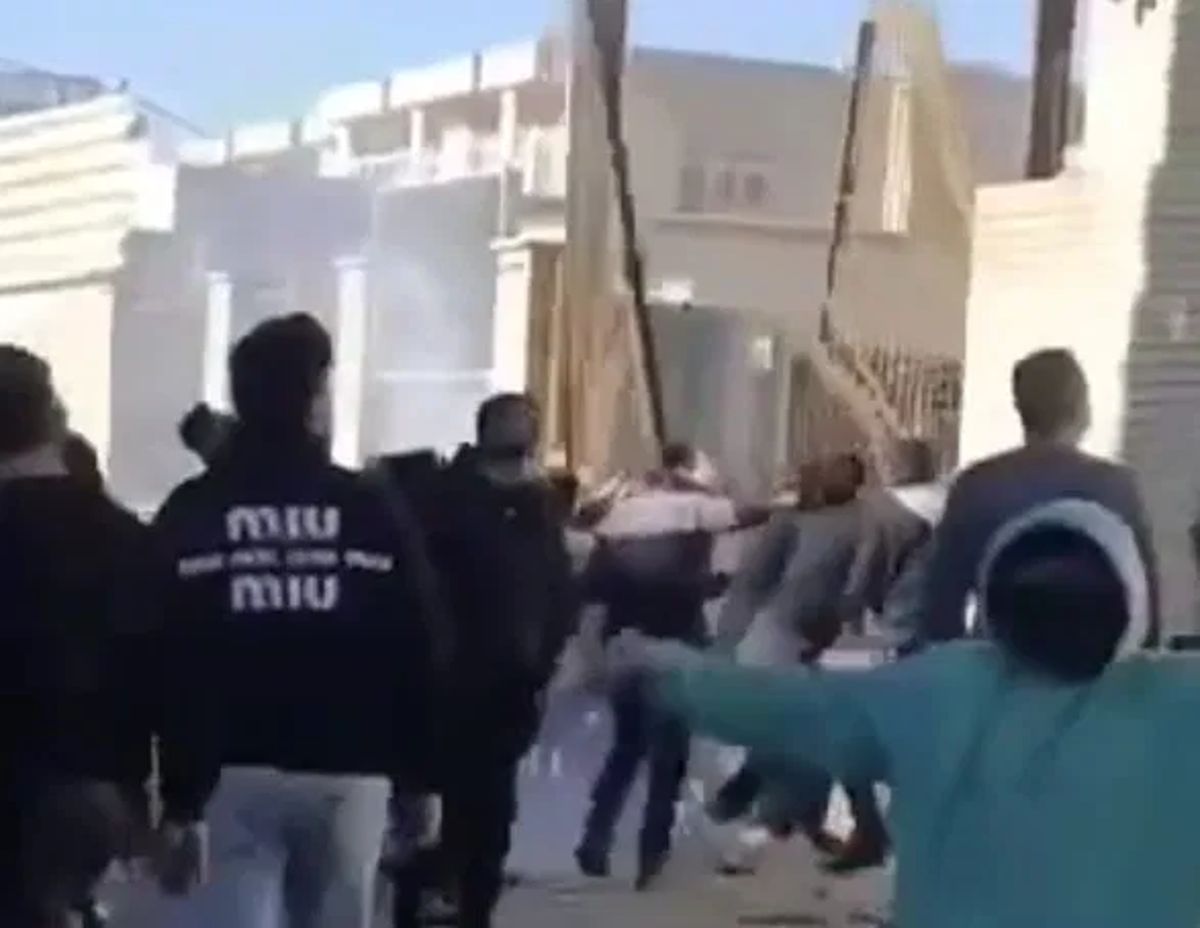
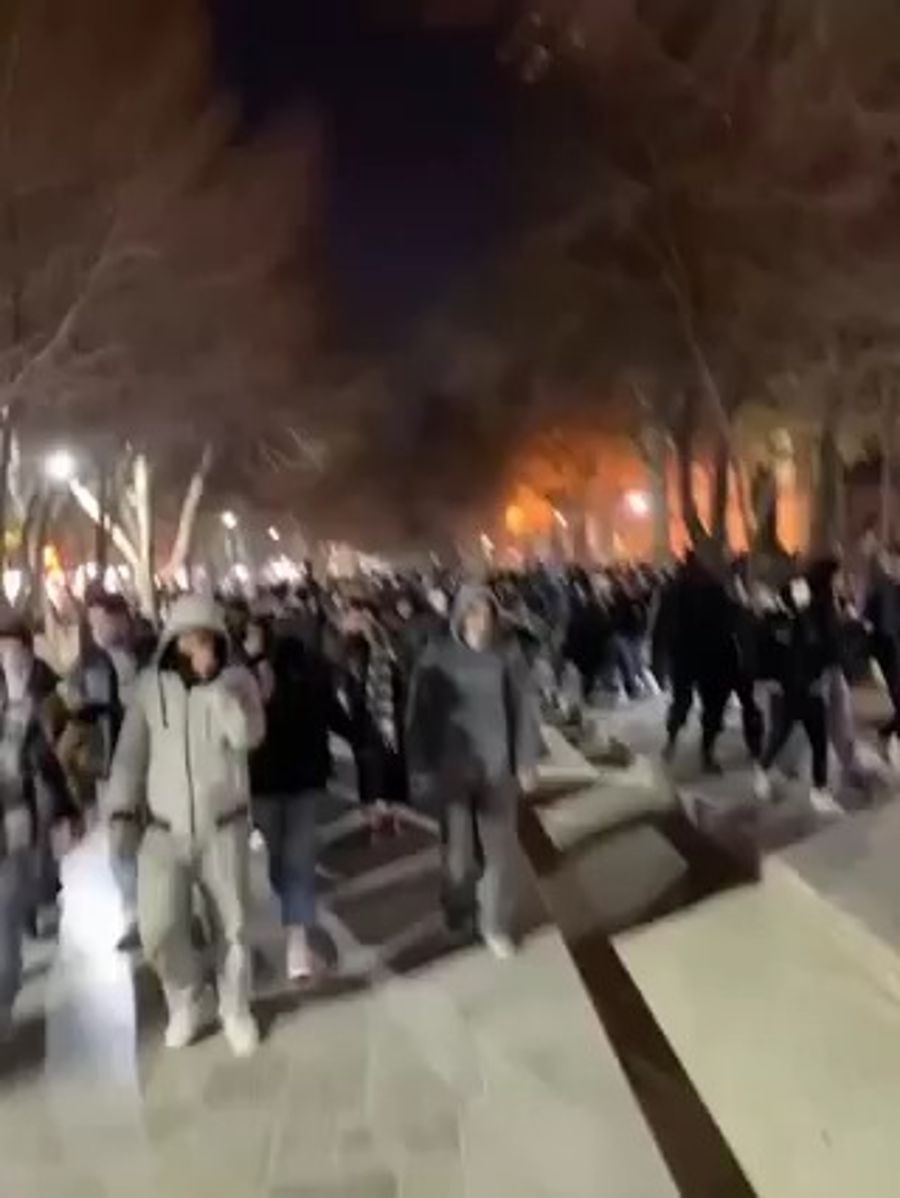
Protests sweeping Iran have intensified amid soaring food prices and a historic plunge in the value of the local currency, with demonstrators attempting to storm a governor's office in the southern city of Fasa on Tuesday, leading to clashes and reported casualties.
A group of protesters tried to breach the governor's building but were repelled by regime security forces, according to reports from Arab affairs commentator Zvi Yehezkeli. The incident underscores the growing volatility of the demonstrations, which erupted earlier this week and have spread across multiple cities.
In a move signaling a hard-line stance against the unrest, Iranian President Masoud Pezeshkian appointed Ahmad Vahidi as deputy commander of the Islamic Revolutionary Guard Corps. Vahidi, wanted by Interpol for his alleged role in the 1994 bombing of a Jewish community center in Buenos Aires, Argentina, that killed 85 people, is seen as a key planner in the attack attributed to Iran-backed militants.The appointment comes as the regime faces mounting pressure from economic woes, including rampant inflation, food shortages, power outages, water scarcity and rising unemployment.
"People are selling organs to feed their children," said Prof. David Menashri, an Iran expert, in an interview on Kikar FM. "They're asking where this country is headed."Menashri described the protests not as a fleeting outburst but as the latest phase in a prolonged erosion of the regime's legitimacy. He noted a recent lull in demonstrations after authorities attempted to rally public support around external conflicts, unusually invoking Iranian nationalism—a concept historically downplayed in favor of Islamic ideology. "Their ideology is Islamic, and according to Islam, there are no nation-states," Menashri explained. "Suddenly, they're talking about Iran."
Despite these efforts, the economic crisis has fueled renewed anger. Menashri warned against underestimating the regime's resolve, pointing to a doubling of executions in recent months amid heavy suppression. "This is a regime willing to fight its own people in the name of ideology," he said.
An account on X (formerly Twitter) attributed to Israel's Mossad intelligence agency posted Vahidi's photo following his appointment, stating: "The situation of the Iranian regime is worsening day by day." It added support for the protesters: "In the fight against darkness, we stand with the light, with the people of Iran," alongside footage of the demonstrations.
Menashri cautioned that while some Iranians express sympathy toward Israel, deep-seated antisemitism persists after decades of indoctrination. He likened Iran to a powder keg, with simmering tensions held in check by fear and repression, but history, he noted, is full of surprises.