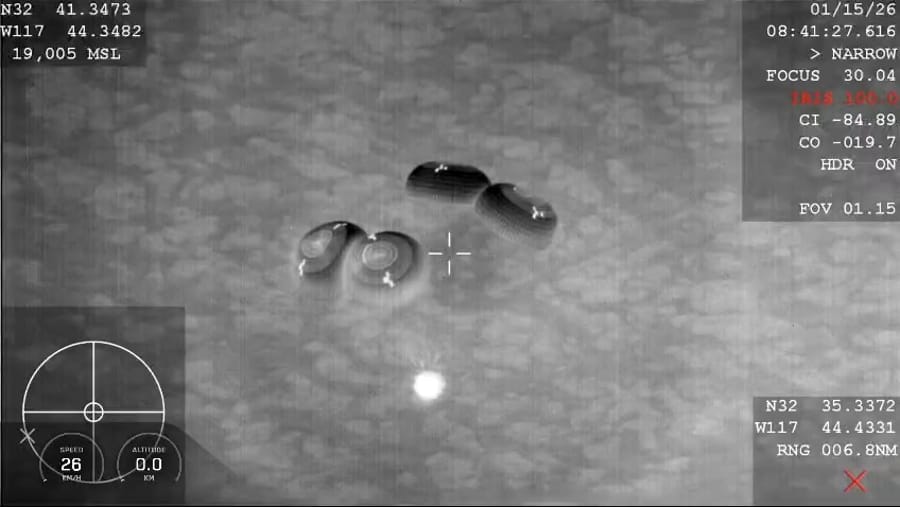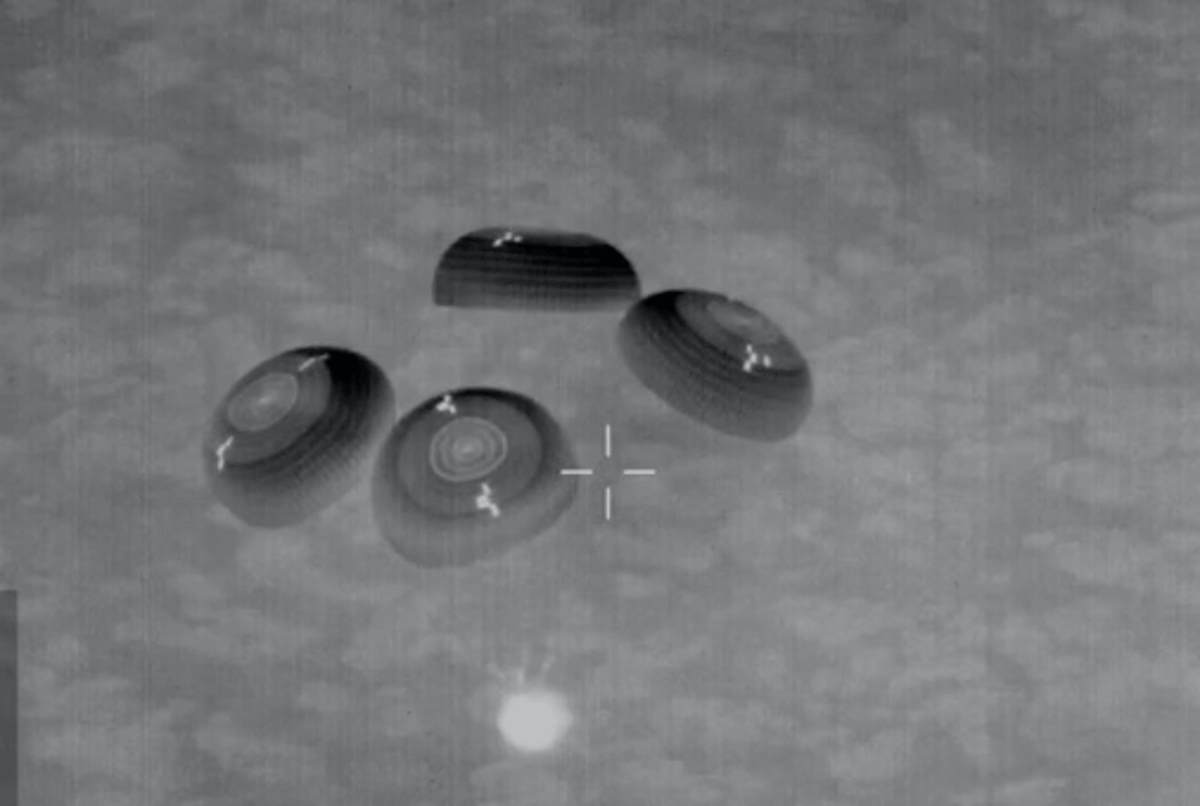
In a first for the International Space Station's (ISS) 25-year history, NASA's SpaceX Crew-11 mission concluded early on January 15, 2026, with the safe splashdown of four astronauts in the Pacific Ocean following a medical issue that prompted their expedited return to Earth.
The Crew-11 mission launched on August 1, 2025, aboard a SpaceX Crew Dragon capsule named "Endeavour" from NASA's Kennedy Space Center in Florida. The crew spent 167 days in space, including 165 days aboard the ISS as part of Expedition 74, which began on December 8, 2025. The astronauts conducted various scientific experiments, maintenance tasks, and operations during their stay.
The crew consisted of:
Zena Cardman (NASA, mission commander; first spaceflight).
Mike Fincke (NASA, pilot; fourth spaceflight, accumulating 549 total days in space across missions).
Kimiya Yui (Japan Aerospace Exploration Agency - JAXA; second spaceflight, totaling 309 days in space).
Oleg Platonov (Roscosmos; first spaceflight).
On January 7, 2026, NASA canceled a planned spacewalk by Cardman and Fincke scheduled for January 8 due to an undisclosed "medical concern" with one ISS crew member. The following day, January 8, NASA announced the decision to end the Crew-11 mission early to allow the affected astronaut to receive proper medical evaluation and treatment on Earth. The ISS lacks the advanced diagnostic tools needed for certain conditions, making the return necessary.
NASA emphasized that the crew member is stable and the situation is not an emergency de-orbit but a controlled medical evacuation. No details about the astronaut's identity or the nature of the condition were released, citing medical privacy. NASA Chief Health and Medical Officer James Polk confirmed it was unrelated to space station operations. NASA Administrator Jared Isaacman noted that the risk of reentry forces exacerbating the condition was deemed lower than remaining in orbit without a full diagnosis.
This marks the first time a U.S.-led human spaceflight mission has ended prematurely due to a medical issue on the ISS, though statistical models suggest such events could occur about once every three years. A historical precedent occurred in 1985 during a Soviet Salyut-7 mission, when commander Vladimir Vasyutin's undisclosed illness (possibly a prostate infection) led to an early return.
The mission was originally slated to end in late February 2026, after the arrival of a replacement crew, but was shortened by several weeks.
In the days leading up to departure, the Crew-11 astronauts focused on packing cargo, reviewing return procedures, transferring hardware, uninstalling and loading science hardware into the Dragon capsule, practicing deorbit maneuvers on a computer, and discussing readiness with ground controllers. Cardman led training on using respirators for potential emergencies like ammonia leaks and transferred emergency gear with assistance from NASA Flight Engineer Chris Williams. Fincke and Yui handled science hardware tasks, while all four packed personal items.