A Bombshell Secret

Is Trump About to Invade? Secret Signings at Pentagon Point to Venezuela War

Leaked NDAs, an aircraft carrier strike group, and 6,500 troops are the military buildup that Washington can’t explain. Massive troop deployment and an unprecedented level of confidentiality fuel congressional fears of a Latin American intervention.

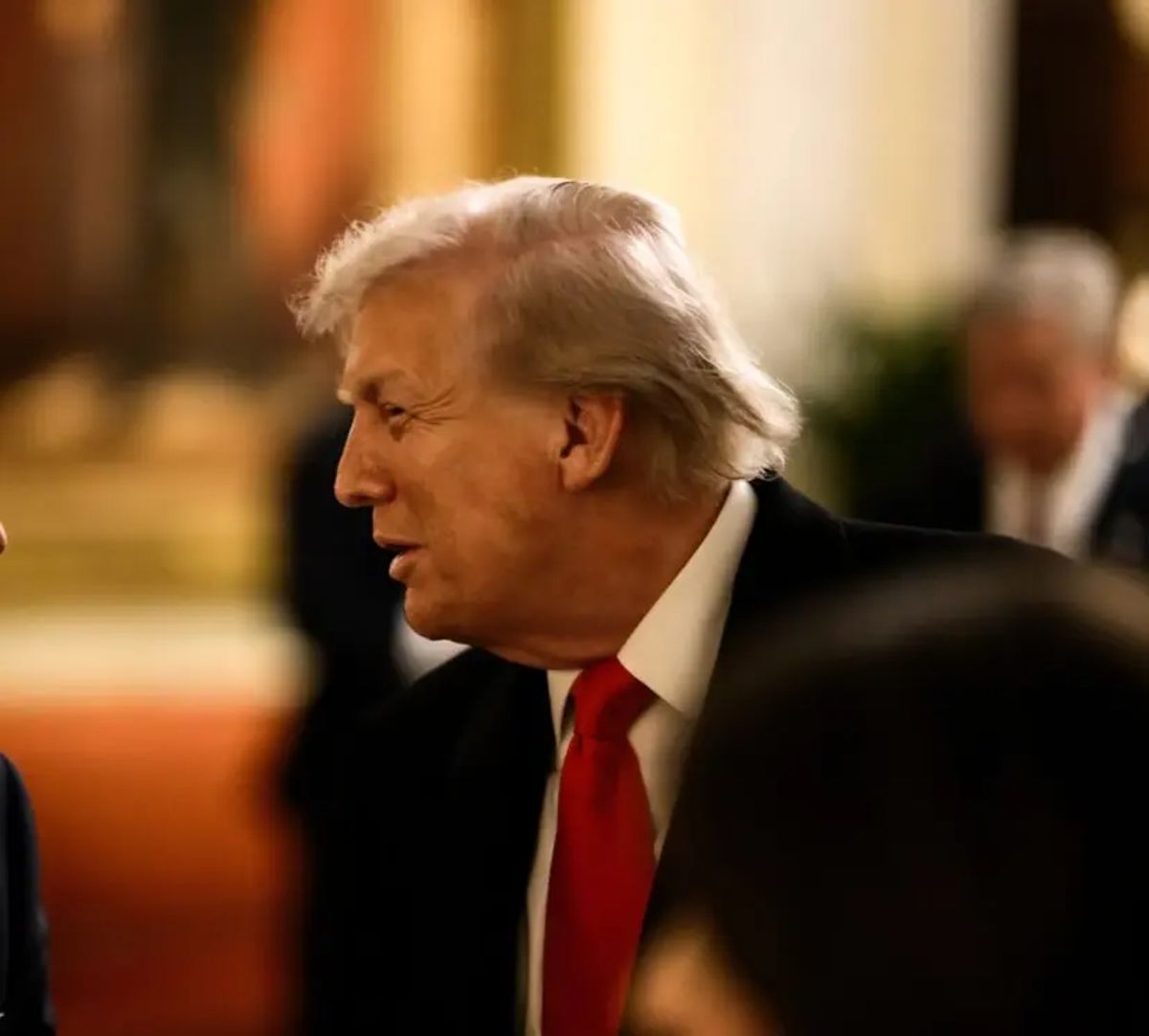
President Donald Trump

Intense speculation is mounting over whether the Trump administration is planning a major military operation, or even an outright invasion in Venezuela, following a dramatic report by Reuters that high-ranking Pentagon officials have been required to sign unusual, specific non-disclosure agreements (NDAs) related to the Latin American nation.

The rare move has heightened concerns both in the U.S. Congress and the international community, particularly as it coincides with a significant and highly visible military buildup in the Caribbean.

Three U.S. officials told Reuters that military officers involved in the new deployment have been compelled to sign these exceptional confidentiality agreements. Experts suggest the unusual level of secrecy strongly supports the assessment that the U.S. is preparing for a military operation far beyond its official explanation.

“This is a very rare move, since military personnel are already bound to maintain security secrets,” noted one source familiar with the proceedings. The fact that the agreements are specifically focused on the Latin American theater raises suspicions that this is more than just an anti-drug trafficking operation, as the Pentagon officially claims.

Massive Troop Deployment and Naval Power

The decision to impose these strict NDAs coincides with a major expansion of the U.S. military presence in the region.

Just last week, Defense Secretary Pete Hagaseth ordered the deployment of the USS Gerald R. Ford Carrier Strike Group to the Caribbean Sea. This massive naval deployment joins destroyers, F-35 fighter jets, a nuclear submarine, and approximately 6,500 troops already stationed there.

According to security analysts, the scale of the deployment is far larger than what is typically required for counter-drug smuggling operations, leading many to believe it signals preparation for a much broader conflict.

Since early September, the U.S. military has conducted at least 13 strikes against vessels suspected of drug trafficking, primarily in the Caribbean, operations the Pentagon claims have resulted in the deaths of about 57 people, including citizens from Venezuela, Colombia, and Ecuador.

Venezuela and Allies Issue Warnings

Venezuela views the military buildup as a precursor to an invasion, while the Kremlin has warned that the United States is "manufacturing a pretext for direct intervention."

The escalation in military action is mirrored by a rise in aggressive political rhetoric. President Trump has been sharply advancing a line that directly accuses the governments of Venezuela and Colombia of being involved in the drug trade allegations both countries vehemently deny.

Senator Lindsey Graham, a close ally of the President, stated that Trump is expected to soon present Congress with "plans for possible military operations against Venezuela and Colombia." Graham added, "These countries have blood on their hands because they are flooding our country with drugs that are harming Americans."

Earlier this year, the U.S. also doubled the reward for information leading to the arrest of Venezuelan President Nicolás Maduro to $50 million.

Hagaseth Tightens Control on Information

The heightened secrecy under the new Defense Secretary, Pete Hagaseth (who took office in January), has also contributed to the atmosphere of mistrust.

An internal document from October 15 ordered employees to seek pre-approval before any contact with members of Congress. Hagaseth has also launched investigations into leaks and implemented a new communications policy requiring military journalists to sign a new access agreement, a move that has resulted in some journalists losing their entry clearance to the Department of Defense.

The White House has so far refused to detail the objectives of the activity in South America. However, the combination of aggressive rhetoric, the large-scale military deployment, and the extreme confidentiality surrounding the mission is leading many in Venezuela, Colombia, and even the U.S. Congress to believe that Trump may be nearing a step not taken by the U.S. in Latin America for decades: direct military action, and potentially a full-scale invasion.

Ready for more?

Join our newsletter to receive updates on new articles and exclusive content.

We respect your privacy and will never share your information.

Enjoyed this article?

Yes (179)
No (11)
Follow Us:

Loading comments...


Is Trump About to Invade? Secret Signings at Pentagon Point to Venezuela - JFeed