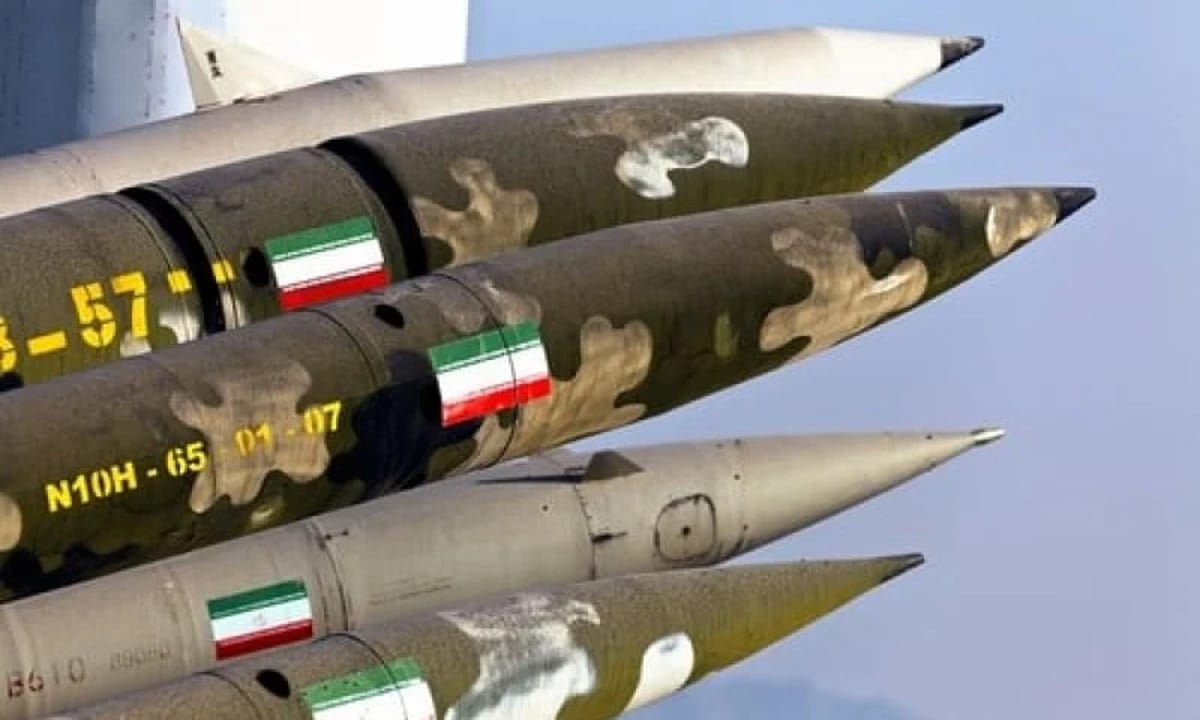
Iran delivered a blunt ultimatum to the United States Sunday, demanding that Washington rein in Israel following a wave of Israeli strikes on Beirut's Dahiyeh district, warning that if America failed to do so, Tehran would act on its own and potentially walk away from nuclear negotiations.
According to Gulf Arab media reports, the deputy commander of Iran's Revolutionary Guards officially addressed the Israeli strikes and pledged that the regime would not remain silent, saying the attacks "cannot go unanswered."
Iranian officials transmitted a pointed message to American counterparts, demanding they "leash the dog," and making clear that if Washington failed to constrain Israel, Iran would take matters into its own hands.
The warnings came at an exceptionally sensitive diplomatic moment, as the two sides appeared to be closing in on a preliminary framework agreement. Iranian parliament speaker Mohammad Bagher Ghalibaf escalated further with a public statement that went beyond condemnation of Israel to an explicit threat to collapse the talks themselves.
Ghalibaf accused the United States of either lacking the will or the capability to honor its commitments, pointing to continued Israeli operations in southern Lebanon as evidence. "By giving the green light to the regime you cannot gain an advantage," he wrote. "The good cop, bad cop game is old."
He then issued what amounted to a direct ultimatum to Washington: if the United States cannot or will not restrain Israel in Lebanon, Iran would have no basis for continuing the diplomatic process. "If you don't have the will and ability to implement your commitments, we cannot talk about the way forward."
The escalation was triggered by a significant Israeli military operation in Dahiyeh, itself a response to a series of Hezbollah violations of the Lebanon ceasefire agreement, including rocket and drone fire toward northern Israel. The scope of Israel's response drew intense anger in Tehran and prompted senior regime officials to issue some of the sharpest warnings seen since negotiations began.
President Trump, meanwhile, publicly rebuked Israel over the Beirut strike, calling it ill-timed and urging all sides to stand down ahead of what he described as an imminent peace agreement.