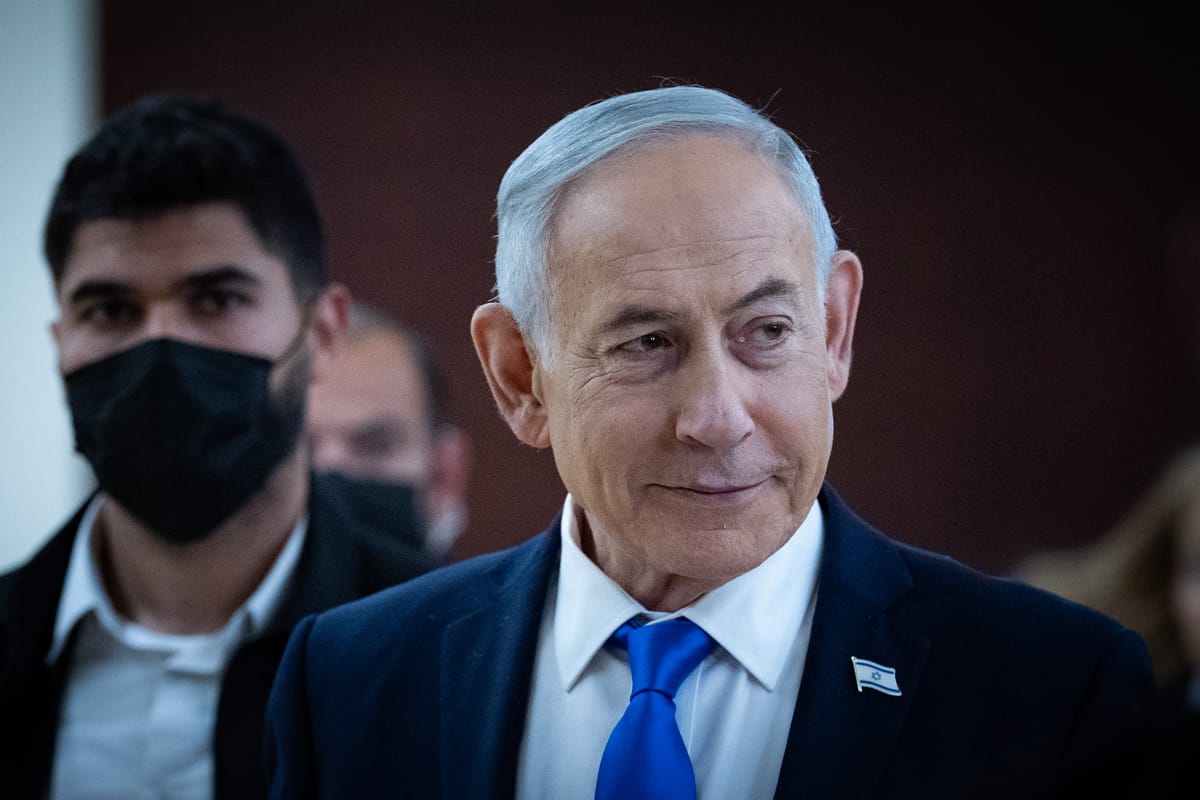
A senior Israeli official told IDF Radio Monday morning that the U.S.-Iran memorandum of understanding is "a horrible deal for Israel," adding that the assessment is shared across the entire Israeli defense and political establishment, from Prime Minister Benjamin Netanyahu down to IDF Chief of Staff Lt. Gen. Eyal Zamir.
The blunt assessment reflects a near-total consensus in Jerusalem that Washington capitulated to Tehran's core demands.
Israeli officials have warned that the framework "is not good," saying it fails entirely to address Iran's ballistic missile program or its network of regional proxies. One official told the Jerusalem Post: "Nothing is final yet, but this is an agreement that could affect whether and how we are able to operate."
Senior Israeli officials quoted in a Channel 12 report said the terms of the MOU "endanger Israel's security interests," and that Washington agreed to Tehran's "main conditions."
The deal's Lebanon clause has emerged as Israel's sharpest red line. Iran, Pakistan, and the United States all announced that the agreement includes a halt to military operations on several fronts, including Lebanon, a clause Israel has flatly rejected. Netanyahu conveyed to Trump directly that Israel does not consider itself bound by the Lebanon provisions and told Trump that Israel will retain its freedom of action "against threats in all arenas, including Lebanon."
The understanding among ministers in the Security Cabinet is that Israel is standing firm on its interests in Lebanon, and that Netanyahu received full backing at the cabinet meeting for his position.
The political fallout was swift and broad. Former IDF Chief of Staff and opposition frontrunner Gadi Eisenkot blasted what he called "the dismal outcome of a failed government," saying there is "a vast gulf" between Netanyahu's "empty promises of total victory" and the emerging deal. He also criticized Netanyahu for failing to face the public directly, noting that Israelis are again learning about a major agreement affecting their security from foreign leaders rather than from their own prime minister.
Under the deal's terms as reported, a final draft of the memorandum of understanding includes the release of $25 billion of frozen Iranian assets and an agreement to allow Tehran to dilute its uranium stockpile inside Iran rather than shipping it abroad. The agreement contains no reference to Iran's missile program or its proxy network across the region.
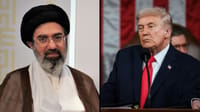
Israel's assessment is that the only figure who could ultimately block the deal is Iranian Supreme Leader Mojtaba Khamenei, with one official noting: "It is possible that, just as his father rejected a new nuclear agreement at the last minute in 2022, he could take the same course of action."
The deal has not yet been formally signed.