Iranian passenger jets continued landing in Turkey and China on Wednesday, the first day of sweeping U.S. sanctions meant to shut Iran's airlines out of international aviation. The flights are an early test of whether foreign governments will enforce Washington's pressure campaign against the regime.
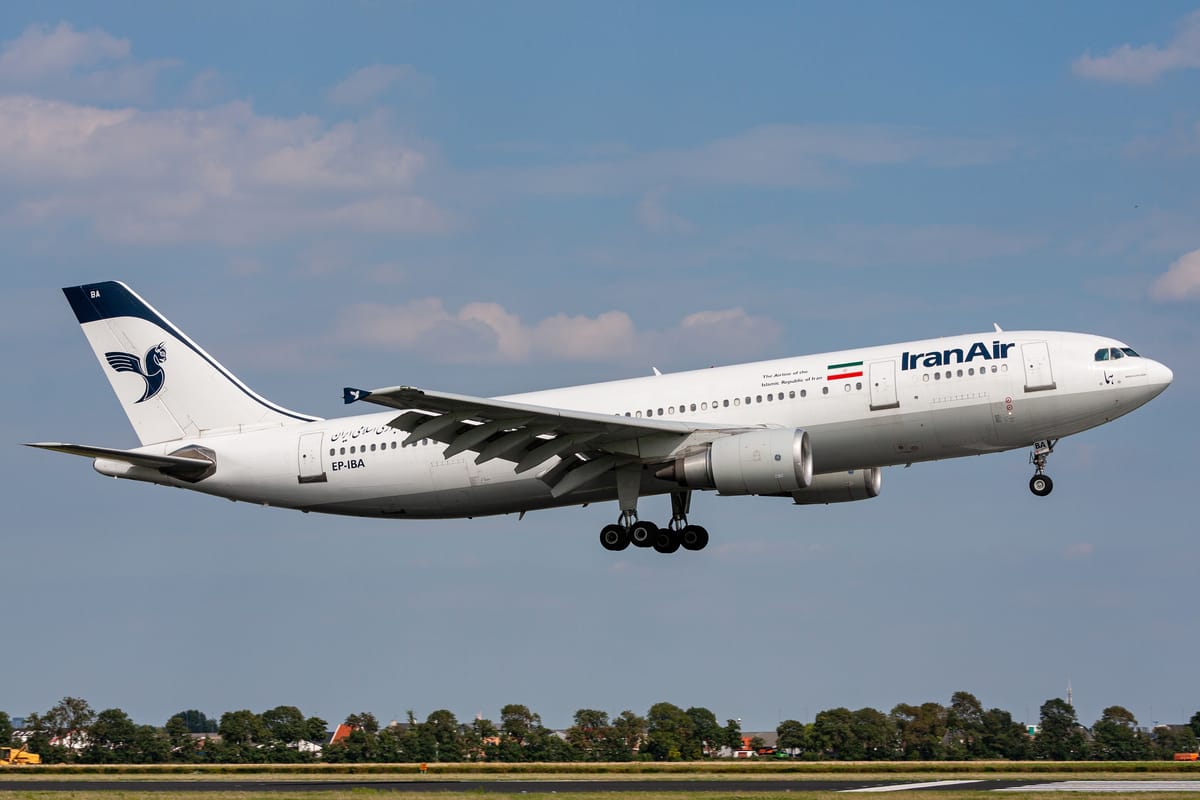
Iran Air, the country's state-owned flag carrier, flew its regular service from Tehran to Istanbul on Wednesday morning. According to Flightradar24 data, flight IR719 landed in Istanbul at about 10:25 a.m. local time, and the same aircraft then turned around for the return leg as IR718. Iran Air's published schedule lists two daily round trips between Tehran and Istanbul, operated with Airbus A330 aircraft.
Iran Air said the route would continue unless Turkish authorities formally suspended it. Through Iran's state news agency IRNA, the airline said it had received no official notice from civil aviation authorities in Turkey, Azerbaijan or Iraq suspending its routes to Istanbul, Baku or Najaf. No suspension had been announced as of Wednesday morning.
Turkey has already moved against other Iranian operations. Mahan Air, Iran's largest private airline, suspended its flights to Turkey from September 21 after Turkish authorities ordered it to stop over concerns about exposure to U.S. sanctions. Turkish Airlines, AJet and Pegasus have cancelled all flights to and from Iran, with their booking systems showing no Iran service through March 2027.
China showed no such hesitation. A Mahan Air flight from Tehran landed in Guangzhou on Wednesday even after the sanctions took effect, according to FlightRadar24 tracking data. Beijing made its position clear a day earlier, saying it opposes the U.S. sanctions and calling them illegal. A Mahan flight to Shanghai was also scheduled to leave Tehran on Wednesday, according to Tehran's international airport. Mahan Air also continued flying to Moscow.
Washington has singled out Mahan Air in particular. The U.S. has sanctioned the carrier for years, saying it ferries personnel of the Islamic Revolutionary Guard Corps along with weapons and drones.
The new measures threaten secondary sanctions against any foreign company that refuels Iranian aircraft, provides them with landing services or sells tickets for their flights. U.S. Treasury Secretary Scott Bessent warned that violators risk being cut off from the U.S. banking system and dollar-clearing network.
Elsewhere, the pressure is biting. Azerbaijan has banned Iranian airlines from its airports, while Georgia, Turkey and Oman have suspended or barred Iranian flights. Iran's civil aviation authority cancelled all flights from Tehran to Baghdad and Muscat. A Tehran travel agent told AFP that some Istanbul flights were still scheduled while others had been cancelled. "The situation is unstable and we are no longer selling tickets for the time being for fear of cancellations," the agent said.
The aviation sanctions follow the U.S. maritime blockade of Iran and are expected to deepen the logistical pressure on the regime and worsen its economic difficulties.