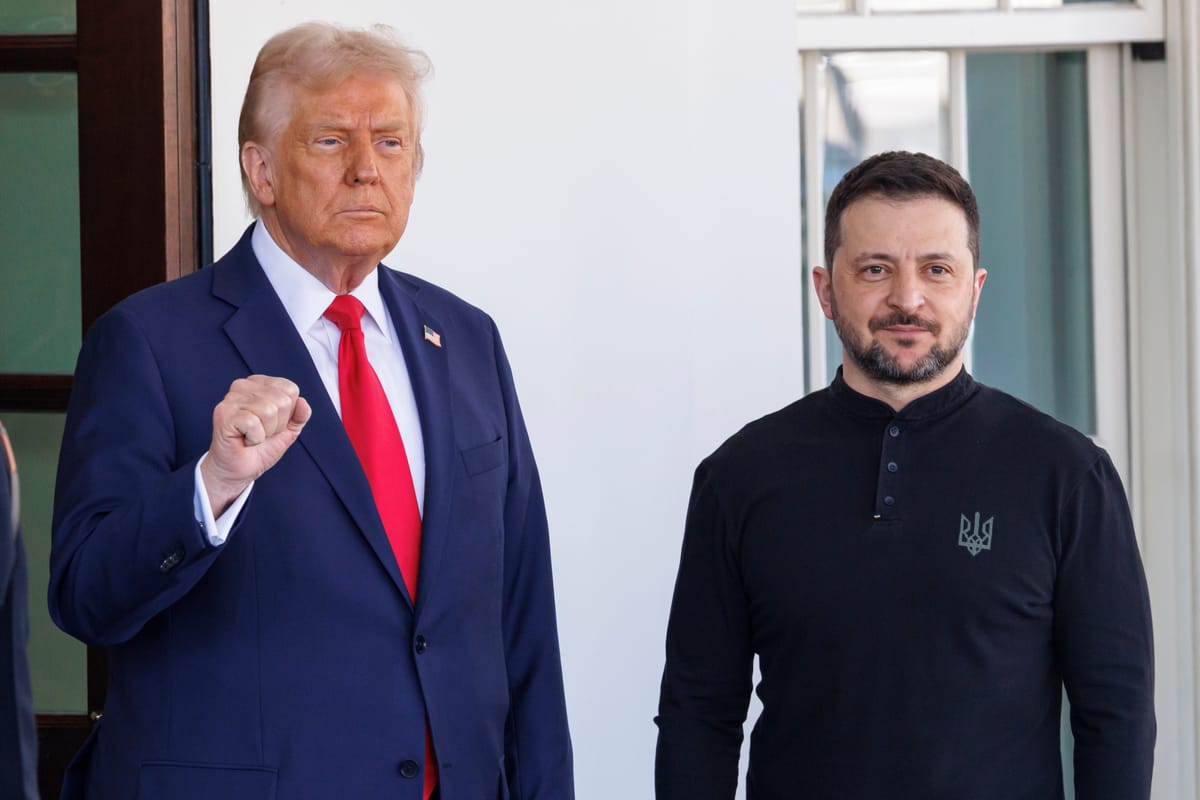
That said, there is still no proof that the US has stopped passing intelligence. Ukrainian Foreign Minister Andriy Sybiha claimed that Kyiv is still receiving American military intelligence, and assessed that the delay in warning may be related to the type of weapon Russia used. Zelensky also said his generals received information indicating that intelligence sharing continues, though they were warned it could be cut off.
The events are unfolding against the backdrop of Trump's announcement over the weekend of an energy ceasefire between Russia and Ukraine. Neither side has confirmed that the understanding has taken effect, and Ukraine claims Russia attacked six Ukrainian energy facilities on Monday.
At the same time, Trump is pressuring Kyiv to stop attacking Russian refineries, after easing sanctions on Russian diesel exports. According to him, the move is intended to help lower fuel prices in the US ahead of midterm congressional elections next month.
Zelensky rejected the claim that easing sanctions would help lower prices in the US, saying the volume of fuel in question is insufficient for that purpose but could provide Russia with additional revenue to finance the war. According to him, Ukraine has not attacked Russian refineries since Trump's announcement.
According to the report, American representatives including Steve Witkoff and Jared Kushner presented the diesel export arrangement in talks with the Ukrainian delegation as part of an attempt to bring Russia back to the negotiating table.
Zelensky announced that Ukraine is ready for additional meetings with US representatives, on condition that Russia respects the ceasefire. At this stage, the question of whether Washington continues to pass Kyiv all the information it needs remains especially sensitive: even without a formal decision to stop intelligence sharing, any delay in warning could affect Ukraine's ability to defend against Russian attacks.