Get our mobile app
Download on the App StoreGet it on Google Play

Shadows at the Ballot Box

Russia spent $300M on foreign parties

US intelligence reveals Moscow's global influence operation: cash-filled suitcases, crypto transfers, and shell companies funding politicians in over 24 countries, and the figure is just the tip of the iceberg

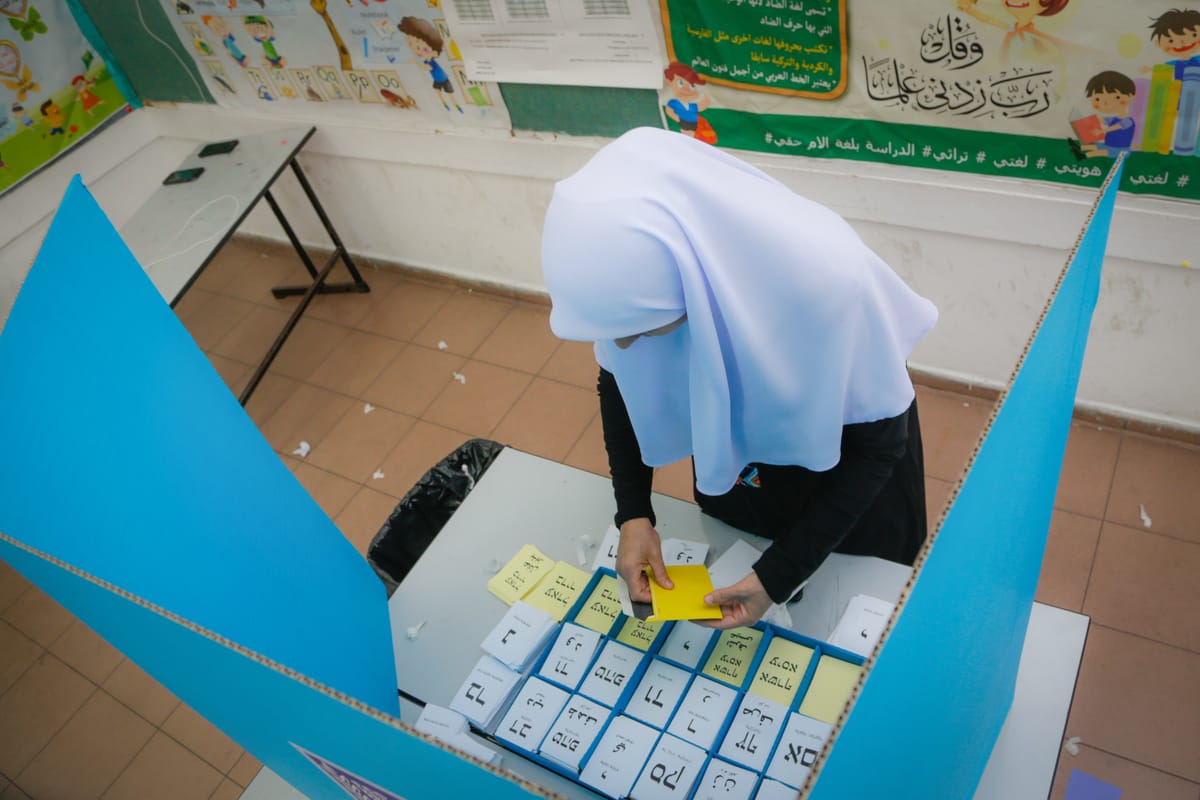
A voter at the ballot box | Illustration

Since 2014, the Russian government has funneled at least $300 million to political parties, politicians, and influence agents in more than 24 countries worldwide, according to official US intelligence assessments. The sum, considered highly conservative, was transferred in cash, cryptocurrency, through shell companies, ostensible philanthropic foundations, embassies, and oligarchs close to the regime.

A senior administration official in Washington clarified at a press briefing that "we think this is just the tip of the iceberg." American intelligence estimates that "these are relatively minimal figures and Russia has likely transferred additional funds covertly in ways that have not been detected."

The Kremlin's strategy, often combined with networks of advisors and disinformation, operates subversively across multiple arenas. In France, Marine Le Pen's National Front party (now National Rally) received loans totaling approximately 11 million euros from Russian banks in 2014. The intermediary, European Parliament member Jean-Luc Schaffhauser, collected enormous commissions, while some of the funds flowed to foundations in exchange for pro-Russian speeches in the European Parliament.

Across Europe and the Balkans, Russia channeled disguised funds to anti-establishment parties, including half a million dollars in support to Albania's Democratic Party and financing candidates in Bosnia, Montenegro, and Moldova. In the latter country, networks were exposed that transferred tens of millions of euros for direct vote-buying and funding street protests.

In Africa, advisors and cash-filled suitcases were dispatched to Madagascar, South Africa, the Central African Republic, and Mozambique to preserve and strengthen candidates favorable to Moscow. The recurring pattern makes clear that foreign cash doesn't always directly buy ballot boxes, but sometimes finances aggressive campaigns, drives shell organizations, or greases key figures behind the scenes.

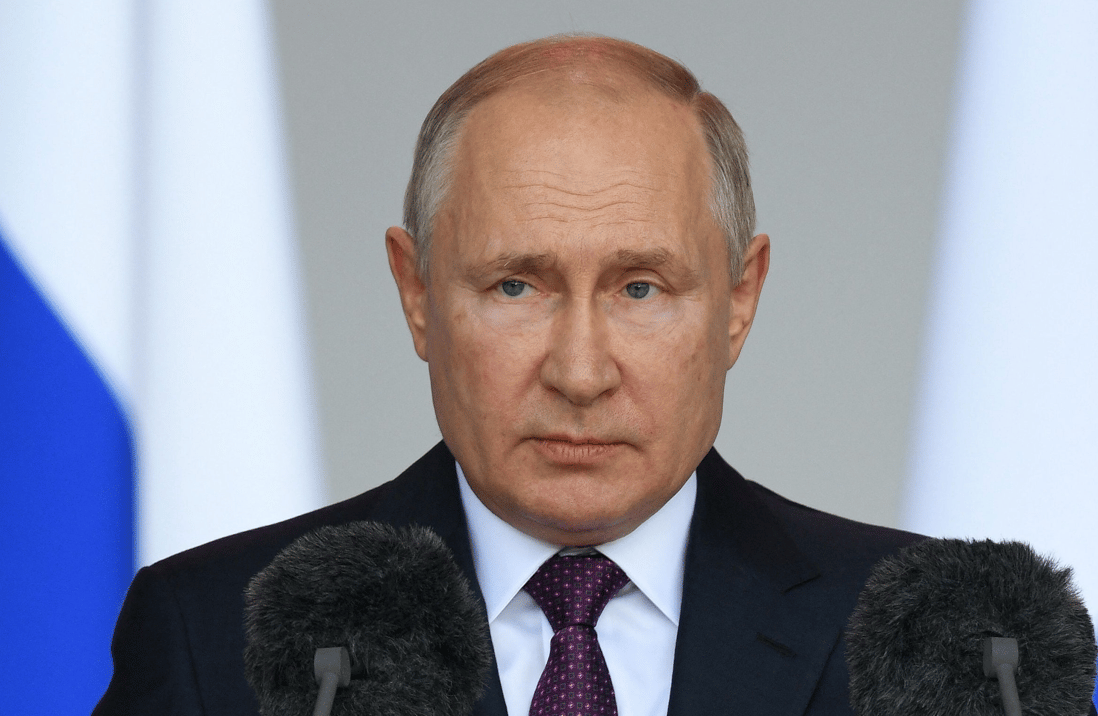
Putin
Putin (Photo: Shutterstock)

The Chinese Superpower: A Quiet, Long-Term Strategy

While Russia operates through aggressive methods of cash-filled suitcases and questionable bank loans, the Chinese superpower has chosen a far more sophisticated, quiet, and long-term strategy. Beijing operates through "United Front" organizations, local businesspeople, community networks of the Chinese diaspora abroad, and donations transferred through intermediaries and straw men.

In Taiwan, authorities exposed dozens of cases of illegal and criminal financing to candidates in the 2018 and 2020 election cycles. Methods include direct cash transfers, campaign financing, and funding discounted flights for citizens residing in China so they could return to vote.

In Canada, the federal intelligence service (CSIS) exposed a Chinese influence network that operated in the 2019 and 2021 elections. The network funneled hundreds of thousands of Canadian dollars through intermediaries to candidates considered favorable to Beijing, alongside recruiting students as volunteers and pressure applied through consulates. In Australia and New Zealand as well, extensive investigations were opened against businesspeople and community figures who channeled prohibited donations to federal candidates.

In many cases, Chinese money wasn't poured solely into election campaigns. It served as a tool for building "quiet dependency": business investments, coveted positions for family members of public officials, and financial support for community institutions.

The history of foreign interference is riddled with shocking affairs. The most famous example is the "Chinagate" scandal in the United States in the mid-1990s, when it was discovered that donations from China were funneled directly to the Democratic Party's election campaign through American intermediaries. The affair led to sharp Congressional investigations, criminal convictions, and changes to party financing laws in the US.

Since then, the method has been refined and expanded to additional territories: disguised Russian financing to political parties across Europe, Iranian money pipelines designated for influence and consciousness campaigns in the Middle East and South America, and Qatar's "soft money," which includes funding organizations, enormous payments to strategic advisors, and aggressive lobbying aimed at buying influence among Western decision-makers.

The common denominator in all these affairs is the legal challenge: it is extremely difficult to prove a direct causal link between the dollar that flowed in and the ballot that was placed in the envelope. But the damage has already been done, the discourse changes, decision-makers are influenced, and public trust takes a brutal hit.

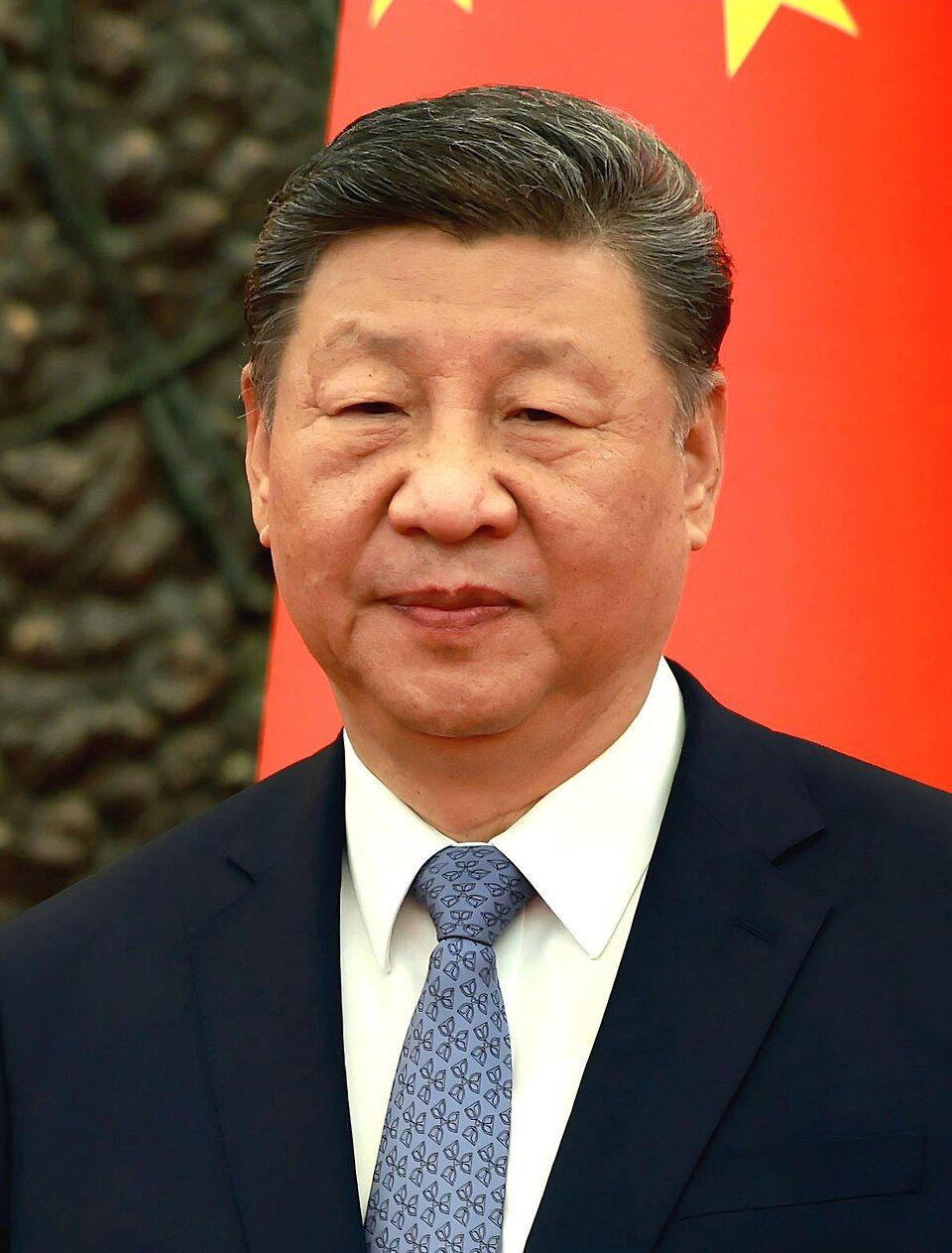
Chinese President Xi Jinping
Chinese President Xi Jinping (Photo: Wikipedia Isaac Castillo/Presidencia del Ecuador)

"Soft Power" and Inexhaustible Wealth — The Qatari Method for Buying Governments

While Russia operates through cash-filled suitcases and China focuses on diaspora networks, the Emirate of Qatar has developed over the past two decades one of the most sophisticated, wealthy, and insidious influence systems in the world.

Doha does not aspire to topple regimes or forge ballots in crude ways; it prefers to penetrate the golden arteries of decision-makers, build economic and image dependency, and shape Western powers' foreign policy from within.

The Qatari Influence Mechanism Rests on Four Steel Arms Padded with Cash:

Aggressive lobbying in Washington: Since 2016 alone, Qatar has spent nearly a quarter billion dollars on dozens of lobbying and public relations firms in the US. Its agents bought direct access to members of Congress, financed political campaigns through intermediaries, and organized luxury trips to Doha for policymakers, turning it into a player immune from criticism despite its overt ties with terror organizations, foremost among them Hamas and the Muslim Brotherhood.

Buying academia and think tanks: Qatar has become the largest single foreign donor to American universities, with a cumulative sum far exceeding $6 billion. Enormous donations to prestigious campuses and research institutes (Think Tanks) bought it a deep foothold in shaping curricula and research that feeds the federal administration.

Qatargate and bribery in Europe: The resounding exposure in the European Parliament revealed cash transfers, suitcases of money, and enormous gifts to parliament members and senior officials in exchange for whitewashing the emirate's image, advancing commercial interests, and silencing voices on human rights issues.

Media and strategic investments: Using the Al Jazeera network as a tool for international consciousness, alongside funneling billions of dollars from Qatar's sovereign wealth fund into luxury real estate, sports teams, and national assets in Europe, a move that creates crushing economic dependency of local governments on Qatari capital.

The Qatari method proves that in the 21st century, there is no need for armies or hackers to shape governments. Inexhaustible gas wealth, strategic patience, and precise targeting of political and academic elites are sufficient, to turn a small experimental state into a player whose aspirations no Western government can ignore.


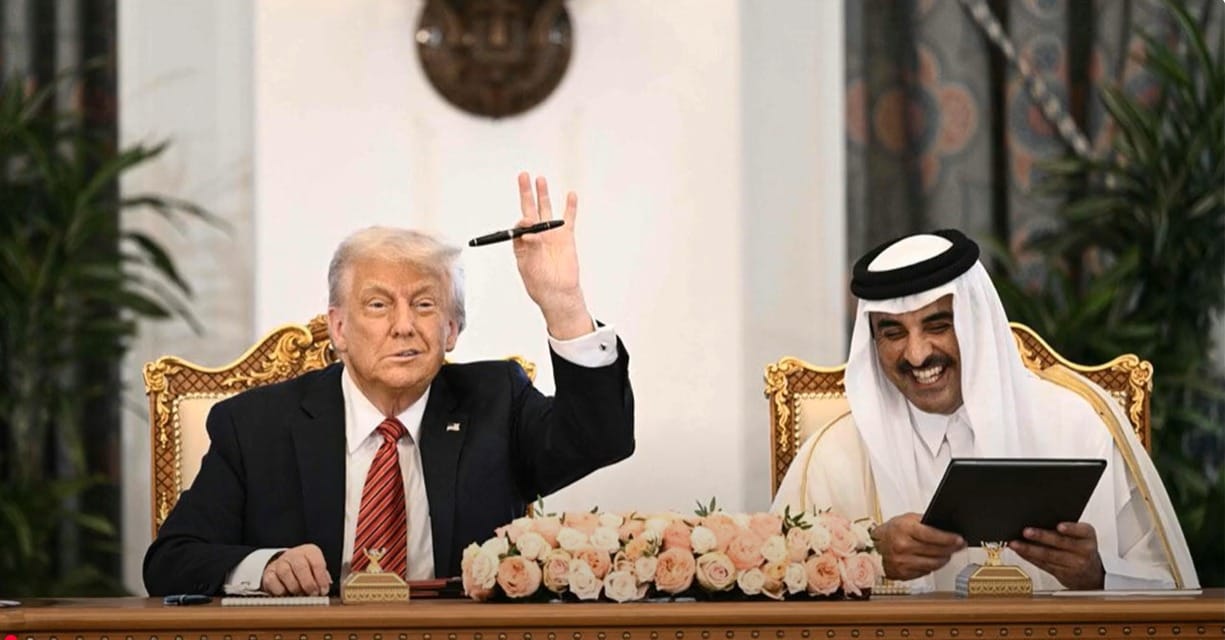
Emir of Qatar and President Trump
Emir of Qatar and President Trump (Photo: The White House)

The Suspicions, the Ballot Boxes, and the Israeli Test

In Israel, claims of foreign interference and channeling of external funds are not a new phenomenon. Over the years, suspicions have surfaced and risen about deep financing of parties and political bodies, donations from foreign sources, and planned influence attempts on voter turnout in certain concentrations.

In the stormy election cycles of recent years (2015, 2019, and 2022), serious claims arose from right-wing parties about deficiencies, irregularities, and voter mobilization through unsupervised financing mechanisms, primarily in the Arab sector. Many complaints were filed with the Central Elections Committee and police, some including claims about cash distribution and irregularities near polling stations.

Although most claims did not lead to nationwide ballot disqualification or dramatic changes in mandate distribution, they left a deep residue of distrust in the system. Conversely, claims were also raised about foreign financing and external influences on center and left parties, alongside image influence affairs such as "Qatargate."

Nevertheless, the Israeli system has demonstrated unique structural resilience. At the national level, elections in Israel have never been invalidated or canceled due to organized fraud. While in local elections individual ballot boxes have occasionally been disqualified, in Knesset elections the public mechanism and mutual oversight have succeeded in preserving the integrity of the voting process.

The bottom line: the Israeli system has demonstrated unique structural resilience. At the national level, elections in Israel have never been invalidated or canceled due to organized fraud.

And the question of questions: are we facing a legal, public, and ethical precedent in this sense as well?

Ready for more?

Join our newsletter to receive updates on new articles and exclusive content.

We respect your privacy and will never share your information.

Enjoyed this article?

Yes
No
Follow Us:

Unmissable content


Loading comments...

Also of Interest