Get our mobile app
Download on the App StoreGet it on Google Play

Israeli technology

Hidden vault found in ex-president's home

Investigators raid Santiago Peña's estate in probe of collapsed Ueno Bank | Secret passage behind wall leads to armored safe with advanced biometric security 

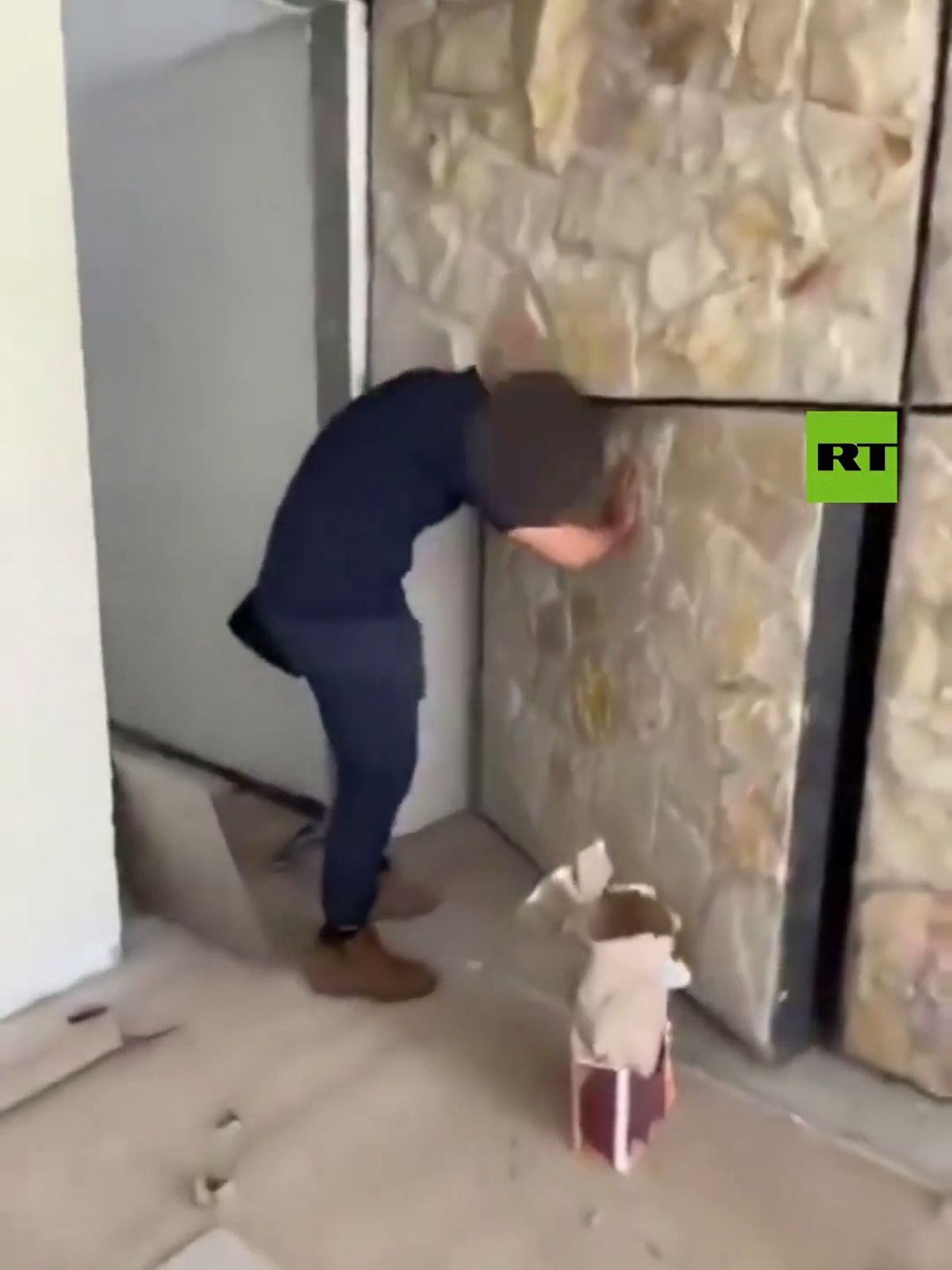
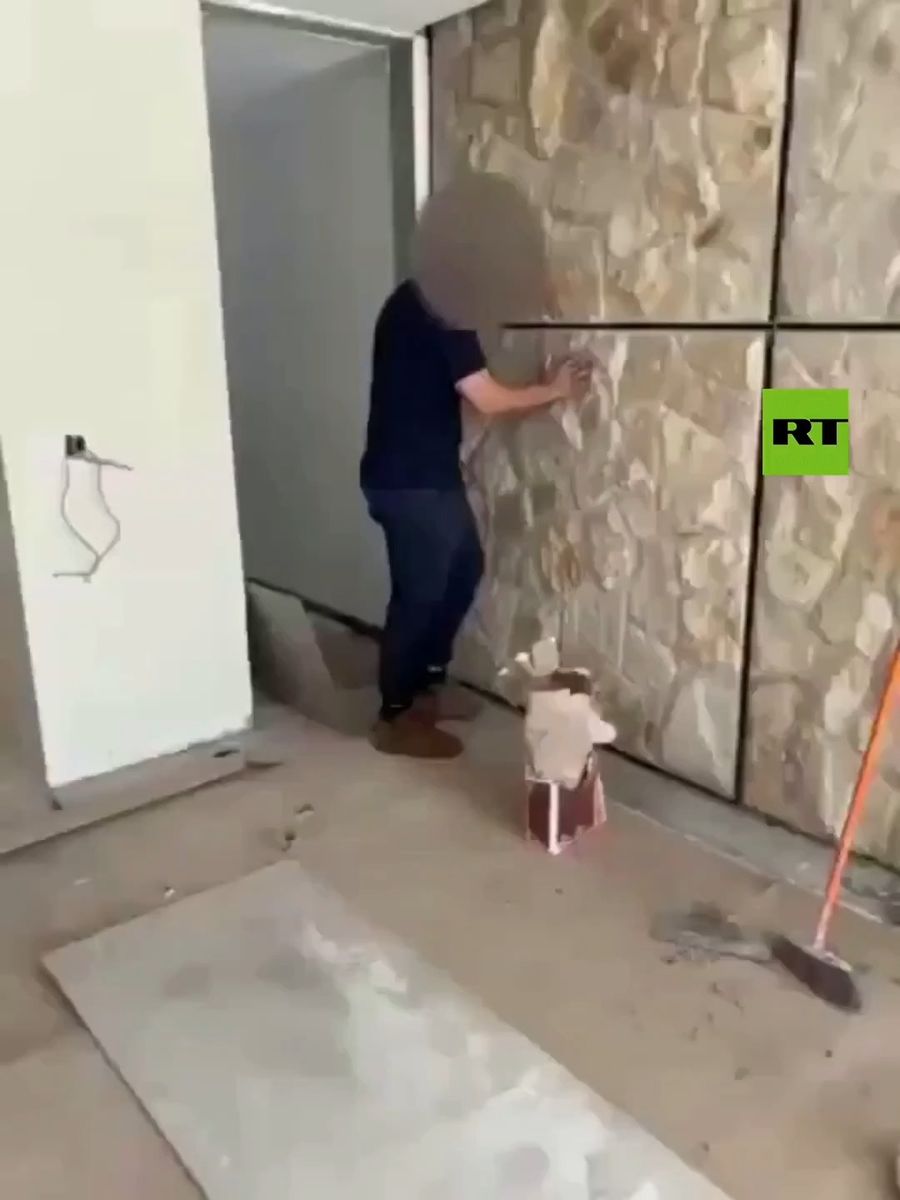
Paraguay Police Find Hidden Vault in Ex-President's Mansion | WATCH

Paraguay police raided the estate of former president Santiago Peña in the city of San Bernardino on Sunday, as part of the investigation into the collapse of Ueno Bank. During the search, investigators uncovered a hidden entrance behind a wall, leading to an armored vault equipped with an advanced security system.

The raid was led by a team of prosecutors from the Attorney General's office and forms part of a criminal investigation focused on allegations of financial ties between Peña and the collapsed bank. According to reports, authorities sought to examine the property and the connection between its financing and loans the former president received from the bank.


According to prosecution documents, in May 2024, when Peña was serving as president, Ueno Bank granted him two loans totaling approximately 3.548 billion guaraníes, about $577,000 at current exchange rates. The money was intended to finance construction of his home in San Bernardino.

The monthly repayment amount set was approximately 239 million guaraníes, or about $38,900. According to the prosecution, this is six times Peña's monthly salary as president. The estate itself is valued at over one million dollars.

Prosecutors are also examining the fact that Peña previously held shares in Ueno Holding, the parent company that controlled the bank, and sold his holdings only in 2025. The suspicion is that during his term in office, large amounts of public funds were directed to the bank, while it was granting loans to companies connected to its controlling shareholders.

Level 7 security system

According to a report by the Paraguayan newspaper ABC Color, the vault has an armored door equipped with an advanced security system, including facial recognition or iris scanning, fingerprint identification, a personal code, and special keys.

The entrance to the chamber was hidden behind a wall that appeared to be a regular part of the house. Behind it was a passage leading to the armored door. The investigative team was unable to open it during the raid, and had no verified information about its contents.

According to reports, it is a level 7 security system using technology of Israeli origin, though this claim is attributed to local reports and not to official confirmation from the manufacturer.

The affair that led to Peña's impeachment began with the collapse of Ueno Bank, one of the country's largest financial institutions, which held accounts for approximately 2.94 million customers, nearly half of Paraguay's population. The bank was placed under government control after the central bank found that its capital ratio had fallen below half the required threshold.

Following the regulatory intervention, customer funds were frozen, including large amounts of public money. According to Reuters reports, the bank held more than $800 million in government funds. Among the affected entities was Paraguay's social security institute, which held approximately $355 million in pension and health insurance funds at the bank.

Last Friday, the Paraguayan Senate removed Peña from office in a political impeachment process, after the lower house approved the charges against him. Vice President Pedro Alliana was sworn in as his replacement and assumed the presidency.

One day later, Peña was indicted on suspicion of breach of trust and conducting affairs for personal gain. The court ordered him held in detention at a military facility in the capital Asunción, while the investigation continues. Peña denies the charges attributed to him.

According to the allegations, during his term in office, public funds were directed to a bank in which he had previous business connections, while loans were simultaneously granted to companies close to the controlling shareholders. The appointment of Carlos Carvajal, formerly a senior official at Ueno, to the position of central bank governor is also at the center of the criticism.

The new president Alliana announced that funds have so far been returned to approximately 1.2 million customers in a total amount of about $158 million, and that the refund process is expected to continue. However, millions of customers are still waiting for their money to be settled.

Ready for more?

Join our newsletter to receive updates on new articles and exclusive content.

We respect your privacy and will never share your information.

Enjoyed this article?

Yes
No
Follow Us:

Unmissable content


Loading comments...

Also of Interest