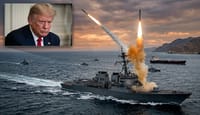
Donald Trump has doubled down on his stated ambition to take control of Greenland, escalating a dispute with Denmark and alarming NATO allies who warn that such a move could trigger the alliance’s most serious crisis in decades.
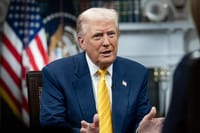
Speaking after a U.S. operation that captured Venezuelan leader Nicolás Maduro, the U.S. president said the mineral-rich Arctic island was essential to American defense. “We need Greenland for national security,” Donald Trump told NBC News. “And that includes Europe. We need it right now.”
Trump has revived his long-running interest in Greenland since returning to the White House, despite repeated rejections from Denmark and Greenland’s own leadership. Greenland is a self-governing territory within the Kingdom of Denmark, and both Copenhagen and Nuuk have made clear that the island is not for sale and not open to annexation.
Danish Prime Minister Mette Frederiksen warned that any U.S. attempt to seize the territory would bring NATO cooperation to a halt. “Everything stops,” she said over the weekend. “Including NATO.” She added that the United States “has no right to annex any of the three countries in the Danish kingdom” and urged Washington to stop threatening a close ally.
Britain’s prime minister, Keir Starmer, publicly backed Denmark, saying Greenland’s future must be decided only by Greenland and Denmark. “Denmark is a close European ally, a close NATO ally,” he said. “And the future therefore has to be for Greenland, for the Kingdom of Denmark, and only for Greenland and the Kingdom of Denmark.”
The dispute has sent shockwaves through the alliance. Former UK defence secretary Ben Wallace warned that a U.S. annexation of Greenland would amount to a “very, very severe crisis” for NATO and could embolden Russia by signaling that international law no longer applies to major powers. “If the biggest backer of NATO decides legality doesn’t matter,” he said, “that’s much more dangerous.”
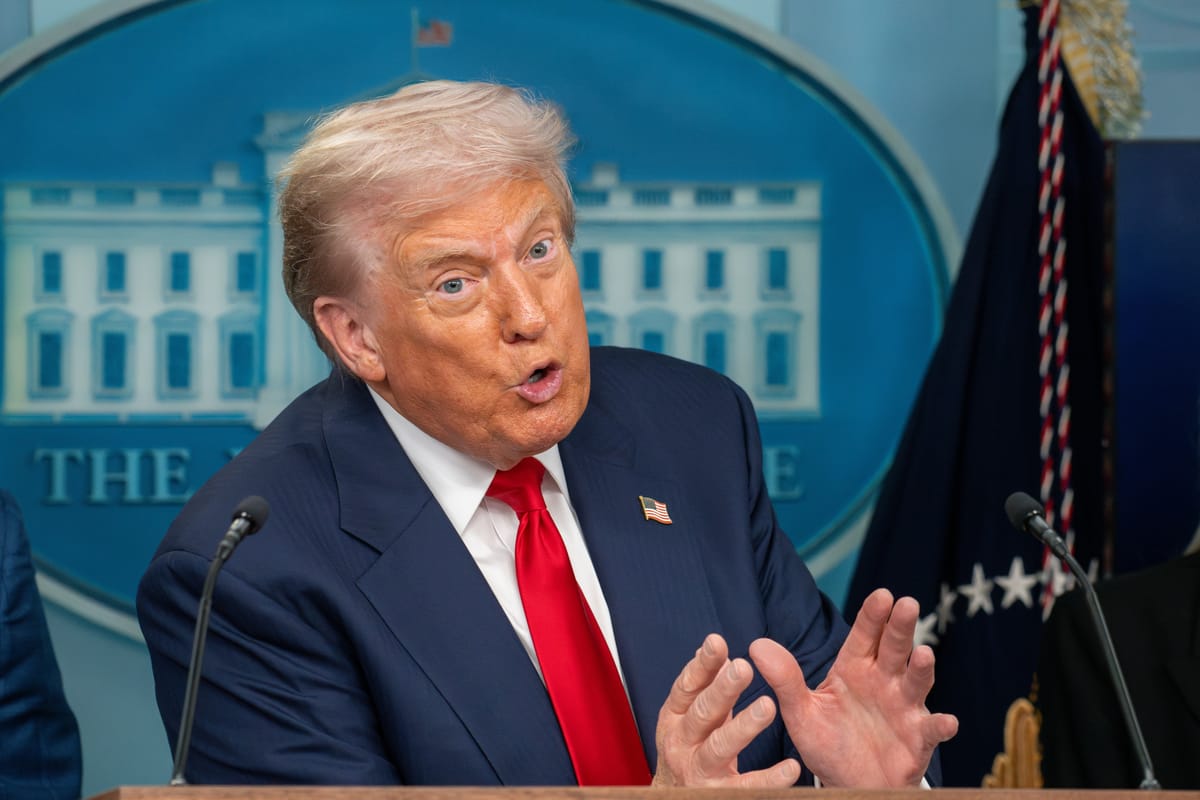
Trump, however, has shown little interest in retreating. He said he had no specific timeline for action but insisted he was “very serious” about his intentions. He has justified his broader foreign policy moves under what he now calls the “Donroe Doctrine,” a rebranding of the Monroe Doctrine that he claims establishes unquestioned American dominance in the Western Hemisphere.
Greenland’s leaders have responded with growing frustration. Prime Minister Jens-Frederik Nielsen dismissed the idea of U.S. control as a fantasy and told Washington to stop applying pressure. “No more insinuations. No more fantasies of annexation,” he said earlier this year. Polling consistently shows that while many Greenlanders favor eventual independence from Denmark, an overwhelming majority oppose becoming part of the United States.
The island’s strategic importance is real and longstanding. The United States has maintained a military presence there since World War Two and currently operates Pituffik Space Base, formerly Thule Air Base, a key node in missile warning and space surveillance. Greenland sits along the shortest route for potential intercontinental missile trajectories between Russia and North America, a fact frequently cited by U.S. defense planners.
Trump has also pointed to increased Russian and Chinese activity in the Arctic, claiming the region is now crowded with foreign vessels. Analysts note that while competition in the Arctic is intensifying, the existing U.S.-Danish defense agreement already grants Washington extensive access and operational freedom on the island.
The renewed Greenland push comes amid broader upheaval in U.S. foreign policy following the dramatic operation in Venezuela. Trump’s decision to dismiss cooperation with Venezuelan opposition leader María Corina Machado, despite her international profile, has added to concerns among allies about Washington’s unpredictability.
For now, Trump’s Greenland rhetoric remains just that. But allies are treating it as more than bluster. Denmark has made clear that any attempt to act unilaterally would cross a red line, while European leaders fear the precedent such a move would set.
As one European diplomat put it privately, the issue is no longer about Greenland’s ice, minerals or geography. It is about whether the rules governing alliances still apply when the world’s most powerful country decides they do not.