Lindsey Graham’s Warning Hints at Trump’s Iran Hesitation
Senator Lindsey Graham warns that abandoning Iranian protesters would be a historic failure. His "disturbing" comments suggest President Trump may still be undecided on a military strike against Tehran.

A provocative series of statements by Senator Lindsey Graham on Tuesday has sparked intense speculation about a potential rift or hesitation within the Trump administration regarding a military strike on Iran.
Despite the massive buildup of U.S. naval power in the Middle East, including the arrival of the USS Abraham Lincoln carrier strike group, Graham’s rhetoric suggests that President Donald Trump may still be weighing his options and that the hawkish wing of the GOP is growing restless.
In a blunt warning posted to X (formerly Twitter), Graham invoked one of the most painful episodes in recent American diplomatic history. "To abandon the Iranian people and the brave Kurds would be, in my view, Benghazi times a million," Graham wrote, referring to the 2012 attack in Libya.
He added a personal note on the weight of the decision: "I remember how sick to my stomach I felt when we abandoned our people in Benghazi. I will hold that against Hillary Clinton until the day I die."
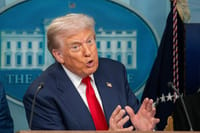
The timing of Graham’s "prayer" for the President has led analysts to believe that a final order for a strike has not yet been given. While the U.S. has moved a "massive fleet" into the North Arabian Sea, Trump told Axios yesterday that the situation remains "in flux," noting that while the military is "locked and loaded," he still believes Tehran might want to "make a deal."
Graham’s public comments appear designed to box the President in, framing any decision to hold back as a historic betrayal of U.S. allies. "History tells us that evil cannot be accommodated—it has to be defeated," Graham stated, emphasizing that the "right decision" is to stand with the protesters currently shaking the foundations of the Ayatollah's regime.
According to sources close to the White House, the hesitation stems from concerns over Iranian retaliation against U.S. allies and the complexity of a battle plan that ensures the regime's total collapse rather than a limited engagement.
While Graham expressed confidence that Trump would "make the right call," his urgent tone suggests the debate inside the West Wing is far from settled.