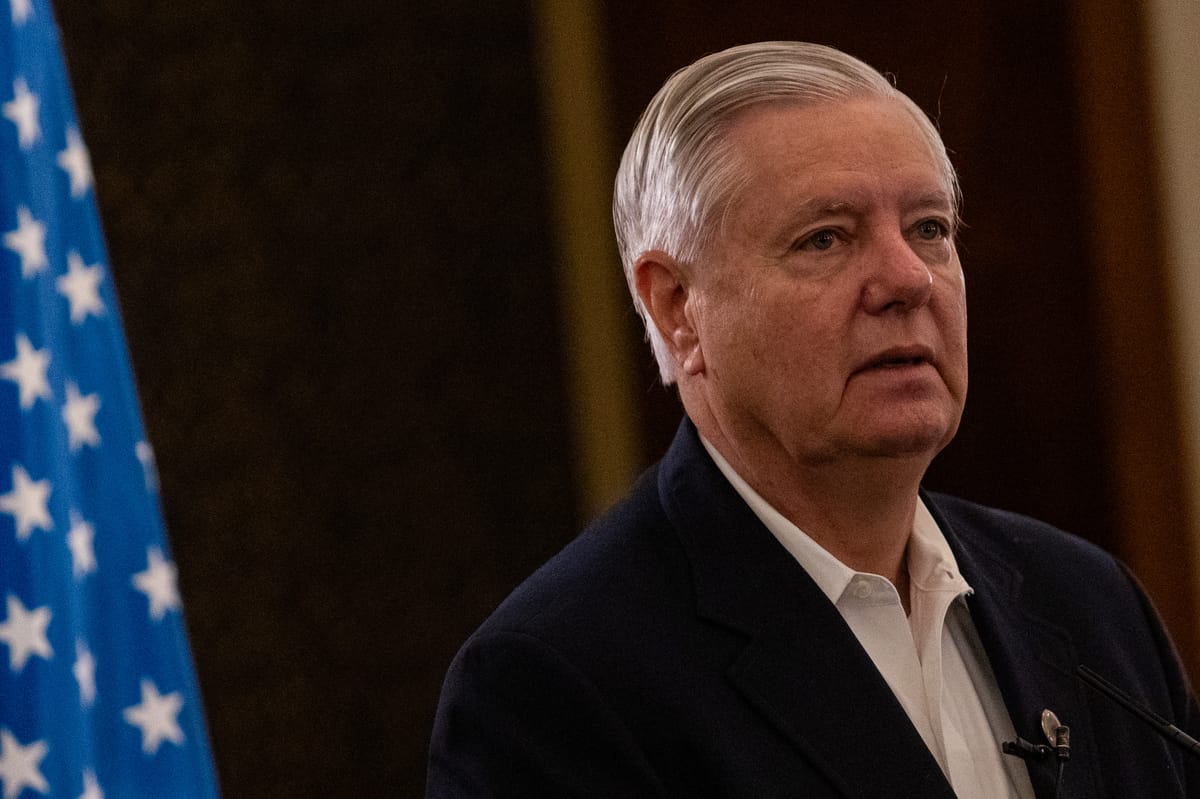
In the span of a single week, U.S. Senator Lindsey Graham has transformed into the unofficial hype man for regime change in Iran, unleashing a barrage of statements that veer from the hyperbolic to the outright bizarre.
This disconnect raises uncomfortable questions about the senator's motives, the Trump administration's resolve, and the real-world consequences of such inflammatory rhetoric.Graham's Iran obsession kicked into high gear on January 11, when he posted a video praising Trump's stance against the ayatollah's regime, insisting that "a new day is coming" for the Iranian people.
By January 12, he was invoking historical grandeur, claiming the region was "on the cusp of the biggest change in the Middle East in 1000 years" and urging unwavering follow-through to "Make Iran Great Again," a slogan he repeated ad nauseam, co-opting Trump's campaign mantra for a foreign policy crusade.
That same day, Graham went further, suggesting in a Fox News interview that Trump should "kill the leadership that are killing the people," a blunt call for targeted assassinations that echoed his past hawkishness but felt particularly unhinged amid ongoing protests.
The bizarre elements piled up. On January 13, Graham posted multiple videos lauding Trump as a superior version of Ronald Reagan, crediting him with giving Iranians a "true chance for freedom" and standing firm against "Trump Derangement Syndrome" from Democrats.
He even taunted Iranian officials directly, warning Supreme National Security Council chief Ali Larijani to "beware of the drones" and sarcastically inquiring if he'd offended Supreme Leader Ali Khamenei, suggesting Moscow as a "winter wonderland" escape.
By mid-week, Graham was meeting with exiled Iranian Crown Prince Reza Pahlavi, vowing to "Make Iran Great Again" and declaring help "on the way."
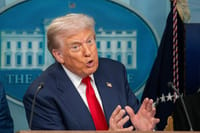
The peak of peculiarity came on January 15, when Graham contradicted Trump himself. While the president claimed Iran's executions of protesters had stopped, thanking the regime for heeding his warnings, Graham insisted the killings continued "at an alarming rate," with the "death toll mounting by the hour."
He called for using "any means necessary" to stop the perpetrators, positioning himself as the administration's conscience on Iran.
Graham even criticized reported interventions by Arab allies to de-escalate, warning it could lead to a "dramatic rethinking" of U.S. alliances.
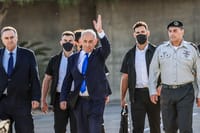
Culminating his week in Israel on January 16, he landed with a dramatic flourish, praying for the end of Iran's "religious Nazi" regime and likening potential change to the fall of the Berlin Wall.
What makes these statements bizarre isn't just their intensity, Graham has long been a foreign policy hawk, but their detachment from reality. For all the talk of "decisive action" and "bigger" strikes, the U.S. has done precisely nothing. Trump, whom Graham idolizes as "Reagan Plus," has instead delayed potential military operations at the urging of allies, including reportedly Israeli Prime Minister Benjamin Netanyahu, and publicly thanked Tehran for pausing executions.
U.S. forces are deploying to the region as a show of strength, but no bombs have fallen, no regime leaders have been targeted, and the ayatollah's grip, while strained by protests, remains intact.This gap between rhetoric and action smacks of political theater. Graham's statements, amplified on X and in media appearances, rally the Republican base and burnish his image as a steadfast ally to Israel and foe of Iran. But they risk inflating expectations among Iranian protesters, who continue to face brutal crackdowns, and could erode U.S. credibility if the bluster leads nowhere.
From an Israeli perspective, Graham's visit and pro-Israel framing are welcome, but his over-the-top analogies, equating Iran's fall to millennial shifts or Cold War triumphs, feel more like wishful thinking than strategic insight.
As we enter another possibly tumultuous week, Graham's Iran soliloquy serves as a cautionary tale: Words without deeds are just noise. If Trump truly is "Reagan Plus," perhaps it's time for action or an admission that the hype was premature. Otherwise, the senator's bizarre barrage will be remembered not as prophetic, but as a footnote in unfulfilled foreign policy drama.