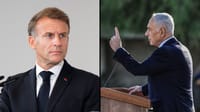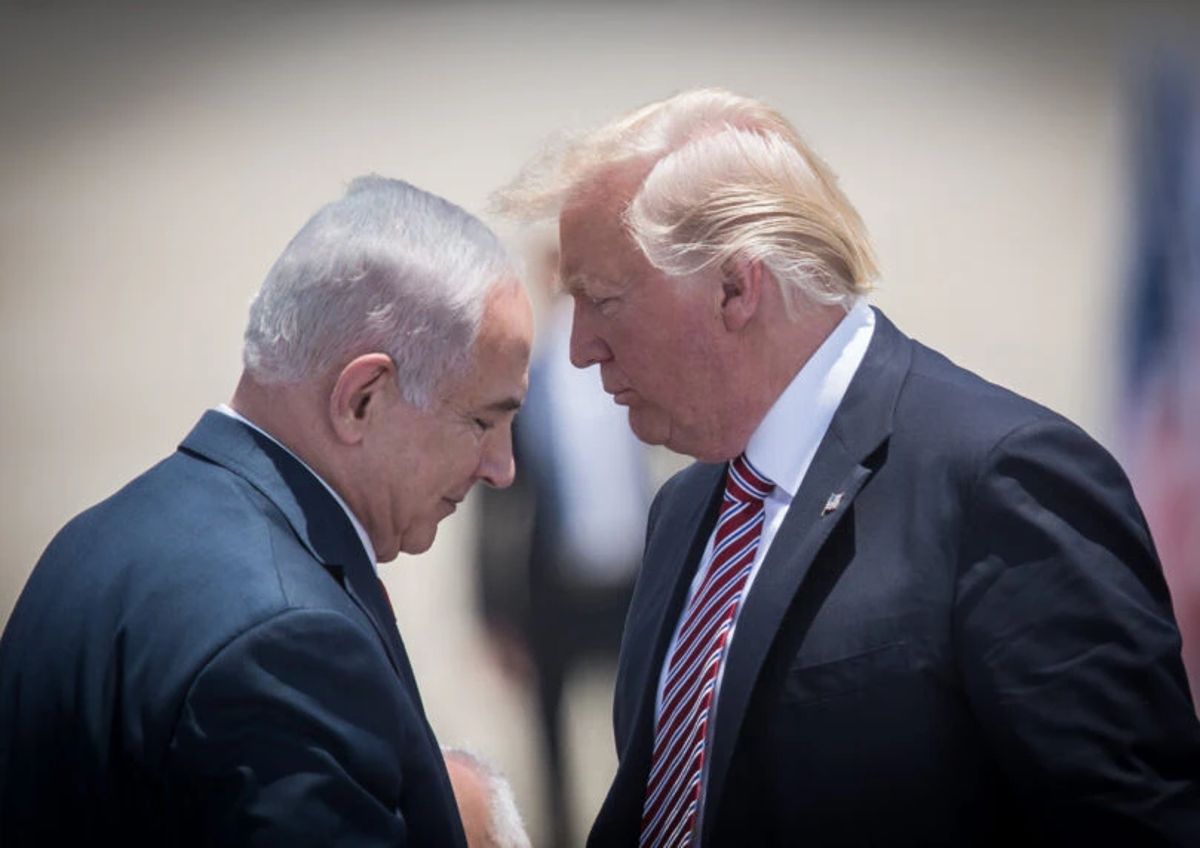
The war that has transformed the Middle East began with a high-stakes telephone conversation on February 23rd between Prime Minister Benjamin Netanyahu and President Donald Trump. Speaking from a secure line in the White House Situation Room, Netanyahu provided the President with a game-changing piece of intelligence: the Supreme Leader of Iran, Ali Khamenei, and his entire senior military command were scheduled to gather at a single location in Tehran on the following Saturday morning. This window of opportunity became the catalyst for the joint American-Israeli military campaign that was launched just five days ago. While Trump had been weighing the options for months, the chance to decapitate the Iranian regime's leadership in one surgical strike was an opportunity he and Netanyahu were unwilling to miss, shifting the strategy from cautious diplomacy to a full-scale offensive.
The Decision-Making Process
The road to war involved intense coordination between Jerusalem and Washington, with officials revealing that Trump and Netanyahu spoke at least 15 times in the two months leading up to the strike. Interestingly, Israeli sources suggest that Trump was actually pushing for an earlier attack in January, but Netanyahu requested a delay to ensure all intelligence and operational components were perfectly aligned. The February 23rd call accelerated everything. Following the call, Trump ordered the CIA to verify the Israeli military intelligence. By Thursday, when the CIA confirmed that "all these people would indeed be together," the President was convinced. Despite being focused on his State of the Union address earlier that week, Trump shifted his focus entirely to the mission after his advisors confirmed that a diplomatic deal was impossible.
The Failure of Diplomacy
While the military planning was underway, Trump’s envoys, Jared Kushner and Steve Witkoff, were in Geneva attempting one last round of negotiations with the Iranians. Their report back to the President was the final nail in the coffin for diplomacy. "If you decide you want to go for diplomacy, we will push and fight to get a deal, but these people have shown us they are not ready for an agreement you would be satisfied with," Kushner reportedly told Trump. With the diplomatic track officially dead and the intelligence confirmed, Trump gave the final execution order at 3:38 p.m. Eastern Time on Friday. Eleven hours later, the first bombs fell on Tehran, beginning what Secretary of State Marco Rubio called a move for "maximum success" against the Iranian threat.
Why the Timeline Accelerated
A significant factor in the rapid timing was the safety of Iranian opposition figures. Israeli officials reportedly informed Trump that they were protecting leaders like Reza Pahlavi in safe houses, but that the regime was on the verge of discovering and killing them. Netanyahu argued that they had to act immediately to save these potential future leaders and to capitalize on the rare gathering of the regime's current leadership. This urgency explains why the administration did not spend weeks building a public case for war, instead choosing to seize the "unique opportunity" presented by the Saturday morning meeting. As the war enters its second week, the coordination between the two leaders remains the backbone of the campaign to dismantle the Iranian axis once and for all.