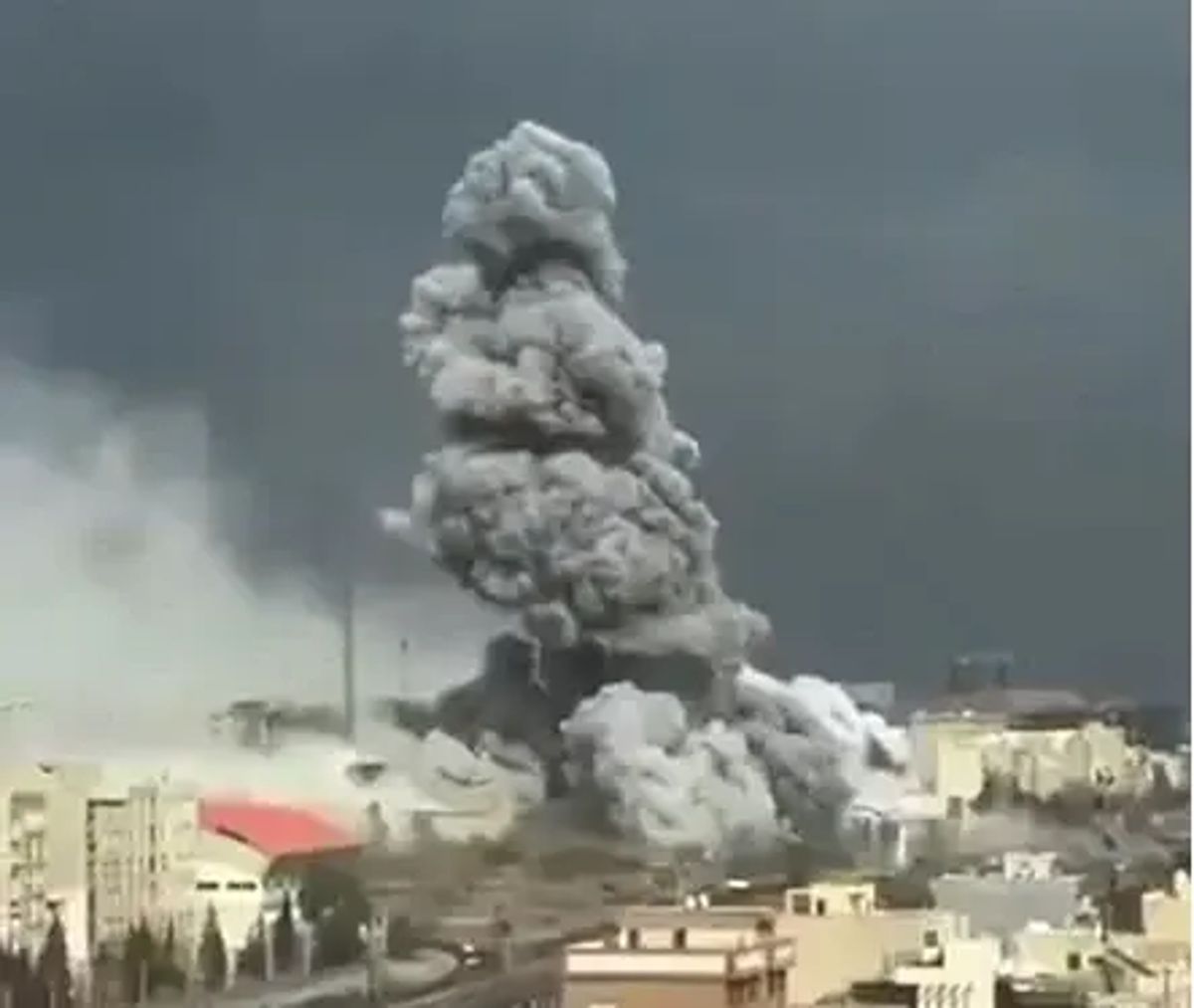
A senior Israeli military official issued a cautionary assessment of the ongoing war this Tuesday, warning that despite the devastating blows dealt to the Iranian regime, the country’s military infrastructure shows no immediate signs of total collapse. Speaking in a closed forum, the official emphasized that the Iranian leadership had prepared extensively for this scenario, establishing alternative command structures and backup leadership at every level to counter the ongoing campaign of targeted liquidations. While the regime’s military performance is currently rated as "medium to weak," the official noted that they are learning from previous operations and making necessary adjustments to improve their survival. However, the briefing also highlighted two massive strategic blunders by Tehran, specifically their decision to attack the "soft underbelly" of the Gulf states, which has unified the region against them in an unprecedented way.
Resilience and Backup Leadership
According to the high ranking source, the Iranian military system is currently in a state of "resetting" as it attempts to maintain functionality under the weight of constant air strikes. The regime reportedly learned significant lessons from earlier engagements and has implemented a decentralized command structure. "The Iranians have prepared with alternative leadership in the face of targeted liquidations at all levels," the official stated. While there is visible confusion and immense difficulty within their ranks, the official clarified that "there are no signs of collapse." The military continues to function, albeit at a reduced capacity, focusing on survival and adaptation rather than a full scale counteroffensive.
The "Wide Stance" Blunder
The briefing identified two critical errors that have crippled the Iranian war effort. The first was the regime's failure to navigate negotiations with the United States effectively, but the second, and perhaps more damaging, was what the official called their "wide stance" operational strategy. In an attempt to project power, Iran chose to strike a massive array of targets across the region simultaneously. These targets included major economic symbols, gas and oil sites like Aramco in Saudi Arabia, and civilian infrastructure such as hotels in the United Arab Emirates during the peak of the tourism season. They even targeted international airports and American embassies, while declaring the closure of the Strait of Hormuz.
A Unified Regional Front
This aggressive overreach has backfired on Tehran. By attacking the economic lifeblood and civilian safety of its neighbors, Iran has inadvertently unified the Gulf states against a single common enemy. The official explained that this "operational sprawl" makes it difficult for Iran to concentrate its efforts on launching effective strikes against Israel because they have picked too many fights at once. "This created a big problem for them," the official noted, as the Gulf nations are no longer staying neutral but are actively aligning with the coalition to end the Iranian threat. While the regime remains a dangerous and adaptive foe, its own strategic mistakes have ensured that it faces a wall of resistance stretching from the Mediterranean to the Persian Gulf.