Get our mobile app
Download on the App StoreGet it on Google Play

Defense Innovation

UAE Produces $5,000 Drone Interceptors

American defense firm Phauros has launched manufacturing of Guardian air defense systems in the Emirates, designed to counter Shahed attack drones at a fraction of traditional missile costs

UAE Begins Producing Low-Cost Interceptors to Counter Iranian Drones

As Iran continues to deploy its one-way attack drones, particularly the Shahed drones, as a central component of its military arsenal, Gulf states are seeking ways to counter the threat without expending expensive interceptor missiles on each cheap drone.

The United Arab Emirates has now launched a significant response: an American company called Phauros has begun manufacturing the Guardian air defense system on Emirati soil, specifically designed to shoot down Shahed-type attack drones. The facility became operational in July and currently produces approximately 30 interceptors per day, with plans to scale up to around 100 daily.

The most striking figure is the price tag. According to reports, each interceptor costs roughly $5,000, exceptionally low compared to traditional interception systems.

The logic is straightforward: if an adversary can launch waves of inexpensive drones, defenses must be capable of downing them in large quantities without rapidly depleting stockpiles of costly missiles.
Low-cost interceptors

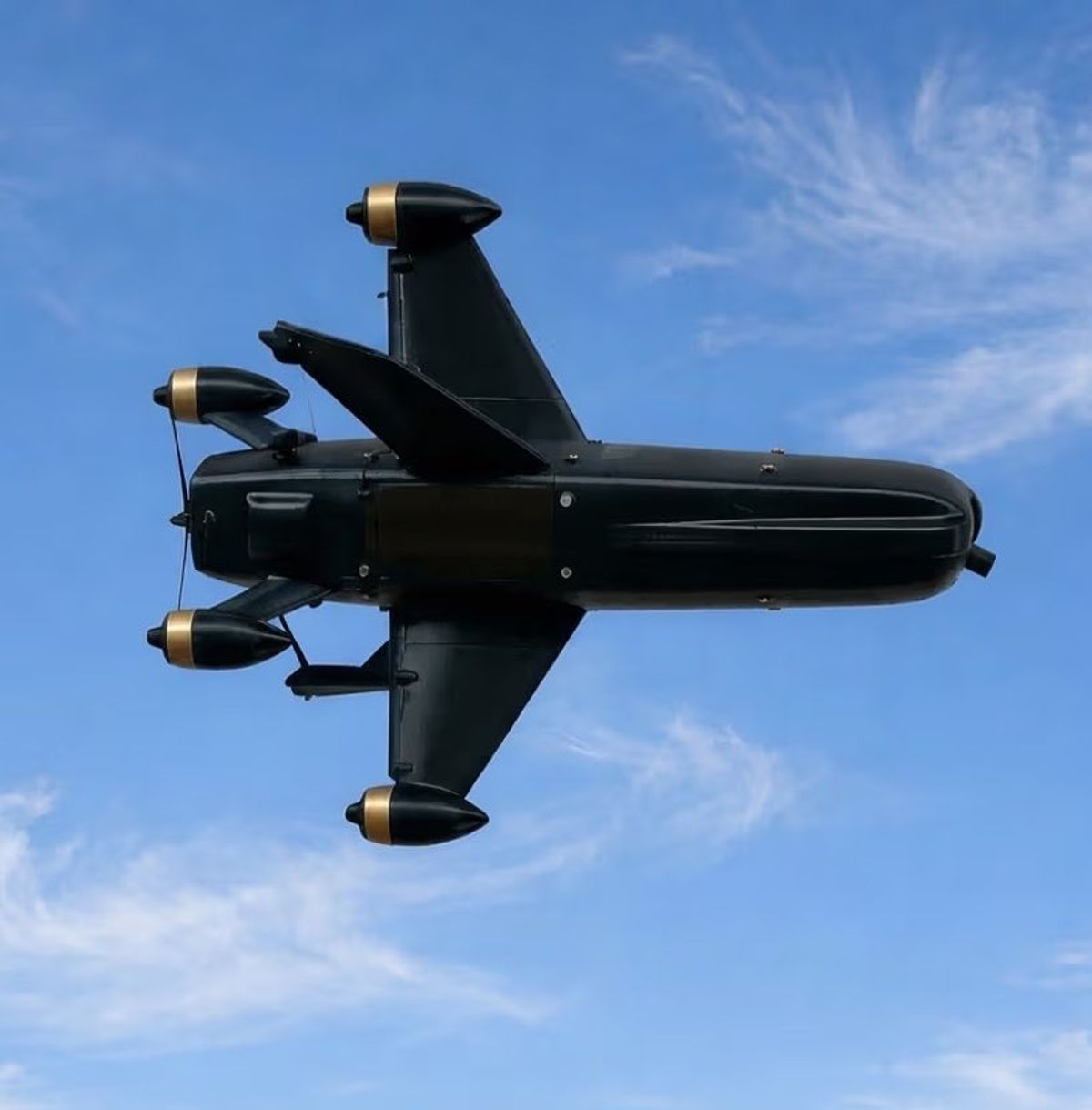
The interceptor is small and lightweight, engineered to reach its target quickly and destroy it mid-air. According to the manufacturer's specifications, the initial version can achieve speeds up to approximately 340 kilometers per hour, with a cruising speed of around 160 km/h and a maximum range of about 15 kilometers. Weighing roughly 2.65 kilograms with battery, it can operate at altitudes up to 5,000 meters.

The system is also designed for relatively rapid deployment. It can receive guidance from radar, with operators launching the interceptor toward the zone where a threat has been detected, then using onboard cameras in the final stage to close in on the drone and intercept it. For more advanced models, the company is developing semi-autonomous capabilities and even "fire-and-forget" functionality.

The Emirates has chosen to manufacture the interceptors close to the threat zone. According to the company, local production should shorten delivery times and make the procurement process more flexible, rather than relying solely on shipments of systems manufactured in the United States.

The move reflects a broader shift in air defense strategy: an inexpensive drone can force a nation to invest millions to shoot it down, meaning the next battle may not be about who possesses the most powerful weapons, but rather who can produce them in the greatest quantities at the lowest cost.

Ready for more?

Join our newsletter to receive updates on new articles and exclusive content.

We respect your privacy and will never share your information.

Enjoyed this article?

Yes (25)
No (1)
Follow Us:

Unmissable content


Loading comments...

Also of Interest