The UN Security Council on Monday adopted a wide-ranging, US-drafted resolution outlining the future governance and security arrangements for Gaza, marking the most significant international intervention in the territory since the terrorist massacre of October 7, 2023. The resolution passed with a 13-0 vote, with Russia and China choosing to abstain rather than veto, allowing the American plan to move forward.
US Ambassador to the United Nations, Mike Waltz, framed the vote as a pivotal moment, stating immediately before the vote: "We stand at a crossroads. Today, we have the power to douse the flames and light a path to peace."
Key Components of the Resolution
The resolution, which endorses US President Donald Trump’s 20-point plan for Gaza, formally authorizes several major initiatives:
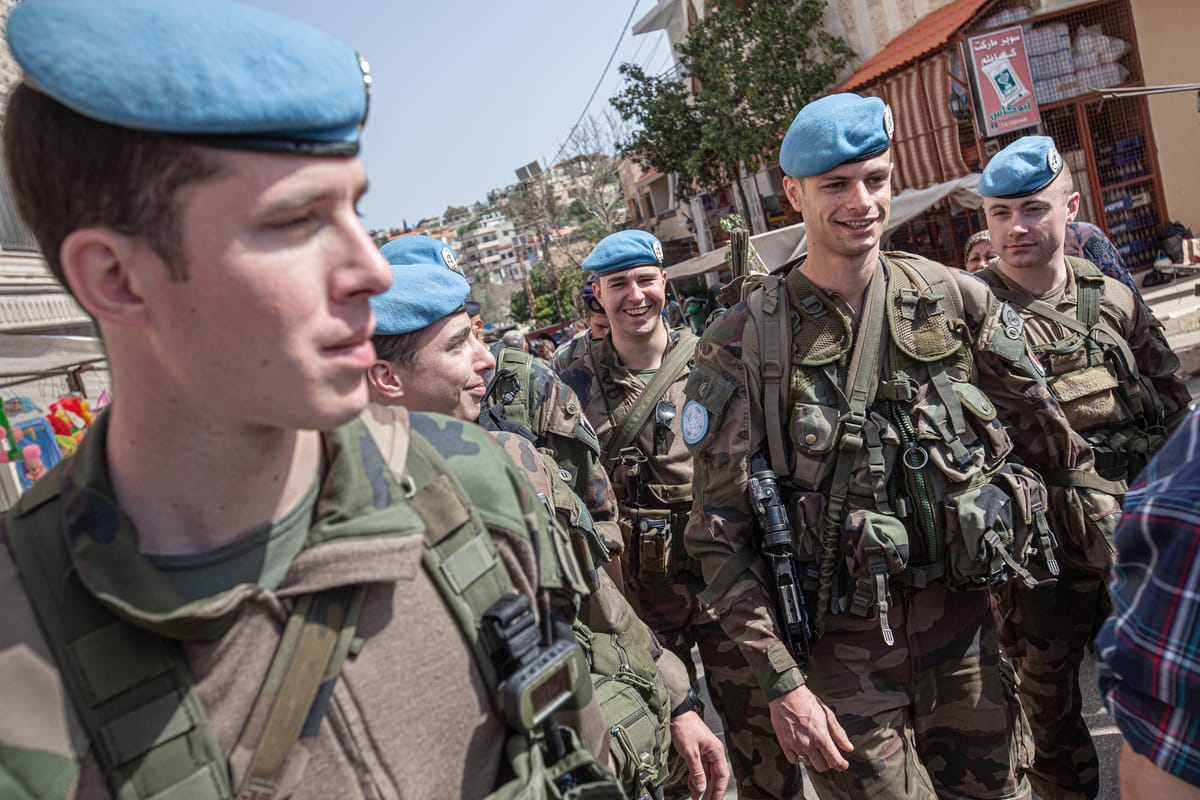
- International Stabilization Force (ISF): The measure clears the path for the creation of an ISF, which is to be organized and implemented by the United States and partner nations. The ISF is intended to play a central role in stabilizing the region and disarming the Hamas terrorist organization.
- Transitional Governance: It establishes a "Board of Peace," a transitional governing authority that President Trump will lead, aimed at supporting reconstruction and managing governance until a reformed Palestinian executive committee can take over.
- Israeli Withdrawal: The plan sets parameters for an Israeli withdrawal from Gaza, while also permitting Israeli forces to remain in limited, defined areas to prevent renewed terrorist activity.
Israeli Ambassador Danny Danon endorsed the focus on disarmament, stating, "The demilitarization of Hamas is a basic condition of the peace agreement. There will be no future in Gaza as long as Hamas possesses weapons." However, questions remain regarding the responsibility for forcibly disarming Hamas should the terrorist group refuse to comply.
International Support and Political Disagreements
Waltz strongly emphasized the broad international coalition backing the plan, noting that a vast majority of regional stakeholders supported the measure. "If the region most affected, the Arab nations, the Muslim-majority nations, the Palestinians and the Israelis, can accept this resolution, how could anyone be against it?" he asked the council. Endorsements reportedly came from over a dozen European heads of state, Palestinian Authority President Mahmoud Abbas, and a coalition of Arab states aligned with Trump.
Despite this support, the resolution was not without controversy:
- Pathway to Statehood: The final US version of the text includes language asserting that "conditions may finally be in place for a credible pathway to Palestinian self-determination and statehood," but only after the Palestinian Authority enacts reforms and significant progress is made on reconstruction. Israeli officials strongly objected to this statehood language.
- Russian Concern: Russia expressed deep concern that the resolution effectively places Gaza under US direction, having circulated an alternative proposal that would have transferred responsibility to UN leadership. Their eventual abstention, along with China’s, allowed the US measure to pass.
Hamas Condemnation
The Hamas terrorist organization quickly and unequivocally rejected the resolution, condemning it for imposing what it called an "international guardianship mechanism" over Gaza.
Hamas stated that such oversight mechanisms are unacceptable and insisted that "Resistance to occupation by all means is a legitimate right" and that the "weapons of resistance are tied to the existence of the occupation." Hamas spokesman Hazem Qassem said the resolution does not serve the goal of stability because it grants "guardianship to non-Palestinian entities over the Palestinian reality" without waiting for internal Palestinian arrangement.
Waltz previously highlighted the critical choice facing the region: Hamas control or a prolonged Israeli military presence, arguing that the latter would jeopardize the expansion of the Abraham Accords, which he called the current administration's "number one objective." The successful implementation of the ISF and the effective disarmament of Hamas will determine whether this UN action is a true diplomatic breakthrough or the start of a protracted struggle.