In a series of notable developments over the past few hours, the United States has ramped up its intelligence and reconnaissance deployments in the Central Command (CENTCOM) area of responsibility, signaling a potential escalation in monitoring activities amid ongoing security concerns in the Middle East.
These movements include the repositioning of advanced reconnaissance aircraft, echoing patterns observed prior to significant U.S. operations in the region.
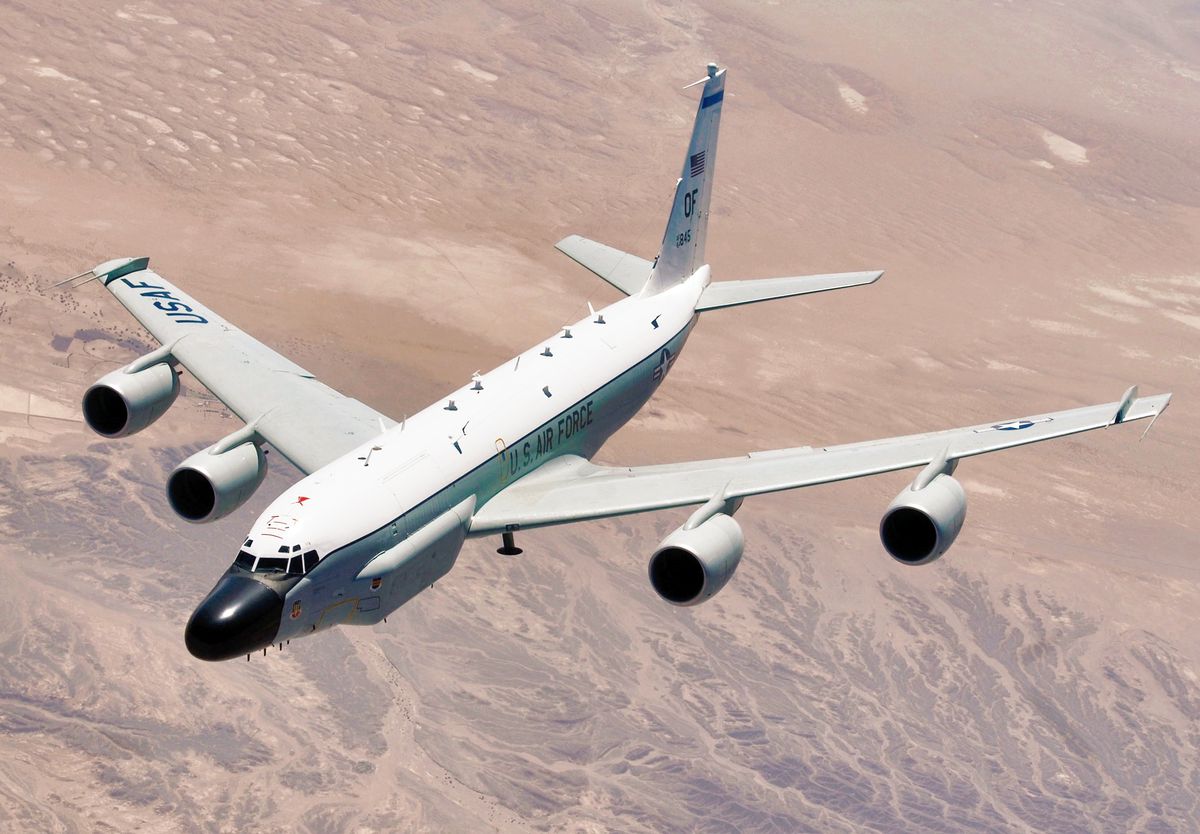
The RC-135W Rivet Joint, a signals intelligence (SIGINT) aircraft operated by the U.S. Air Force, is en route to the Middle East for the first time in several months. This platform, known for its role in electronic surveillance and intelligence gathering, was previously utilized for extended operations over Iran in the lead-up to U.S. strikes in June 2025. The RC-135W is equipped with sophisticated sensors to intercept communications, radar emissions, and other electronic signals, providing real-time data to commanders. The RC-135V Rivet Joint has departed from the Continental United States (CONUS) toward CENTCOM.
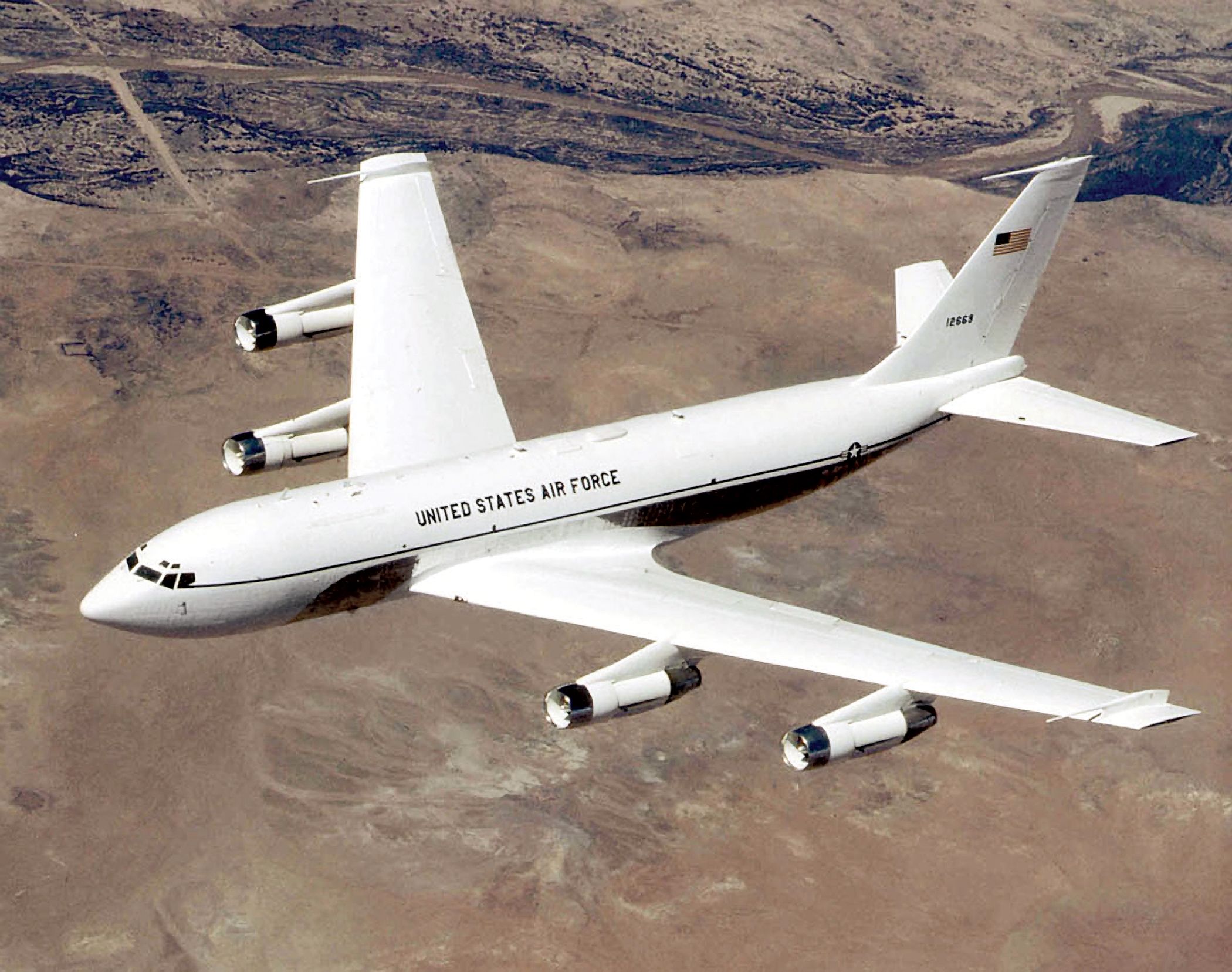
Complementing these movements, a TC-135W Stratolifter—a semi-SIGINT training aircraft and one of only three such trainers in U.S. Air Force service—has arrived at Al Udeid Air Base in Qatar.
The aircraft departed from RAF Mildenhall in the United Kingdom after originating from Offutt Air Force Base in Nebraska, and is believed to be transporting personnel or supporting training missions.
Notably, this same TC-135 was deployed to CENTCOM ahead of Operation Midnight Hammer, highlighting a pattern in U.S. force posture during periods of elevated tension.