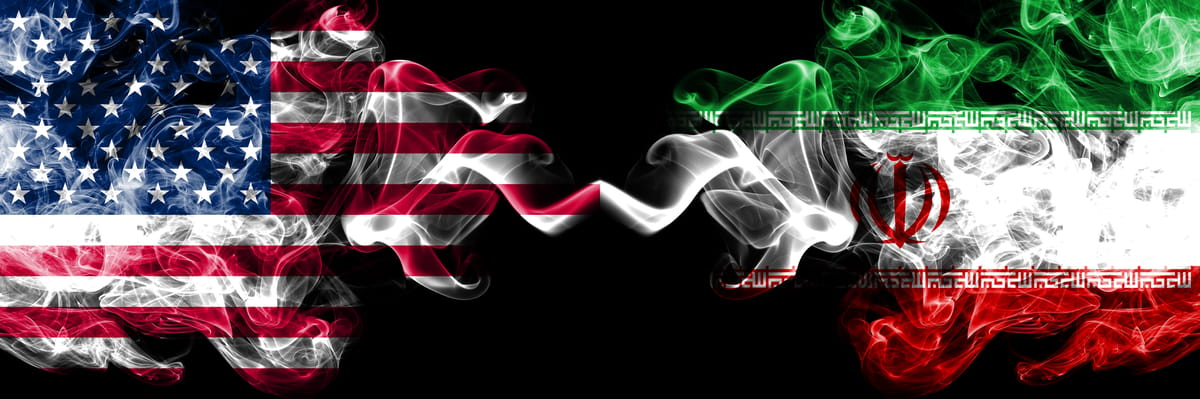
In a bid to de-escalate mounting tensions and prevent potential military intervention, the United States has reportedly presented Iran with a set of rigorous demands focused on its nuclear program, missile capabilities, and regional influence.
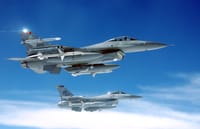
These conditions, delivered through diplomatic channels, come as U.S. forces conduct exercises in the Middle East and amid ongoing protests in Iran, where the regime has faced international criticism for its response.
The Trump administration's prerequisites for avoiding strikes echo long-standing concerns over Iran's activities, but they have been framed as non-negotiable in recent reports.
Sources indicate that meeting these demands could open the door to negotiations, potentially leading to sanctions relief, though Iranian officials have warned of "dire consequences" if attacked.
The U.S. has bolstered its military presence, including a carrier strike group nearing Iranian waters, heightening the risk of conflict.
Key U.S. demands include:
Complete dismantlement or total ban on uranium enrichment on Iranian soil: This stipulates zero domestic enrichment allowed, effectively requiring Iran to abandon its independent nuclear fuel cycle.
Total removal or at least significant reduction of Iran’s enriched uranium stockpile: This targets highly enriched uranium, such as material at 60% purity levels, with calls for handover or export of stockpiles estimated at over 400 kilograms.
Limits on Iran’s ballistic missile program: Proposed restrictions include range caps at 300–500 km and curbs on production, aiming to neutralize threats to regional allies.
Ending support for regional proxy groups: Iran must halt funding, arming, and backing for militias and allies such as Hezbollah, Hamas, the Houthis, and others, severing ties that have fueled conflicts across the Middle East.
Analysts describe these terms as "maximalist," potentially designed to force Iran's hand or justify escalation if unmet. Iranian President Masoud Pezeshkian has dismissed U.S. threats as destabilizing, while Gulf allies like Saudi Arabia and the UAE have urged restraint, refusing to support strikes from their territory. The U.S. Treasury has meanwhile imposed new sanctions on Iran's shadow fleet, intensifying economic pressure.
Experts warn that failure to comply could lead to targeted strikes on nuclear or military sites, similar to past operations like "Midnight Hammer" in 2025. The situation remains fluid, with no immediate response from Tehran confirming acceptance or rejection of the demands.