The United States has agreed to release $3 billion in frozen assets to Iran, according to a report Wednesday by the Saudi broadcaster Al Arabiya, signaling a major development in indirect diplomatic maneuvering between Washington and Tehran.
The agreement was reportedly finalized through Qatari mediators, as Iranian officials continue to refuse direct talks with the United States. According to the Saudi report, Iran secured the release of the funds by leveraging an ultimatum, threatening to halt all diplomatic progress unless the money was unfrozen immediately.
The funds are expected to be drawn from assets held in Qatar, where $6 billion in Iranian property is currently stored.
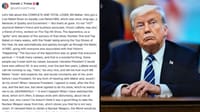
While President Trump had previously indicated that frozen funds would be restricted, the report suggests the $3 billion will be transferred directly to Iran without U.S. oversight mechanisms designed to limit spending to humanitarian aid. Observers note the direct injection of capital could allow Tehran to fund regional proxy networks and rebuild its military capabilities, which have been heavily degraded by recent conflicts.
The transfer represents nearly double the amount of cash released by the Obama administration in 2015 under the Joint Comprehensive Plan of Action (JCPOA). However, unlike the 2015 agreement, which followed explicit nuclear commitments from Tehran, the current release comes without any Iranian nuclear concessions and before formal talks have officially commenced.
"We will be able to use this money for any purpose we deem necessary, and in any currency we choose," an official Iranian source said Tuesday, according to the report.
At the same time, indirect negotiations are reportedly underway regarding the Strait of Hormuz, where Iran maintains de facto control.
Delegations are reviewing an Omani proposal that would establish a joint Iranian-Omani framework to levy transit fees on maritime vessels navigating the strait. The delegations are expected to return to their respective capitals to deliberate the proposal, which would impose financial charges on transit through international waters, a measure that contradicts international maritime law.