The United States and Israel are in advanced preparations for a potential resumption of military strikes against Iran within days, according to people familiar with the planning, as a month-long ceasefire shows signs of collapse and diplomatic talks stall in Islamabad.
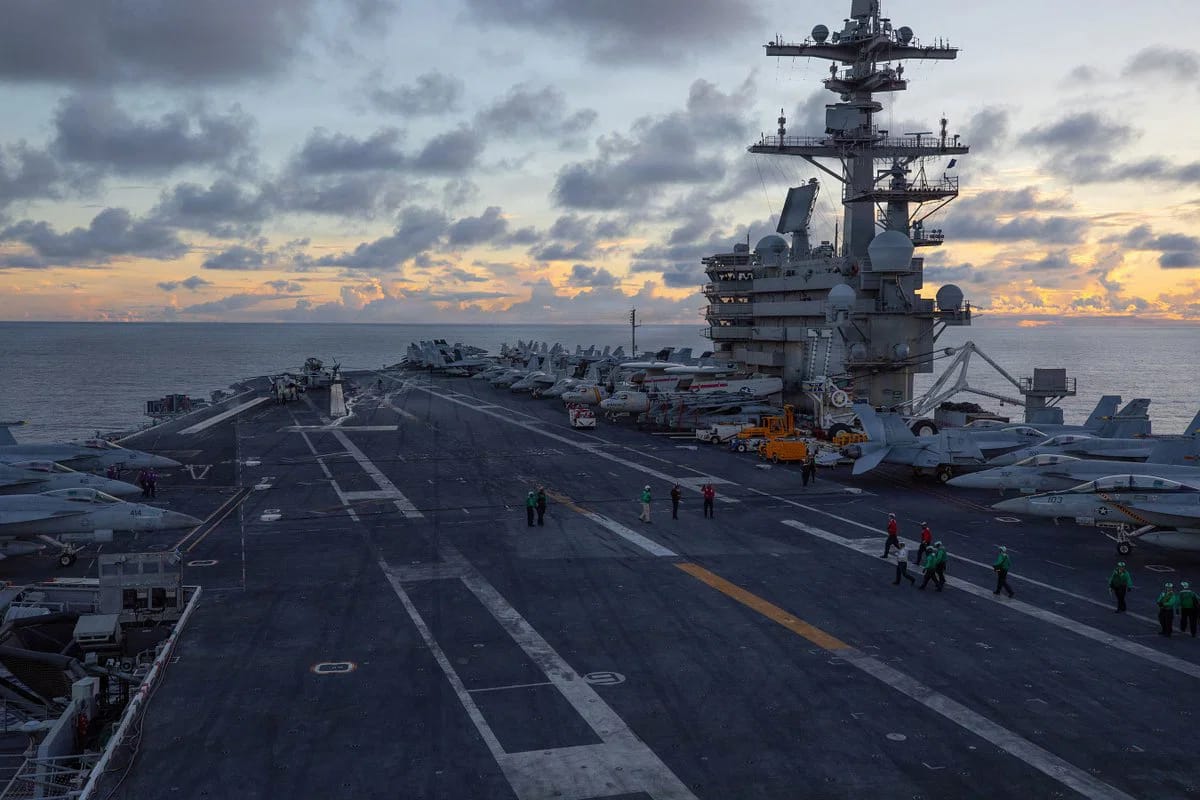
The Pentagon has finalized a range of operational plans, code-named Operation Epic Fury, that go well beyond the initial round of fighting. More than 50,000 U.S. troops remain deployed across the region, supported by two aircraft carrier strike groups, dozens of fighter jets, and more than a dozen destroyers on high alert.
The accelerated planning comes after U.S. intelligence assessments concluded Iran used the operational pause to substantially restore its military infrastructure, including 30 of 33 missile sites along the Strait of Hormuz, directly threatening oil tanker traffic through one of the world's most critical waterways.
"The ceasefire is on massive life support."
— President Donald Trump, speaking to reporters Monday
New options on the table
The revised operational plans include scenarios not attempted in the first phase of the conflict. Extensive bombing campaigns would target military infrastructure across Iran, while separate plans call for ground action by several hundred special operations forces already forward-deployed to the region. Those commando units could be tasked with neutralizing enriched uranium facilities in Isfahan or seizing control of the Kharg Island oil export terminal, according to people briefed on the deliberations.
U.S. military officials cautioned that any ground component carries what one described as a "high risk of casualties" and would require thousands of additional support troops, a significant escalation from the air-only campaign waged since late February.
Trump rejects Tehran's proposal
President Trump returned to Washington following a visit to Beijing, where he conferred with President Xi Jinping on the Iran situation. Before departing China, he rejected Tehran's latest peace proposal outright. "I looked at it, and if I don't like the first sentence, I just throw it in the trash," he told reporters.
In a Fox News interview, Trump accused Iranian negotiators of repeatedly walking back agreed positions. "We already had boundaries for an agreement — no nukes, they would give us the nuclear dust, everything we wanted," he said. "And every time they make a deal, the next day they say we didn't have this conversation. It happened about five times." He added: "They cannot have nuclear weapons."
Tehran signals readiness
Iranian officials responded with defiance. Mohammad Bagher Ghalibaf, speaker of Iran's parliament, issued a pointed warning following the joint U.S.-Israeli signals. "Our armed forces are ready to give an appropriate response to any aggression," he wrote. "Wrong strategy and wrong decisions always lead to wrong results. We are ready for all options. They will be surprised."
Iran's Foreign Minister Abbas Araghchi separately claimed the country had already prevailed in the conflict, telling state television that Tehran "prevented its enemies from achieving their objectives." Ceasefire negotiations remain deadlocked over the sequencing of nuclear concessions, with Iran pushing to defer those discussions to later stages of any agreement.
Talks mediated by Pakistan are continuing, with Islamabad's interior minister meeting Iranian counterparts in Tehran on Saturday in what officials described as a last-ditch effort to prevent a renewed outbreak of hostilities.