Escalating Iran Tensions

U.S. Carrier and Fighter Jets on the Move As Iran Op Rumors Swirl

Open-source intelligence (OSINT) trackers have confirmed the USS Abraham Lincoln (CVN-72) carrier strike group transiting the Strait of Malacca, while Air Force deployments ferry fighter jets closer to potential flashpoints.

Article image

In a clear signal of heightened U.S. military readiness, the Pentagon is repositioning key naval and air assets toward the Middle East, with movements tied directly to rising concerns over Iran.

USS Abraham Lincoln Heads Westward

Ready for more?

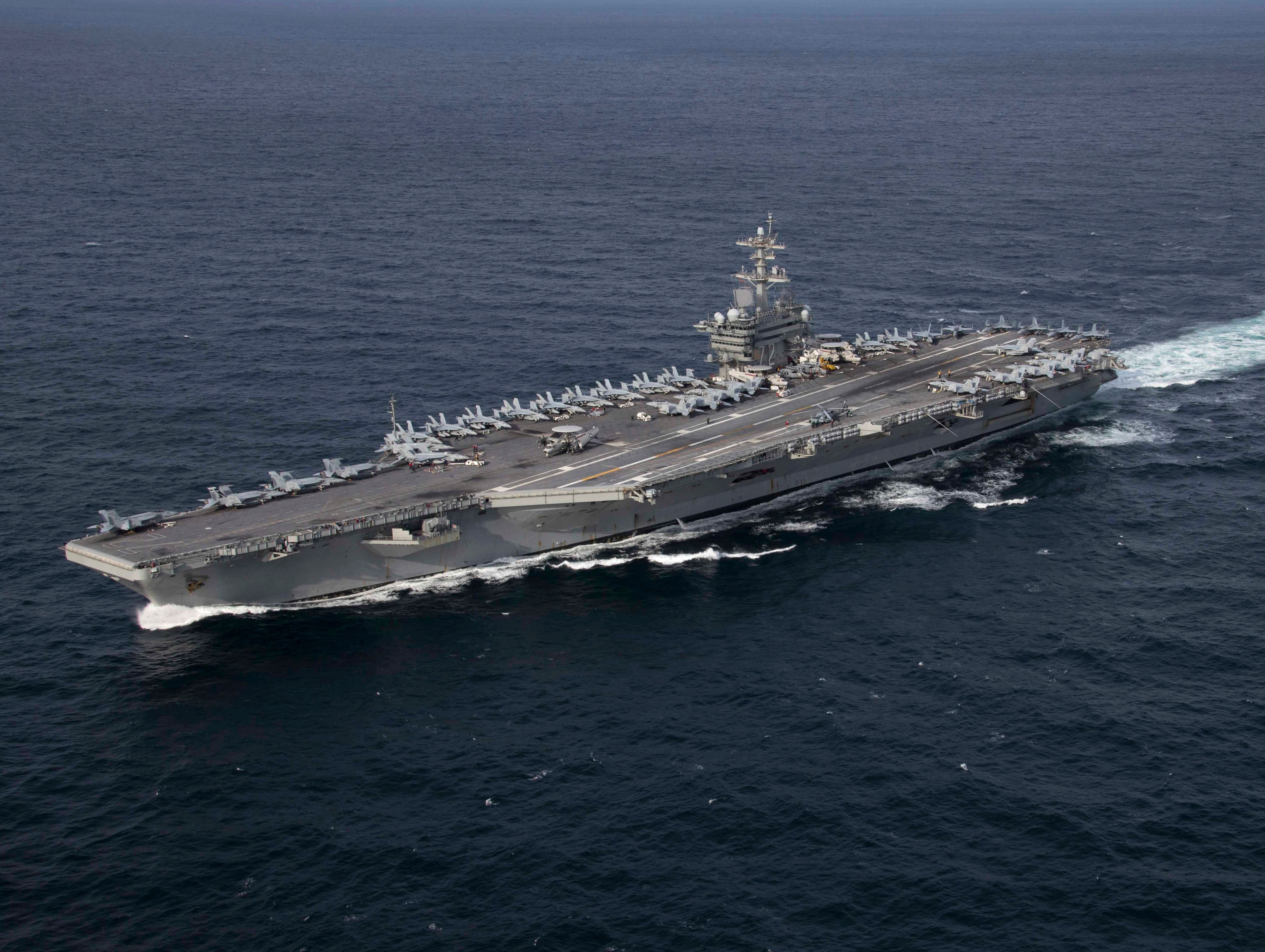
The nuclear-powered aircraft carrier USS Abraham Lincoln was detected with its Automatic Identification System (AIS) active earlier today, as it approached and began transiting the strategically vital Strait of Malacca. This narrow waterway, linking the Pacific and Indian Oceans, positions the carrier for entry into the Bay of Bengal and onward to the broader Indian Ocean region. OSINT reports estimate the Lincoln remains approximately 3-5 days' sailing from the U.S. Central Command (CENTCOM) area of responsibility, which encompasses the Arabian Sea and Persian Gulf.The carrier, homeported in San Diego and recently operating in the Indo-Pacific, was redirected mid-January amid surging tensions with Iran. Carrying a full air wing including F/A-18 Super Hornets, F-35C stealth fighters, and support aircraft, the Lincoln enhances U.S. power projection capabilities.

The U.S. Navy maintains a robust presence in the region, with the USS Theodore Roosevelt (CVN-71) already in the Arabian Sea following its earlier deployment.

USS Abraham Lincoln
USS Abraham Lincoln ( Public Domain, https://commons.wikimedia.org/w/index.php?curid=76348440)

Air Force Tankers and Fighters En Route

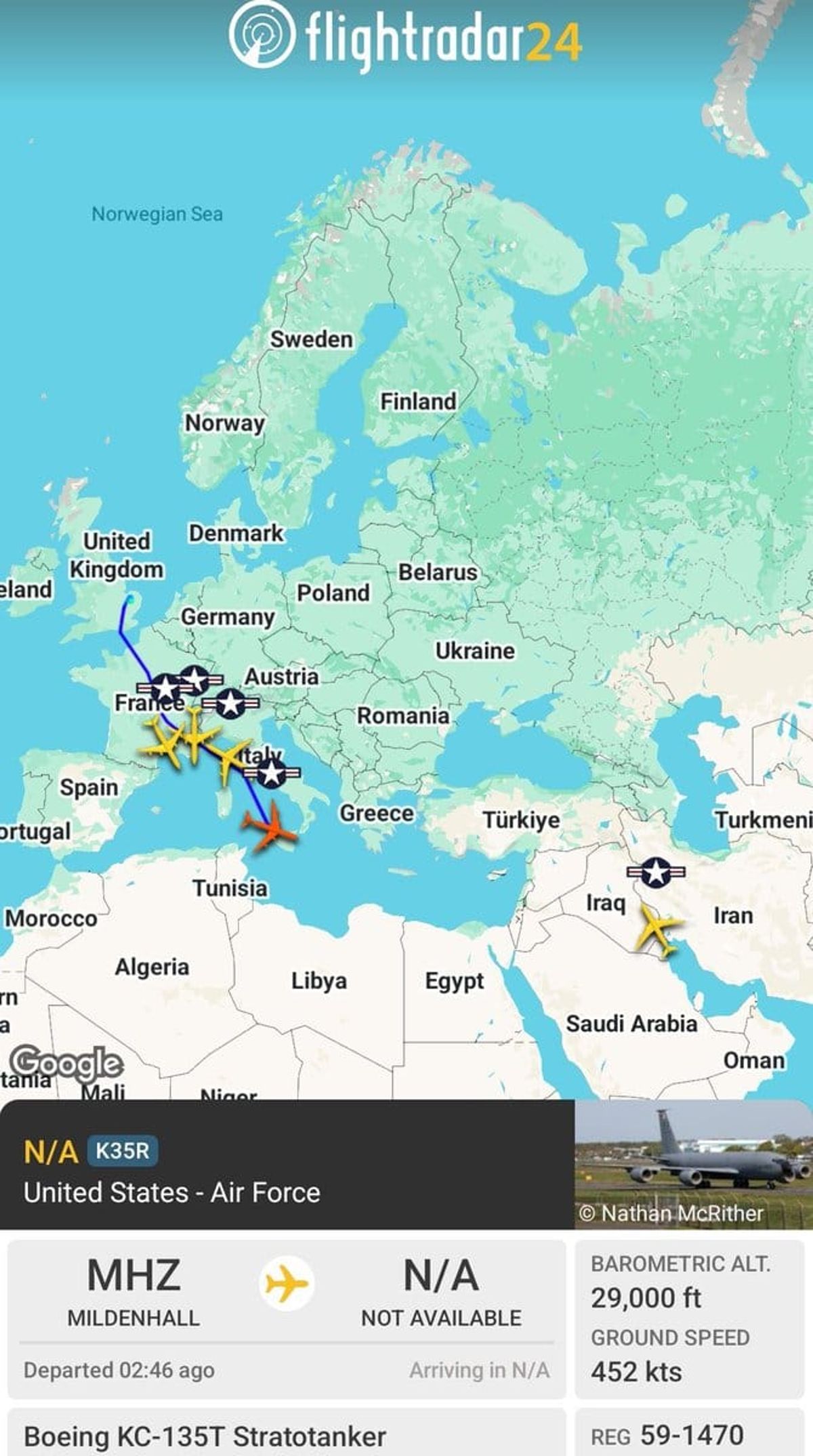
Complementing the naval shift, U.S. Air Force assets are surging forward. Four KC-135R Stratotanker aerial refuelers, tracked under callsigns GOLD11, GOLD12, GOLD21, and GOLD22, departed from the United Kingdom, specifically RAF Mildenhall, to support the ferrying of fast air assets to the Middle East. These tankers enable long-range, non-stop flights for fighter jets, ensuring rapid deployment.

Reports confirm the tankers are escorting approximately 12 F-15 Eagle fighter aircraft from the 48th Fighter Wing at RAF Lakenheath, UK, toward bases in Jordan.

This positioning places the advanced strike fighters within operational striking distance of Iran, Syria, and Iraq, roughly 500-1,000 miles depending on the exact basing. The F-15s, equipped for air superiority and ground attack missions, add significant deterrent value amid ongoing Iranian proxy activities and internal unrest in Tehran.

Strategic Context: Deterrence and Flexibility

Ready for more?

These coordinated movements underscore a deliberate U.S. strategy to signal resolve while maintaining operational flexibility.

The repositioning aligns with directives from CENTCOM to prepare for 24/7 major operational support over the next month, as tensions with Iran reach a boiling point. Protests in Iran, fueled by economic woes and regime crackdowns, have drawn U.S. attention, with President Trump reportedly weighing limited strikes on Iranian nuclear or military sites, though no actions have been confirmed.

U.S. officials have emphasized deterrence, with the deployments aimed at protecting allies like Israel and Gulf states from Iranian aggression. This buildup follows recent escalations, including Iranian missile threats.

No official Pentagon statement has detailed the moves, but OSINT from sources like @MenchOsint and ship-tracking platforms corroborates the activity.

As the region braces for potential developments, these assets provide the U.S. with rapid response options.

Ready for more?

Join our newsletter to receive updates on new articles and exclusive content.

We respect your privacy and will never share your information.

Enjoyed this article?

Yes (151)
No (6)
Follow Us:

Loading comments...