The United States military said Tuesday that no vessels have passed through its newly imposed naval blockade of Iranian ports, with several ships already turning back in the first day of enforcement.
According to US Central Command, six merchant vessels complied with instructions from US forces to reverse course and return toward Iranian ports along the Gulf of Oman. “During the first 24 hours, no ships made it past the US blockade,” the command said in a statement.
The blockade, ordered by President Donald Trump following the collapse of ceasefire talks with Iran, applies to vessels traveling to or from Iranian ports along both the Persian Gulf and the Gulf of Oman.
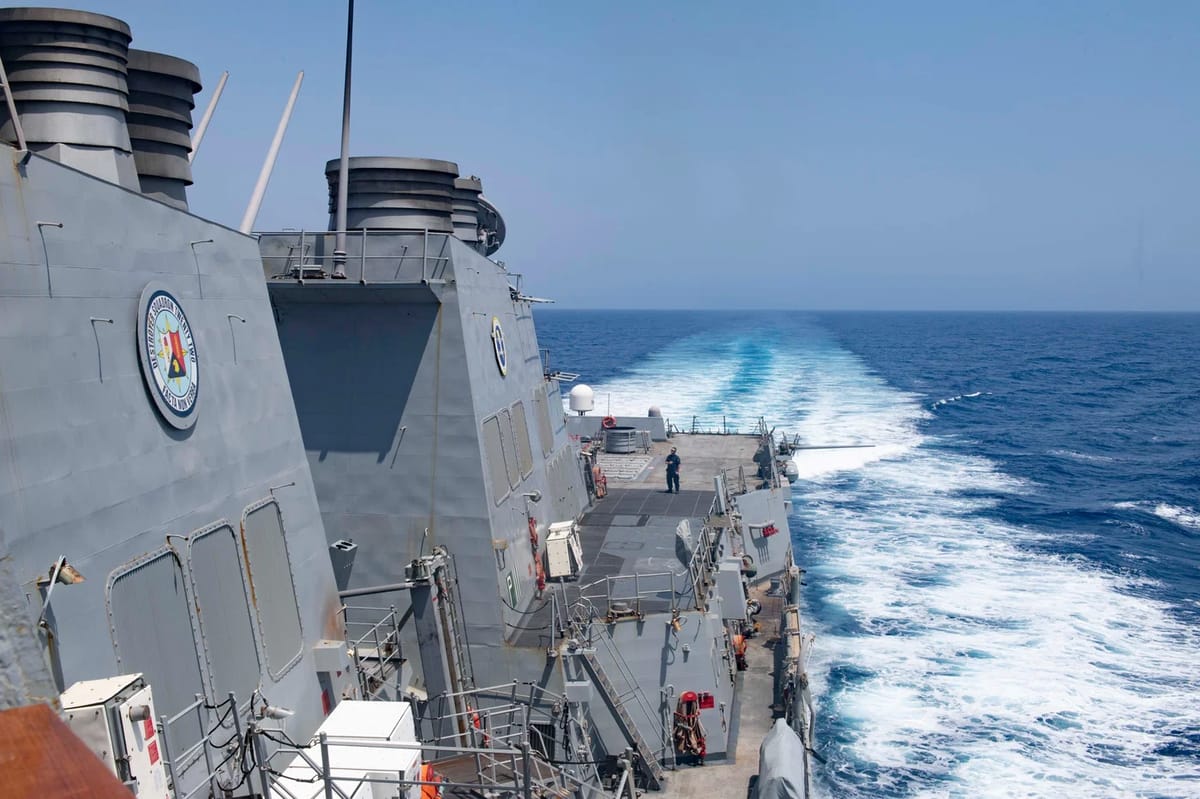
US officials said the operation is being enforced by a large deployment that includes more than 10,000 personnel, over a dozen warships, and multiple aircraft. The military emphasized that the restrictions apply to ships of all nationalities.
In guidance issued to maritime operators, the US warned that any vessel attempting to enter or leave the restricted area without authorization could be intercepted, diverted, or seized. Humanitarian shipments, including food and medical supplies, are permitted but subject to inspection.
The blockade marks a significant escalation in efforts to pressure Iran after negotiations aimed at ending weeks of conflict failed to produce an agreement.
The Strait of Hormuz, which connects the Gulf to global shipping routes, is a critical chokepoint for energy supplies, with roughly 20 percent of the world’s oil and gas shipments passing through it. The disruption has already contributed to rising oil prices and increased uncertainty in global markets.
The situation remains fluid, with questions about how long the blockade can be sustained and how other countries will respond to the restrictions on maritime traffic.