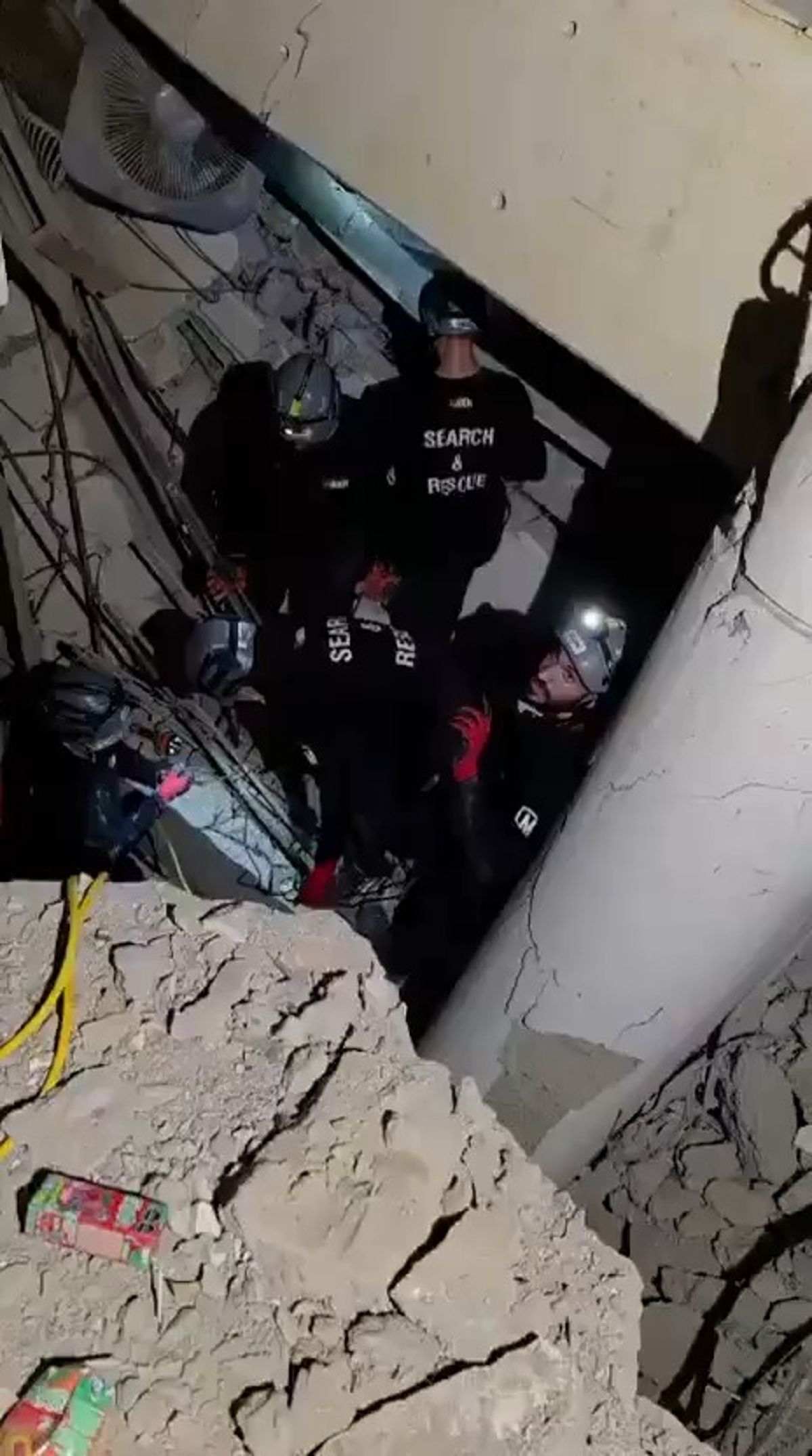
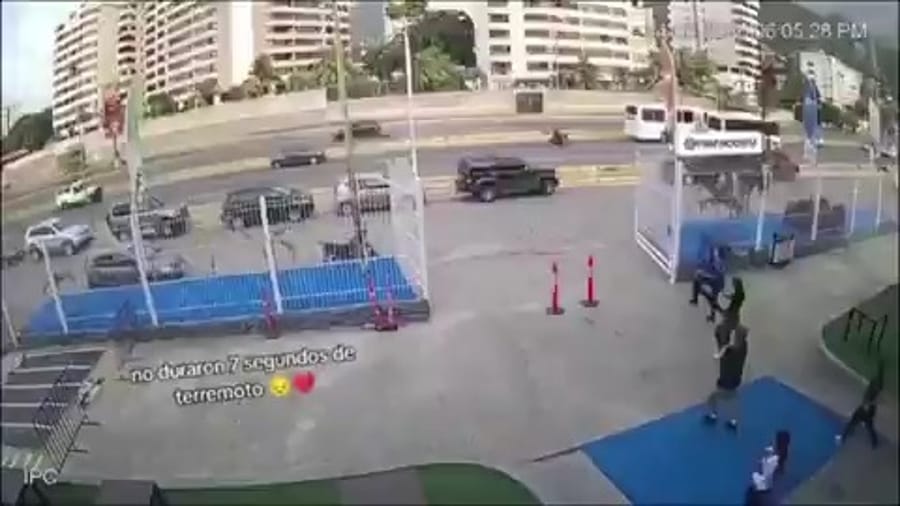
A catastrophic natural disaster has triggered an unprecedented international humanitarian response after a series of high-intensity seismic events completely destabilized a major South American nation. Horrifying video footage circulating across global social media networks documents the sheer scale of the structural collapse, showing massive residential complexes instantly disintegrating into vast fields of rubble. With local medical infrastructure completely overwhelmed and lacking basic emergency tools, foreign specialized detachments are arriving on the scene to assist civilian volunteers in a race against time.
The Republic of Venezuela is struggling to manage the catastrophic aftermath of two massive, consecutive earthquakes that tore through the country, leaving widespread destruction in their wake. The twin seismic events struck in rapid succession, catching millions of residents unprepared as the tremors register staggering magnitudes of 7.2 and 7.5 on the Richter scale. The latest official government tallies confirm that about 1,450 people have been confirmed dead, 3,150 injured, and 12,721 people displaced across the most heavily impacted municipal sectors.
The critical 72-hour window to find survivors trapped beneath fallen concrete structures has officially closed, severely lowering the probability of locating remaining live victims. Despite this grim operational milestone, the successful extraction of survivors, such as a mother and her nine-month-old baby, has offered moments of hope amidst the mounting tragedy. This unexpected miracle prompted President Delcy Rodríguez to announce the continuation of rescue efforts, directing state agencies to maintain a full operational posture despite deteriorating field conditions.
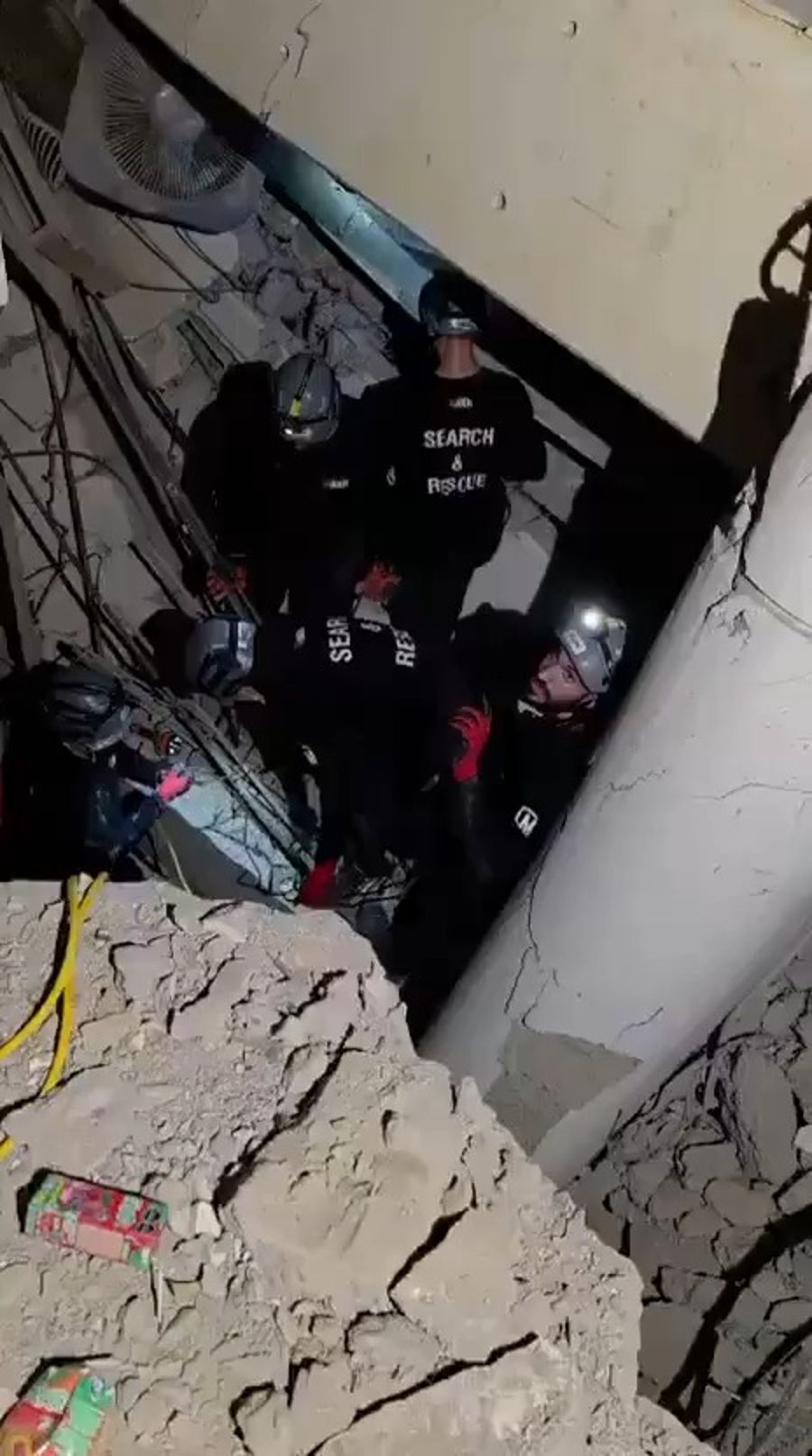
The sheer scale of the structural collapse has completely exhausted domestic emergency reserves, forcing the state to accept immediate external technical interventions. Rescue teams from dozens of countries, including Israel, have raced to the ravaged country to aid in rescue efforts and help treat the wounded, establishing immediate field coordination hubs. These international detachments are working around the clock to compensate for local resource limitations, as Venezuela’s hospitals are under-equipped to deal with a disaster of this magnitude.
A massive tracking operation is currently utilizing specialized animal assets to detect faint signs of life deep within compressed concrete voids. Canine units, including 140 dogs from 21 countries, have been deployed in the rescue efforts to navigate precarious collapse zones that remain inaccessible to heavy mechanical excavators. These highly trained animals can locate survivors under the rubble by sniffing them out, providing precise target coordinates for extraction teams working on the surface.
The recovery environment remains exceptionally hazardous for both victims and rescue workers due to unstable subterranean conditions that threaten further structural failure. Survivors fear more damage, as 430 aftershocks have shaken the country since the initial high-intensity earthquakes fractured local fault lines. These continuous secondary tremors have caused panic in municipal centers, forcing thousands of displaced citizens to camp in open fields rather than return to compromised buildings.
The systemic lack of industrial equipment has forced ordinary citizens to adopt primitive methods to locate family members missing beneath the debris. The undeveloped country was not prepared for a disaster of this scale, leaving local neighborhoods entirely dependent on immediate mutual aid networks. Many rescue workers, ordinary civilians among them who have stepped in to fill the gap, have been digging through the rubble with shovels and even their bare hands, calling out to victims in the usually vain hope of a response.