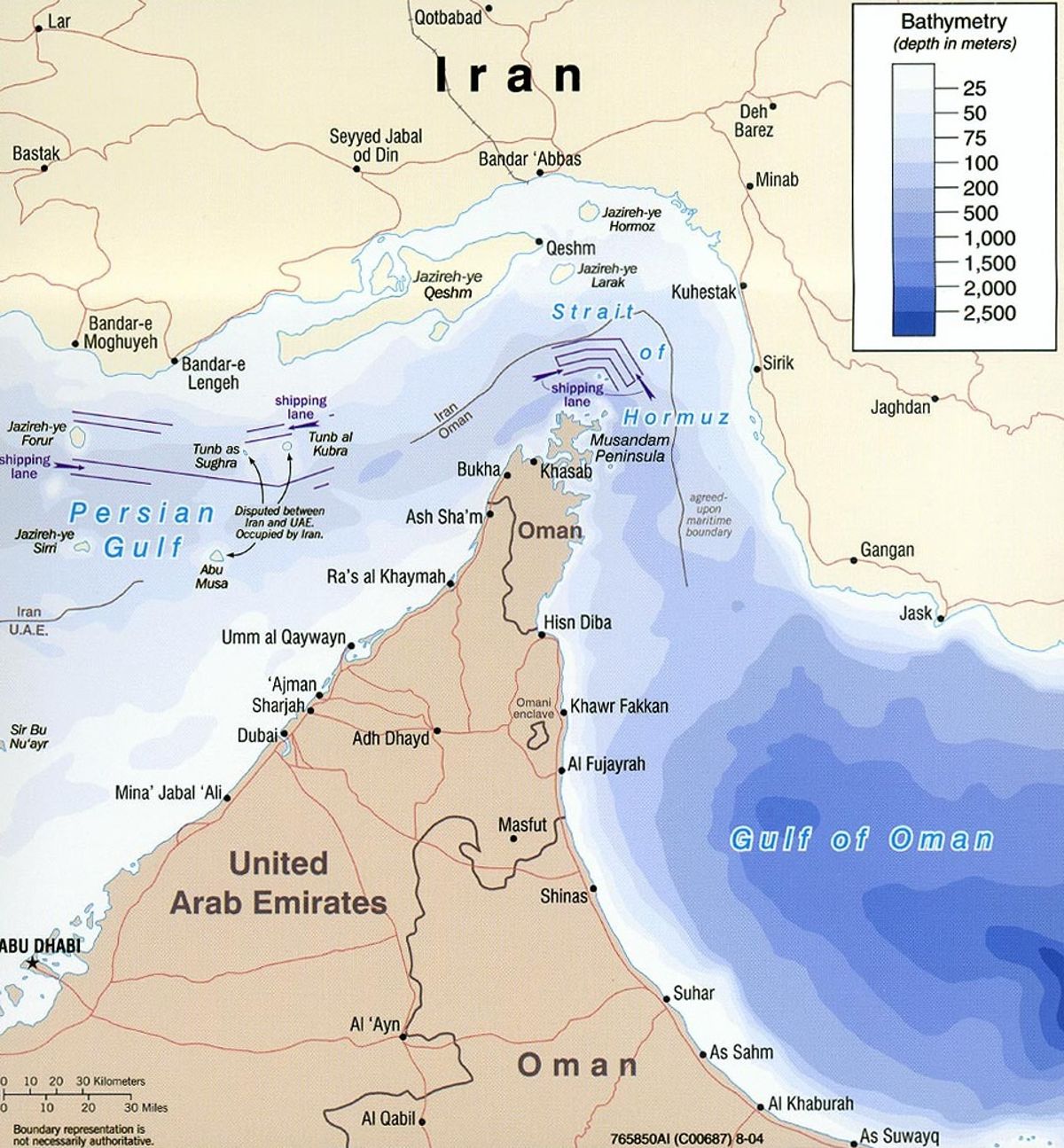
Prime Minister Benjamin Netanyahu has indicated that Israel and its allies are exploring a massive geopolitical infrastructure move aimed at bypassing the Strait of Hormuz, one of the world's most critical and vulnerable maritime choke points.
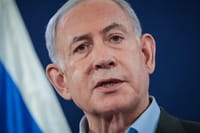
Speaking in an interview with the American network Newsmax late Monday night, Netanyahu addressed the escalating tensions in the Persian Gulf and the strategic future of global energy markets.
"There are ideas for after the war to transfer energy and oil lines from the Gulf to Mediterranean ports," Netanyahu revealed. He emphasized that bypassing the Strait of Hormuz is not only feasible but a pressing global priority, adding that "there is an interest to achieve this and allow the flow of oil and gas with absolute freedom."
The implications of such a land bridge would fundamentally alter Middle Eastern trade dynamics, effectively neutralizing the leverage Iran currently holds over the Strait of Hormuz, through which approximately a fifth of the world's oil consumption passes.
Highlighting the irony of the current conflict, prominent Arab journalist Faisal al-Qassem commented. "It is as if Iran is pushing the world to search for alternatives through Israel," al-Qassem noted, suggesting that Tehran's maritime threats are inadvertently accelerating the integration of Israel into the broader Middle Eastern economic architecture.
US-Led Military Options
While emphasizing long-term infrastructure solutions, the Prime Minister did not dismiss immediate responses.
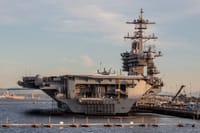
"There are military solutions for opening the Strait of Hormuz led by the United States," Netanyahu stated, "but I will not comment on them."
The proposed energy corridor from the Gulf to the Mediterranean would likely build upon the existing frameworks of the Abraham Accords, further cementing economic and security ties between Israel and the moderate Gulf states in a post-war Middle East.